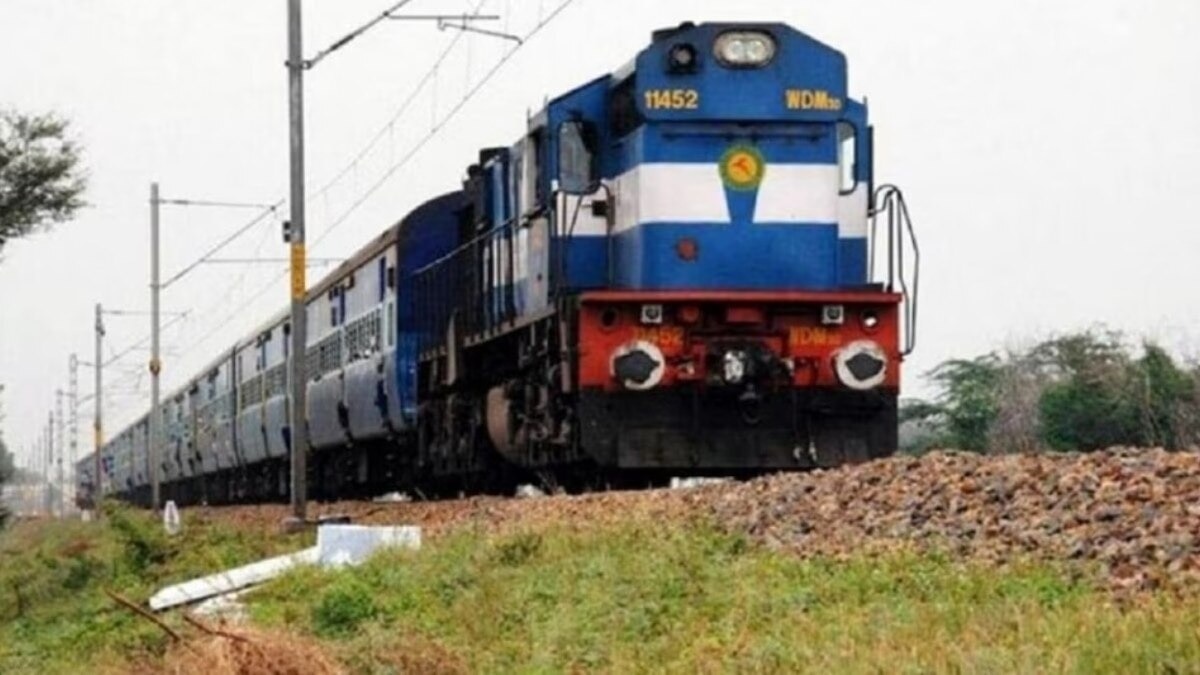
Safety protocols were triggered on the Jamnagar–Tirunelveli Express after a 'hot axle' was detected, forcing passengers to disembark at Aluva station. The affected coach has been detained for technical examination.
Key Takeaways
- A 'hot axle' fault was detected in Train No. 19578, Jamnagar–Tirunelveli Express.
- The axle temperature of the affected coach exceeded the critical 100°C threshold.
- Passengers were evacuated at Aluva station to ensure safety.
- Railway authorities arranged alternative trains and catering for affected passengers.
In a major safety intervention on Sunday, August 2, 2026, passengers of the Jamnagar–Tirunelveli Express (Train No. 19578) were forced to disembark at Aluva station. The decision was taken immediately after a 'hot axle' fault was detected, posing a potential derailment risk.
According to an official railway release, the axle temperature of the specific coach had spiked beyond 100 degrees Celsius. Due to the technical complexity of detaching the coach while in transit, the entire affected coach was detained at the station for a thorough examination to prevent any mishap.
Why This Matters
BozokMedia analysis shows that detecting such thermal anomalies is a critical component of modern railway safety. While the disruption caused significant inconvenience to travelers, the proactive detection of the overheating component likely prevented a catastrophic derailment, highlighting the importance of real-time monitoring systems.
Timely detection of thermal faults in rolling stock is the frontline defense against major railway accidents.
Railway officials at the Divisional Headquarters and staff at Aluva station worked extensively to manage the situation. Passengers were guided toward alternative trains based on their specific destinations. To assist those traveling further south, a special train was organized from Thiruvananthapuram to Tirunelveli. Furthermore, adequate catering arrangements were provided to ensure passenger welfare during the delay.
Historical Background
A 'hot axle' occurs when the friction in the wheel bearings becomes excessive due to lack of lubrication or mechanical failure. Historically, hot axles have been a leading cause of train accidents in many rail networks globally. Modern Indian Railways has increasingly implemented automated monitoring systems to flag these issues before they escalate.
Frequently Asked Questions
Q1: What is a 'hot axle' in railway terms?
A: It refers to an axle that has reached an abnormally high temperature due to excessive friction, often caused by bearing failure.
Q2: How did the railway manage the stranded passengers?
A: The railway provided alternative train connections, a special service from Thiruvananthapuram, and catering services.