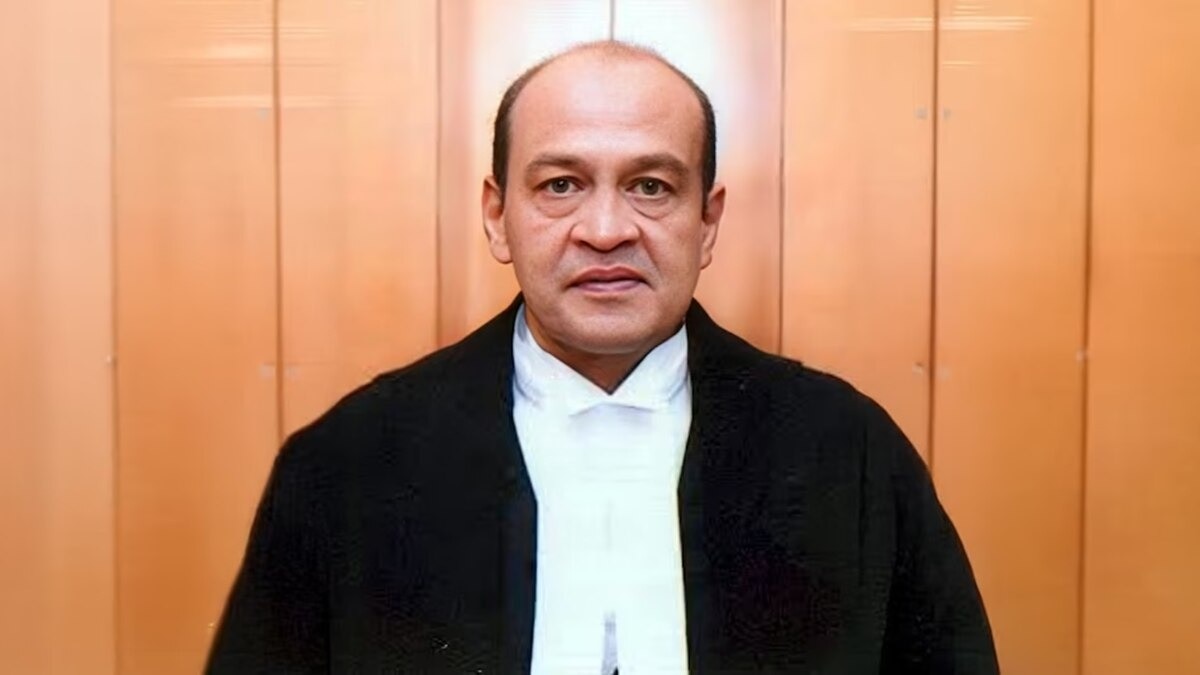
The inquiry committee investigating former Delhi High Court Judge Justice Yashwant Verma has finalized its report. The findings are set to be presented in the Lok Sabha, heightening suspense over his removal process.
Key Takeaways
- The inquiry report on Justice Yashwant Verma will be presented in the Lok Sabha this Wednesday.
- The investigation stems from the discovery of burnt currency notes at his official residence.
- Despite his resignation, the President has not yet accepted it, keeping his status in limbo.
- Over 200 MPs have petitioned for his formal removal from office.
In a significant development regarding the sensational 'Cash Scandal' involving former Delhi High Court Judge Justice Yashwant Verma, the appointed inquiry committee has completed its investigation. The report is scheduled to be tabled in the Lok Sabha on Wednesday, potentially triggering a major constitutional debate.
Historical Background of the Scandal
The controversy erupted in March last year when a fire broke out in the storeroom of Justice Verma's official residence at Tughlaq Crescent, New Delhi. During the firefighting operation, police and fire personnel discovered partially burnt currency notes. While Justice Verma and his wife were in Madhya Pradesh at the time, the discovery led to intense scrutiny. He subsequently claimed the incident was a conspiracy and denied ownership of the cash.
Legal Complexity and Parliamentary Action
The Lok Sabha Secretary-General will present the report under Section 4(3) of the Judges (Inquiry) Act, 1968. The submission will include both Part 1 and Part 2 of the report (in Hindi and English) along with all oral and documentary evidence collected during the probe. A major point of contention remains his resignation; although he resigned on April 9, the President has yet to formally accept it, meaning he remains on the Allahabad High Court rolls.
Why This Matters: BozokMedia Analysis
BozokMedia analysis shows that this case serves as a critical benchmark for judicial accountability in India. The intersection of a voluntary resignation and a parliamentary removal process creates a unique legal gray area that will test the strength of our constitutional frameworks.
The outcome of this report will determine whether the parliamentary mechanism for removing judges can effectively address misconduct even after a resignation is tendered.
With more than 200 Members of Parliament demanding his removal via a petition to the Lok Sabha Speaker, the committee's findings will be the deciding factor in whether the House proceeds with formal impeachment-style proceedings.
Frequently Asked Questions
1. What triggered the investigation into Justice Verma?
The investigation was triggered by the discovery of burnt cash in the storeroom of his official government residence during a fire incident.
2. Why is his status still listed in the High Court?
Because his resignation submitted on April 9 has not yet been officially accepted by the President of India.

