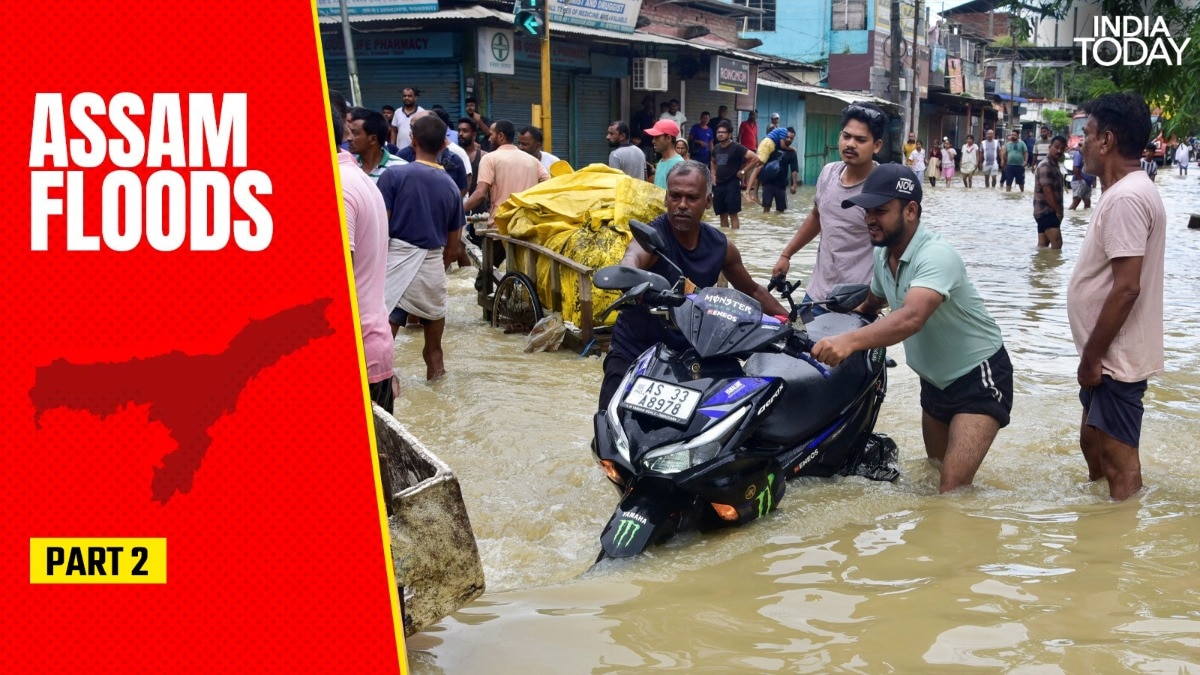
Intense monsoon rains in Nagaland are causing catastrophic landslides and destruction in neighboring Assam, raising urgent questions about regional disaster resilience.
Key Takeaways
- Continuous heavy rainfall in Nagaland is directly impacting Assam's terrain.
- Landslides and flooding have caused significant damage to infrastructure and lives.
- Urgent intervention is required to mitigate the impact of shifting rainfall patterns.
The relentless monsoon rains currently battering Nagaland have triggered a chain reaction of destruction across the border in Assam. As water flows down from the saturated hills of Nagaland, it is transforming into a force of devastation, leading to massive landslides and flooding in the plains of Assam.
A Regional Environmental Crisis
The geological connection between these two states means that the weather patterns in Nagaland act as a catalyst for disasters in Assam. The heavy runoff is not just bringing water, but also massive amounts of silt and debris, which are choking river systems and burying residential areas under mudslides.
Why This Matters
BozokMedia analysis shows that this phenomenon highlights the interconnectedness of the North-East's ecosystem. The crisis underscores the urgent need for cross-state disaster management strategies and more robust topographical monitoring to prevent such large-scale ruin in the future.
The ecological instability of the region means that rainfall in one state can become a structural catastrophe for its neighbor.
Historical Background: The North-Eastern corridor has historically been prone to seasonal flooding, but the increasing intensity of rainfall due to global climate shifts has made these events more unpredictable and destructive than ever before.
Frequently Asked Questions
Question 1: How is Nagaland's rain affecting Assam?
Answer: The heavy runoff and rainfall in Nagaland lead to increased river levels and landslides in the downstream areas of Assam.
Question 2: Can the current damage be fixed?
Answer: While immediate relief is underway, long-term fixes require massive infrastructural reinforcement and better ecological management.