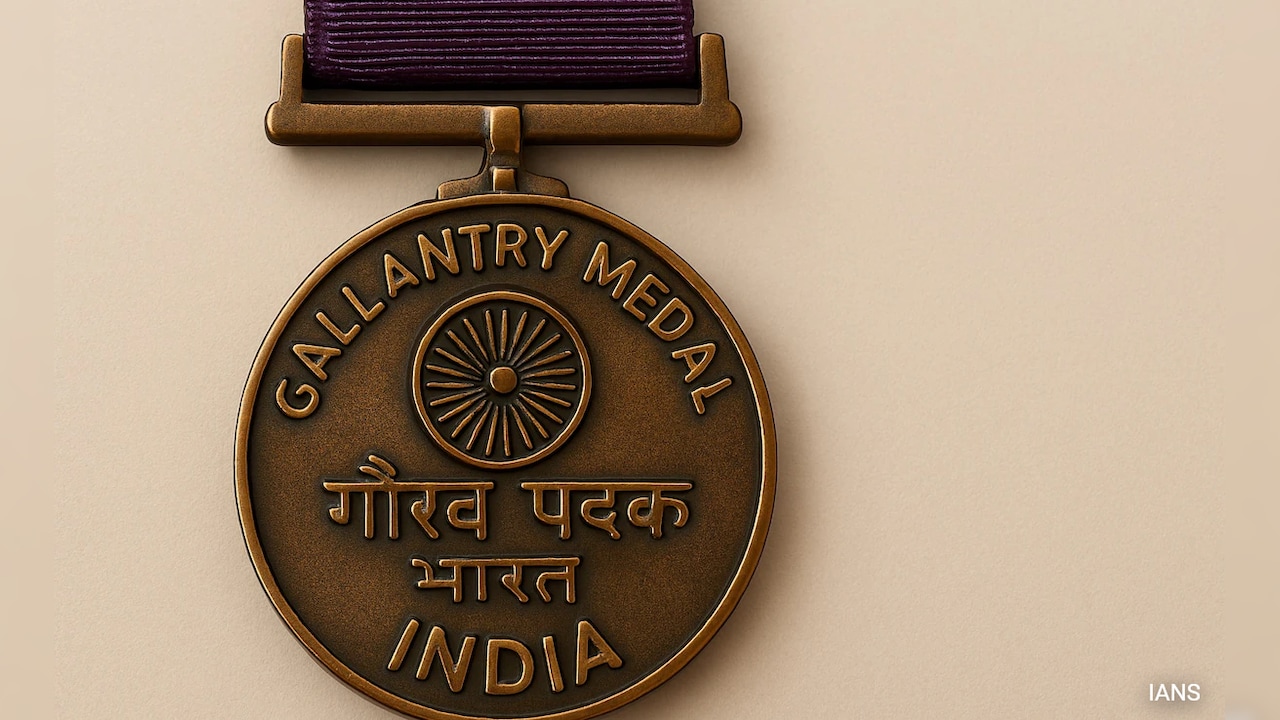
President Droupadi Murmu has lauded the decision to suspend the Indus Waters Treaty with nations that support terrorism, calling it a strategic necessity. She also honored the bravery of the armed forces.
Key Takeaways
- President Murmu supports suspension of treaty with terror-sponsoring nations.
- The move is framed as a decisive step for national security.
- Commemoration of 'Operation Sindoor' highlights military valour.
In a powerful address to the nation, President Droupadi Murmu emphasized that suspending the Indus Waters Treaty with nations that provide sanctuary to terrorists is a decisive and necessary action. This stance underscores India's commitment to prioritizing national security over outdated diplomatic concessions.
Honoring Military Valour
Marking the first anniversary of 'Operation Sindoor' launched on May 7, the President paid a glowing tribute to the unmatched valour of the Indian Armed Forces. She noted that the nation stands in solidarity with the soldiers who have displayed extraordinary courage in defending the country's borders.
Why This Matters
BozokMedia analysis shows that India is increasingly integrating water diplomacy with national security. By linking the Indus Treaty to the issue of cross-border terrorism, the government is signaling that economic and resource-based agreements cannot remain insulated from the reality of regional instability.
The shift from passive diplomacy to active strategic pressure marks a new era in India's foreign policy.
Historically, the Indus Waters Treaty has been a cornerstone of regional water management, but the escalating threat of state-sponsored terrorism has necessitated a fundamental reassessment of its terms and applicability.
Frequently Asked Questions
1. What is the significance of suspending the treaty?
It serves as a high-level diplomatic lever to pressure nations that use terrorism as a tool of statecraft.
2. Who led Operation Sindoor?
Operation Sindoor refers to a significant military operation conducted by the Indian Armed Forces to secure national interests.