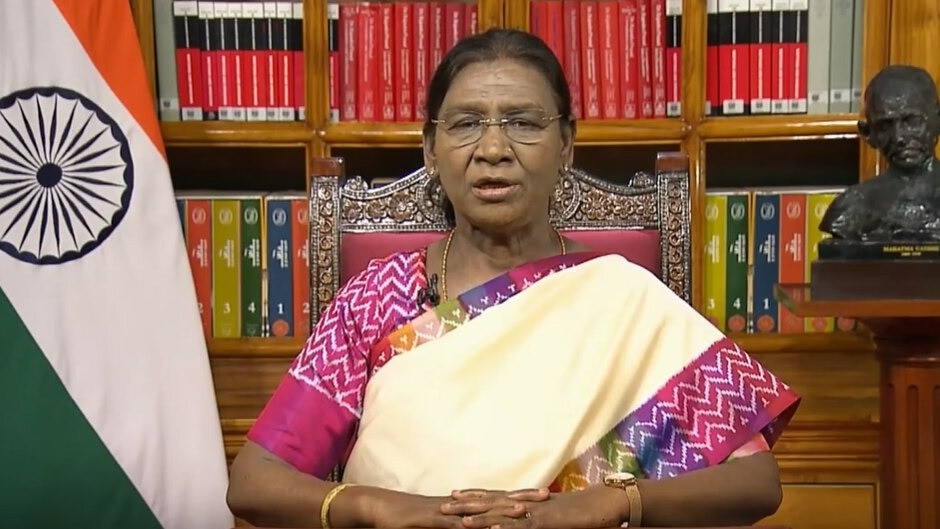
India celebrates its Independence Day with immense fervor, honoring the legacy of freedom fighters and pledging to take the nation to new heights of success and prosperity.
Key Takeaways
- India marks its Independence Day with national pride and unity.
- A collective pledge to uphold the dignity of the Tricolour.
- Emphasis on continuous growth and achieving future national milestones.
India is celebrating its Independence Day, a momentous occasion that resonates with the spirit of freedom and the resilience of its people. As the Tricolour flies high across the nation, it serves as a powerful reminder of the sacrifices made by our freedom fighters to secure a sovereign future for billions.
A Celebration of Victory and Dreams
This day is more than just a holiday; it is a celebration of every victory achieved by the nation and every dream envisioned by its citizens. From technological advancements to cultural milestones, the journey of Independent India has been nothing short of extraordinary. The essence of this day lies in the collective resolve to keep the flag flying high through constant striving and excellence.
Why This Matters
BozokMedia analysis shows that such national observances act as a vital catalyst for social cohesion and national purpose. By revisiting our roots, we strengthen our resolve to tackle modern challenges and drive the nation toward becoming a global superpower.
"True independence is found in the continuous pursuit of excellence and the collective upliftment of every citizen."
Historical Background: On August 15, 1947, India broke free from nearly two centuries of British colonial rule. This transition marked the birth of the world's largest democracy, a journey that continues to evolve through democratic values and rapid modernization.
Frequently Asked Questions
1. What is the significance of Independence Day in India?
It commemorates the end of British rule in 1947 and the emergence of India as a free nation.
2. What do the colors of the Indian flag represent?
Saffron stands for courage, White for peace and truth, and Green for prosperity and fertility.