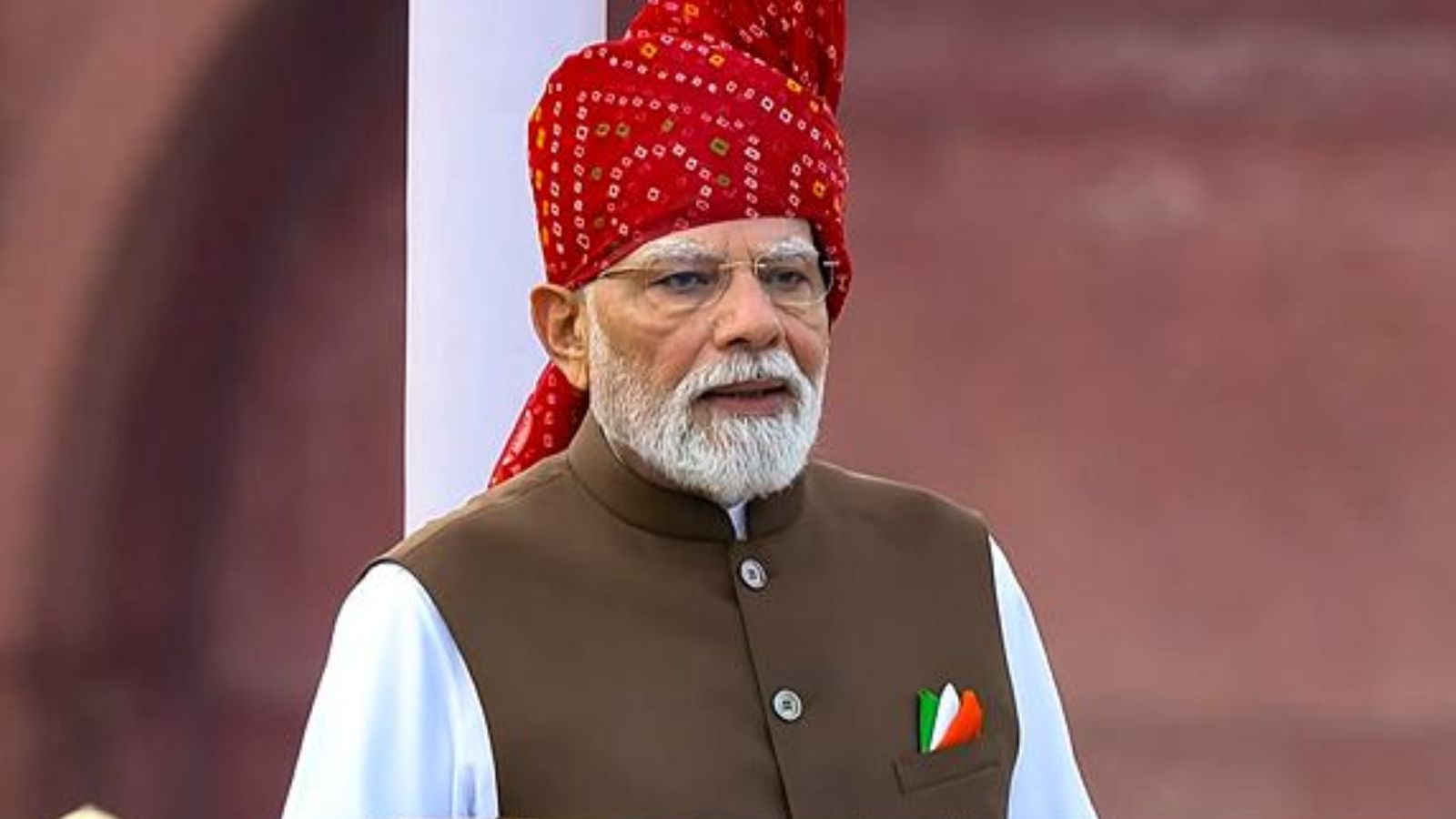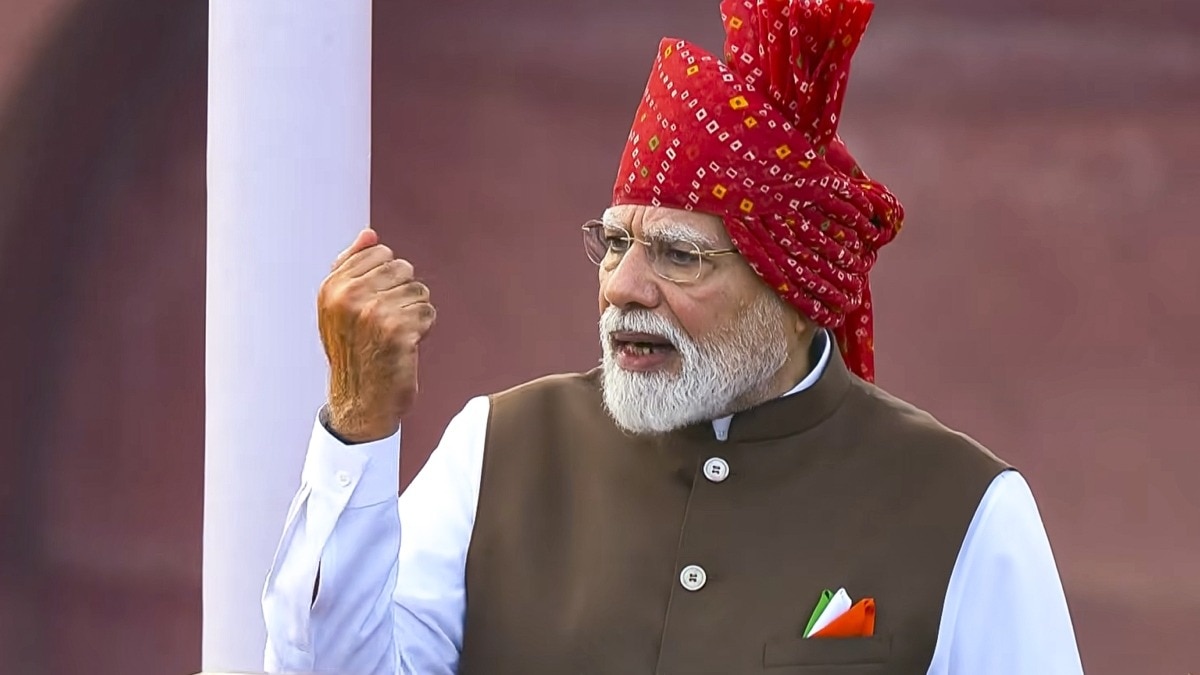
During his Independence Day address, PM Narendra Modi unveiled the 'Saptdhara' strategy, aiming to achieve in 7 years what wasn't accomplished in 70. The plan focuses on seven key economic and technological pillars.
Key Takeaways
- The 'Saptdhara' initiative aims for rapid growth over the next 7 years.
- Focus areas include Manufacturing, Defense, Digital Innovation, and Green Economy.
- Aims to transition India from a consumer market to a global production hub.
- Leveraging Soft Power like Yoga and Ayurveda for global influence.
Addressing the nation from the ramparts of the Red Fort on Independence Day, Prime Minister Narendra Modi articulated a transformative vision for India's future termed 'Saptdhara' (The Seven Streams of Power). He emphasized that the time for stagnation is over; instead, India must accelerate its pace of development to achieve in 7 years what remained elusive for the previous 70 years.
The Seven Pillars of Saptdhara
The Prime Minister outlined a comprehensive multi-sectoral approach to propel the Indian economy:
- 1. Manufacturing: Scaling up to meet global standards in cost, quality, and scale.
- 2. Food Processing: Turning agriculture into a global brand through enhanced processing.
- 3. Innovation: Leading in AI, Robotics, Quantum Technology, and Space.
- 4. Gati Shakti: Building world-class multimodal connectivity and logistics.
- 5. Defense: Moving from being a buyer to a major global defense supplier.
- 6. Green & Blue Economy: Dominating in Renewable Energy and Ocean Technology.
- 7. Soft Power: Expanding India's influence through Yoga, Ayurveda, and Tourism.
Why This Matters
BozokMedia analysis shows that the 'Saptdhara' framework is a strategic attempt to synchronize India's diverse sectors into a single, high-velocity growth engine. By integrating manufacturing with digital infrastructure and green energy, India is positioning itself as a resilient alternative to existing global supply chains.
Saptdhara represents India's transition from a passive participant in the global economy to an active architect of future technologies.
Historical Background
For decades, India's growth was often hampered by bureaucratic hurdles and infrastructure gaps. While initiatives like 'Make in India' laid the groundwork, the 'Saptdhara' vision seeks to provide the holistic momentum required to bridge the gap between a developing and a developed nation.
Frequently Asked Questions
1. What is the core essence of the Saptdhara plan?
It is a seven-pronged strategic focus designed to catalyze India's economic, technological, and infrastructural growth within the next seven years.
2. How does the plan address environmental concerns?
Through the 'Green and Blue Economy' pillar, focusing on green hydrogen, renewable energy, and sustainable ocean technology.