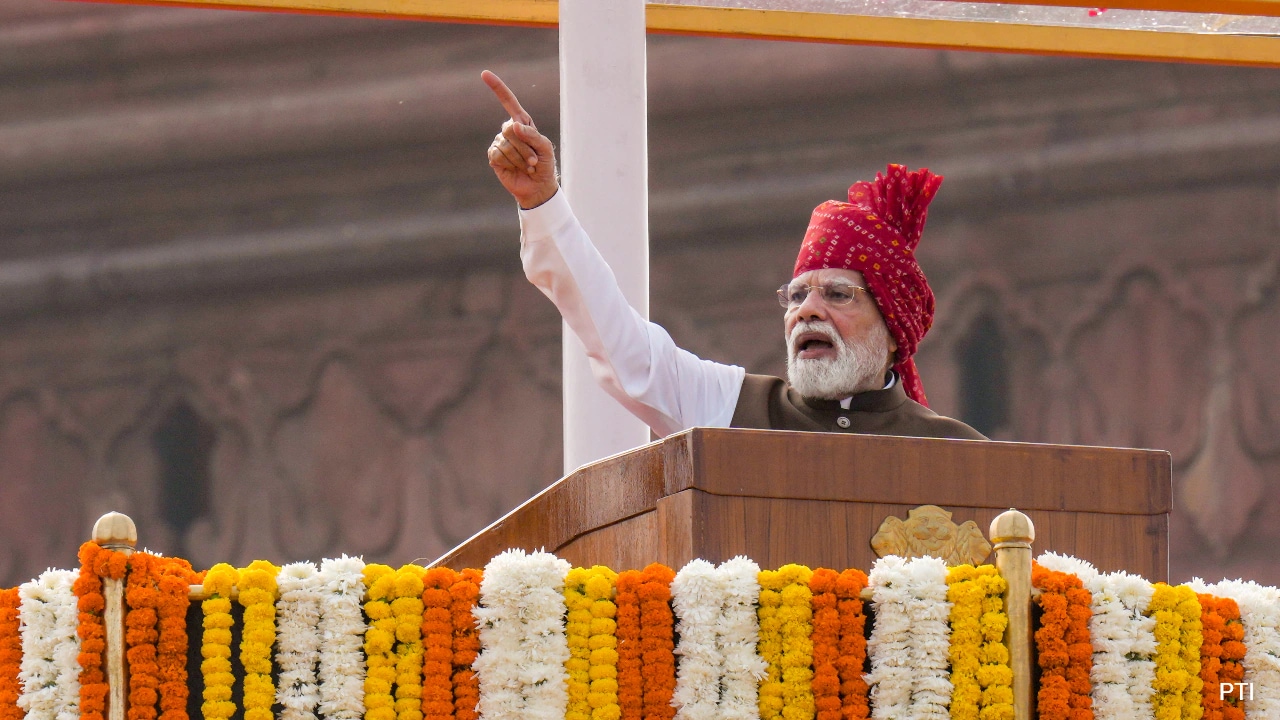
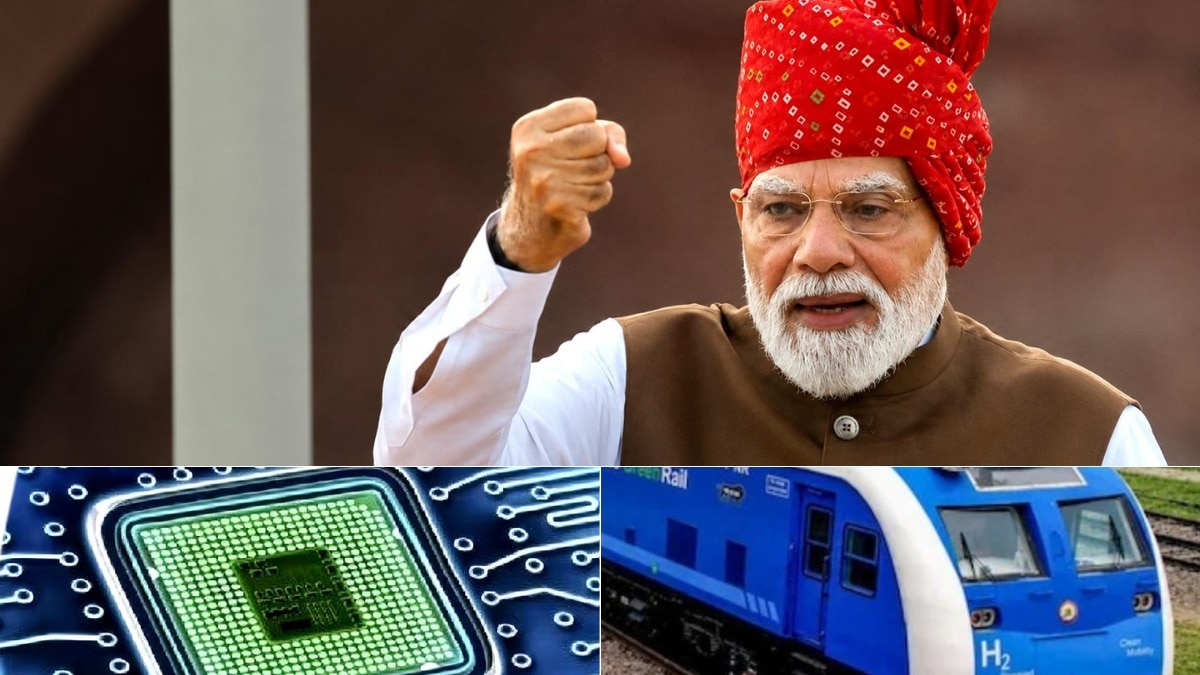
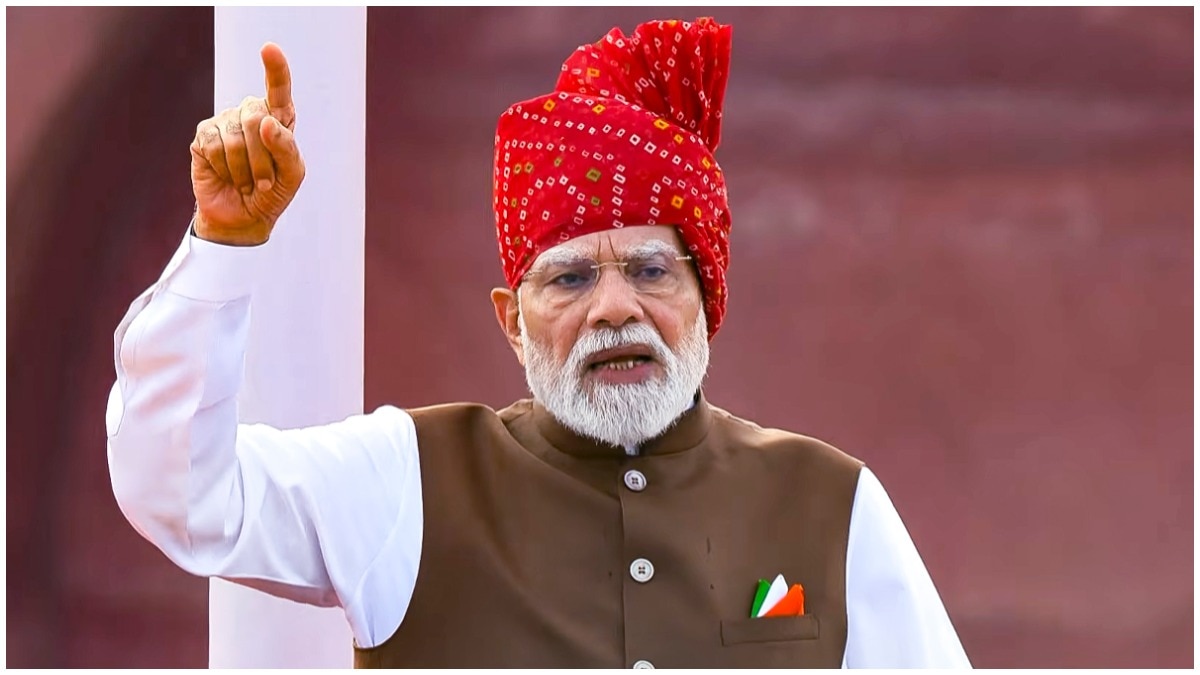
Addressing the nation on India's 80th Independence Day, Prime Minister Narendra Modi warned that critical resources like fuel and technology are being used as geopolitical weapons. He emphasized the urgent need for energy independence to secure India's economic future.
Key Takeaways
- PM Modi warned against the 'weaponisation' of resources and strategic sea routes.
- Emphasis placed on achieving energy self-reliance to mitigate geopolitical risks.
- The ₹84,084-crore Samudra Manthan scheme will accelerate offshore oil and gas exploration.
- Solar energy capacity has seen a massive jump from 2GW to 160GW in a decade.
Speaking from the ramparts of the Red Fort on India's 80th Independence Day, Prime Minister Narendra Modi issued a stern warning regarding the shifting dynamics of global power. He noted that essential resources—ranging from fuel and medicines to advanced technology—are increasingly being utilized as instruments of geopolitical pressure by certain nations.
The Prime Minister specifically highlighted the vulnerability of strategic maritime routes. The ongoing tensions in the Middle East have already demonstrated how disruptions in corridors like the Strait of Hormuz can send shockwaves through global energy markets. For India, which relies on imports for nearly 90% of its crude oil, such disruptions pose a direct threat to national economic security.
Why This Matters
BozokMedia analysis shows that India's heavy dependence on overseas energy supplies makes its economy susceptible to external shocks. With significant portions of India's LNG and crude oil transiting through volatile waterways, the transition from a consumer to a self-reliant producer is no longer just an economic goal, but a strategic necessity.
The transformation of global trade routes into geopolitical tools is a defining challenge of the 21st century.
To counter these risks, the Indian government has launched the Samudra Manthan National Offshore Exploration Scheme, backed by an investment of ₹84,084 crore. This initiative aims to unlock deepwater and ultra-deepwater hydrocarbon reserves. Furthermore, the government has opened 99% of India's sedimentary basins for commercial exploration to bolster domestic production.
Energy Transition Progress
| Metric | Circa 2014 | 2026 Status |
|---|---|---|
| Piped Gas Coverage | 70 Cities | 700 Cities |
| Solar Power Capacity | 2 GW | 160 GW |
| Piped Gas Households | 22 Lakh | 1.75 Crore |
The Prime Minister also highlighted India's strides in renewable energy, noting that solar power generation has surged exponentially, providing a critical buffer against the volatility of fossil fuel markets.
Frequently Asked Questions
1. What did PM Modi mean by 'weaponisation of resources'?
He meant using essential supplies like fuel, medicine, and tech to exert political pressure on other nations.
2. How is India planning to increase domestic oil production?
Through the Samudra Manthan scheme and by opening up 99% of sedimentary basins for exploration.