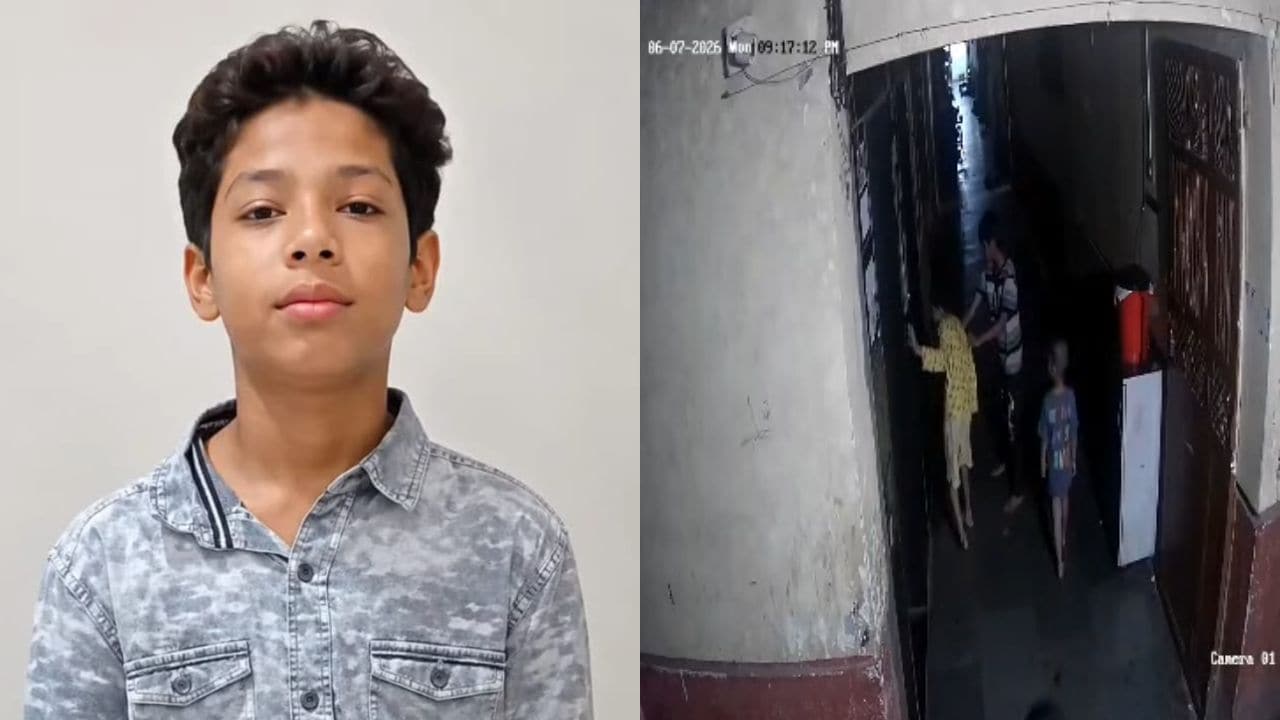
A tragic accident in Mumbai, where a 12-year-old boy lost his life after falling into an open lift shaft, has raised serious questions about residential safety standards. The entire incident, captured on CCTV, has prompted a police investigation into potential negligence.
A heartbreaking incident has sent shockwaves through Mumbai after a 12-year-old boy tragically died after falling into an open lift shaft while playing with friends in a residential building. The victim sustained critical head and body injuries from the fall and was rushed to a nearby hospital, where he was declared dead upon arrival. The local police have registered an Accidental Death Report (ADR) and have launched a comprehensive probe to determine if there was any criminal negligence on the part of the building administration.
The Incident & CCTV Details
According to law enforcement officials, the entire mishap was captured on the building's closed-circuit television (CCTV) cameras. The footage, which is currently being meticulously examined by forensic and technical experts, shows the children playing in the common corridor. Preliminary reports suggest that the lift door, which should have remained locked when the cabin was on another floor, opened easily, leading to the fatal plunge. This technical malfunction points toward a severe lack of maintenance of the building's elevator system.
Infrastructure & Safety Norms
This tragic event highlights a growing and alarming trend of lift-related accidents in rapidly urbanizing Indian cities. In high-density metropolitan areas like Mumbai, high-rise residential buildings rely heavily on elevators, yet safety audits are frequently neglected. Under the Maharashtra Lifts, Escalators and Moving Walks Act, housing societies are legally mandated to conduct regular fitness checks and secure fitness certificates from licensed inspectors. However, enforcement remains weak, leaving residents, especially vulnerable children, at immense risk.
Legal & Social Implications
Legal experts point out that in such cases of fatal negligence, the housing society's management committee and the elevator maintenance contractor can be held criminally liable under Section 106 (causing death by negligence) of the Bharatiya Nyaya Sanhita (BNS). The police are currently questioning the maintenance agency responsible for the upkeep of the elevator. Civic activists are urging local municipal corporations to establish a stricter, digitalized tracking system for lift maintenance to prevent such avoidable tragedies.
As the investigation proceeds, the tragedy serves as a grim reminder for housing societies across the nation to prioritize infrastructure safety over cosmetic upgrades. Regular mock drills, child-safety locks, and immediate repairs of malfunctioning elevators are not optional luxuries but life-saving necessities.