In Baruipur, West Bengal, the accused in a recent rape‑murder case was shot twice from behind while in custody. The autopsy report verified the fatal gunshot wounds, adding a new layer of controversy to the investigation.
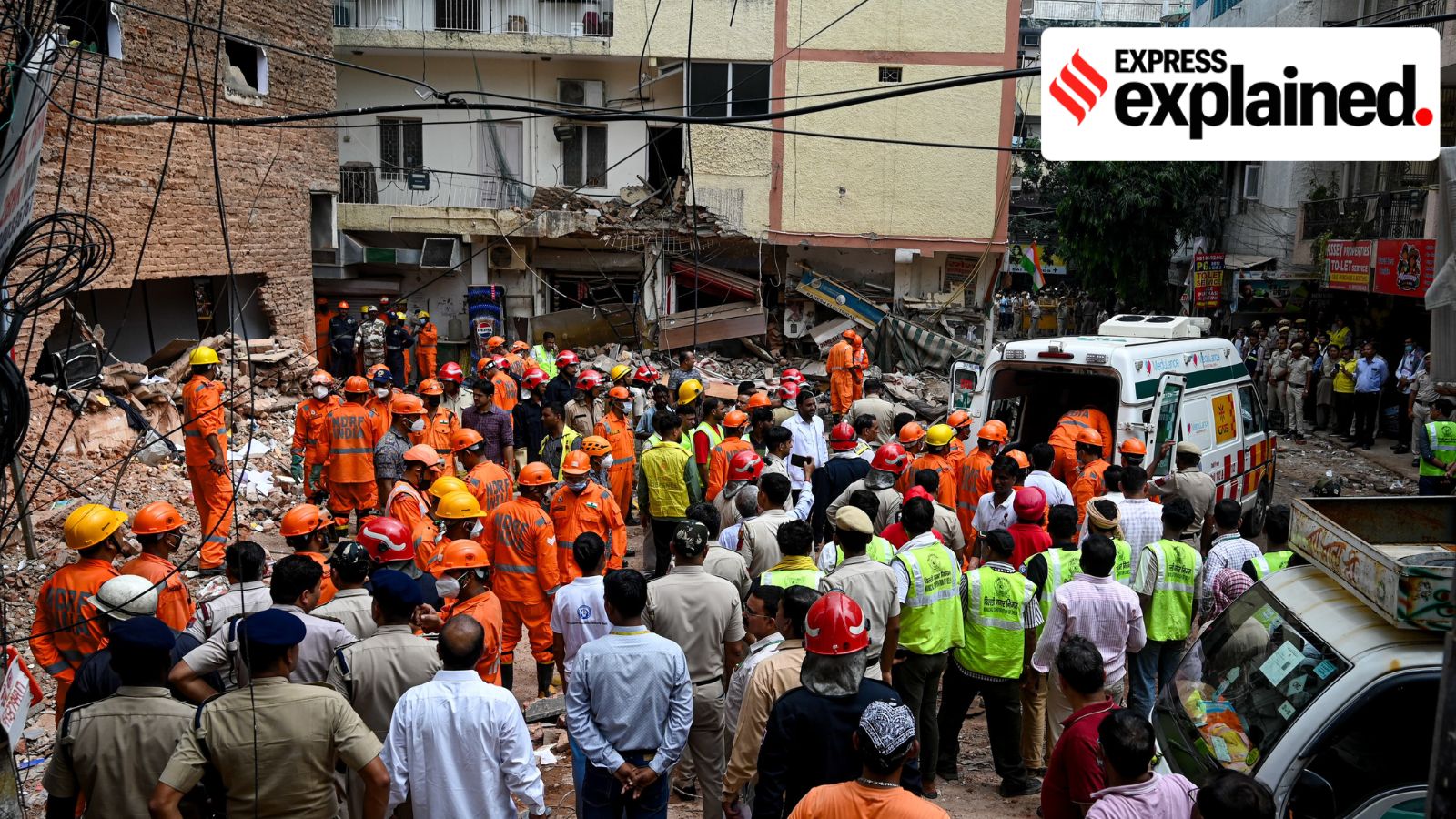
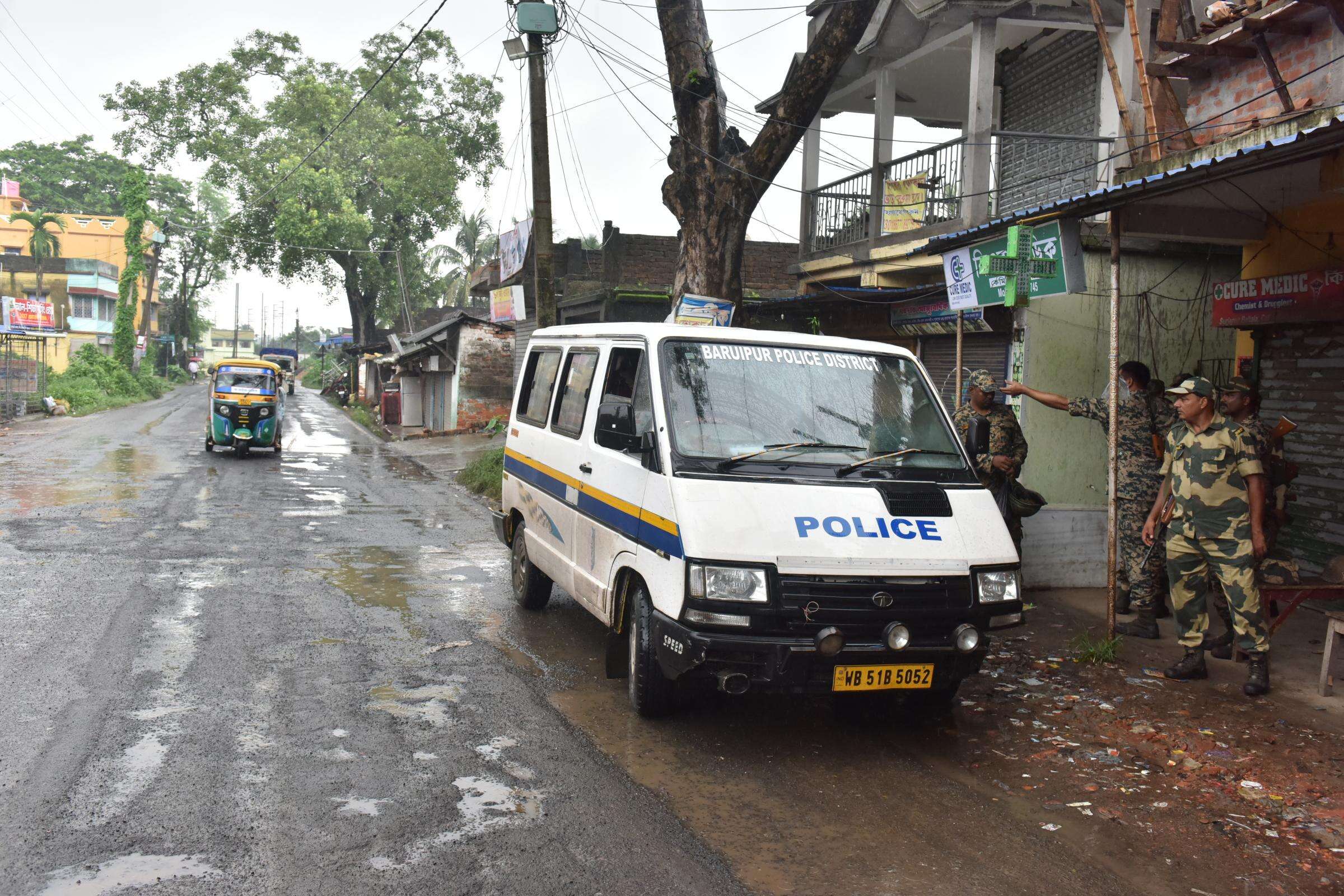
West Bengal's southern district town of Baruipur was rocked on July 24 when the alleged perpetrator in the rape‑murder of 21‑year‑old Shreevedita was killed inside a police lock‑up. The suspect, identified as Rakesh Kumar, 23, was reportedly shot twice in the back, a detail later confirmed by a post‑mortem examination.
Background of the crime
Shreevedita disappeared on July 15 after being abducted near her residence. Her body was recovered a few days later in a remote area outside the village, sparking outrage across the state. Investigators quickly zeroed in on Rakesh Kumar based on forensic evidence and eyewitness testimonies, leading to his arrest on July 22.
Key findings of the autopsy
The district hospital’s forensic team performed a thorough autopsy, noting two distinct entry wounds on Rakesh’s back – one near the left shoulder and another near the lumbar region. Both projectiles had penetrated deep enough to cause immediate fatal hemorrhage. No other external injuries were observed, conclusively indicating that the fatal shots were delivered from behind.
Legal and societal ramifications
This incident has amplified two pressing concerns: the pursuit of justice for the rape‑murder victim and the extrajudicial killing of a suspect. Human‑rights groups have condemned the shooting, emphasizing that every accused deserves a fair trial, irrespective of public sentiment. In response, the West Bengal government ordered an independent probe into the lock‑up shooting, focusing on procedural lapses and possible misconduct by law‑enforcement personnel.
Future outlook
Investigators have warned that if the inquiry uncovers evidence of an ordered or collusive killing, higher‑ranking officials could also be held accountable. The case now stands at a crossroads, potentially reshaping policies on custodial safety and reinforcing the necessity of due‑process safeguards in high‑profile criminal investigations.