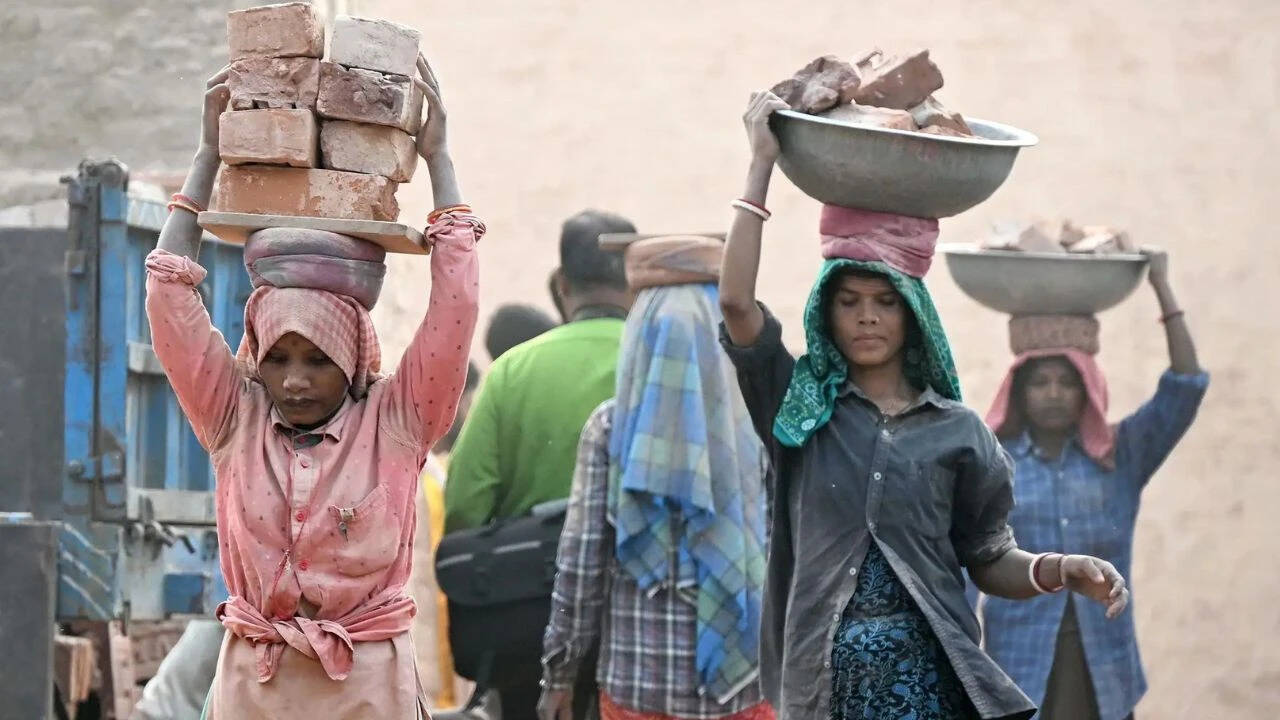
As millions of men migrate from Bihar in search of employment, the rural landscape is witnessing a silent revolution. Women have stepped up to manage households, farms, and community leadership.
The Tragedy of Migration and Shifting Social Dynamics
Migration has long been a defining characteristic of rural Bihar. Driven by a lack of industrialization and systemic poverty, millions of men migrate annually to metropolitan hubs like Delhi, Mumbai, and Bengaluru. While the discourse often centers on the migrant's struggle in the city, there is a profound, overlooked transformation occurring in the villages. The women of Bihar have transitioned from being domestic support systems to becoming the primary anchors of the rural socio-economic structure.
The 'Feminization of Agriculture'
Sociologists and economists refer to this phenomenon as the 'feminization of agriculture.' With the male workforce absent for significant portions of the year, women have taken charge of the entire agricultural cycle—from sowing and weeding to harvesting and marketing. This shift has forced a break from traditional gender roles, as women now handle financial transactions, negotiate with traders, and manage livestock, tasks that were historically reserved for men.
The Invisible Struggle and Structural Barriers
Despite their newfound agency, these women operate within a framework of extreme vulnerability. The most critical hurdle is the lack of land titles. Since land ownership remains predominantly in the name of men, women struggle to access institutional credit, crop insurance, and government subsidies. Furthermore, they bear a 'double burden'—managing the grueling demands of farm labor while simultaneously fulfilling all domestic and caregiving responsibilities, often leading to severe physical and emotional exhaustion.
Policy Implications and the Path Forward
To truly empower these women, there is an urgent need for land reform and gender-sensitive agricultural policies. Providing legal land rights and specialized training in modern farming techniques could transform Bihar's rural economy. Moreover, the root cause—forced migration—can only be addressed by creating sustainable local employment opportunities, ensuring that the resilience of women is a choice of empowerment rather than a byproduct of desperation.