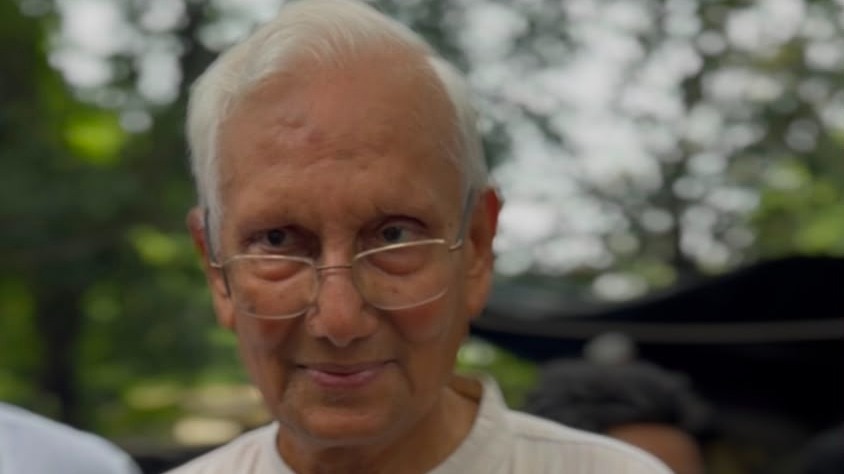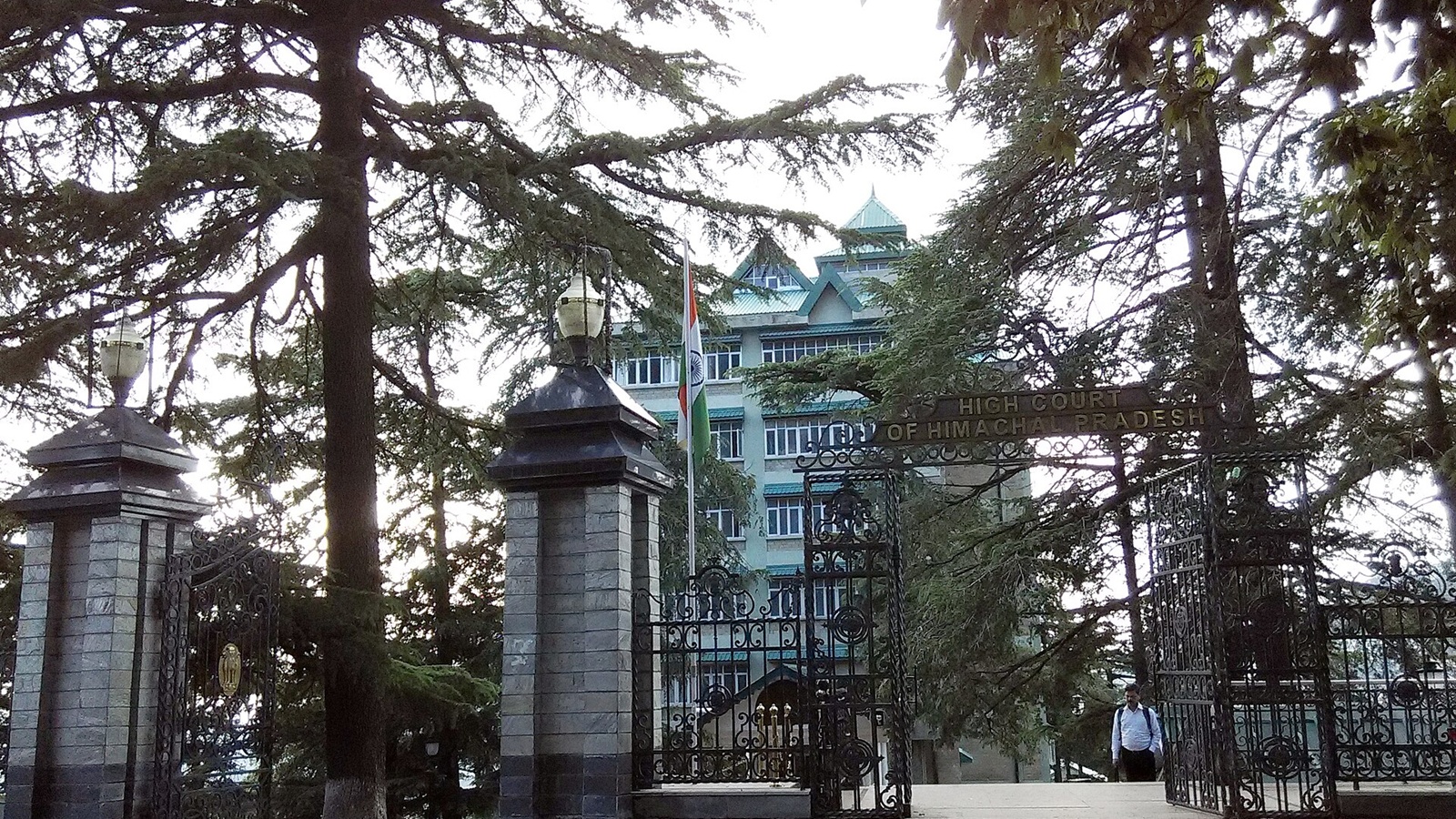
The Himachal Pradesh High Court has disposed of the suo motu proceedings stemming from a dispute between hotelier Nishant Sharma and former DGP Sanjay Kundu. The court ruled that both parties must now raise their objections to the police cancellation reports before the competent magistrate.
The Himachal Pradesh High Court, led by a division bench of Chief Justice Gurmeet Singh Sandhawalia and Justice Bipin Chander Negi, has officially closed the suo motu proceedings initiated over a 2023 representation by Palampur-based businessman and hotelier Nishant Sharma. The court declared that no further judicial intervention was required at this stage, effectively shifting the legal battleground to the jurisdictional Magistrate.
The Core Dispute and High Court's Directive
The high-profile conflict, which once shook the state's administrative setup, involved allegations of intimidation made by Sharma against the then Director General of Police (DGP) Sanjay Kundu. In its latest ruling, the High Court granted liberty to both Sharma and the former DGP to contest the police's cancellation reports in their respective cross-cases. The Bench emphasized that the competent Magistrate now holds the authority to accept the cancellation reports, order further investigation, or take direct cognisance of the matters.
Deep Background & Cross-FIRs
The legal saga began in October 2023 when Sharma sent an email to the High Court Chief Justice, alleging threats to his life and intimidation by the state's top cop. This prompted the court to initiate suo motu proceedings. Concurrently, DGP Sanjay Kundu lodged an FIR against Sharma in Shimla for alleged forgery and defamation. Over the next two years, investigative agencies filed cancellation reports in multiple interconnected cases—including an alleged attack on Sharma in McLeodganj and a shooting incident outside his parents' home in Gurgaon—concluding that the incidents were largely born out of business disputes rather than criminal conspiracies.
Investigative Findings and Legal Nuances
The High Court observed that the investigative agencies had reached a logical conclusion without any ulterior motives. Regarding the FIR against Sharma filed by the ex-DGP, the court noted that the allegations of defamation did not warrant a police-led investigation. Under Indian law, criminal defamation under IPC Sections 499 and 500 must be pursued via a private complaint before a Magistrate. The Bench reiterated that the investigation appeared fair, leaving no significant loose ends, and thus dropped the high court-monitored proceedings.
This ruling marks a transition of the dispute from an extraordinary high-court-monitored probe back to standard judicial channels. By directing the parties to the Magistrate, the High Court has reinforced the procedural sanctity of lower courts, ensuring that high-profile individuals, including top police officials and wealthy businessmen, are subjected to the standard legal process without bypassing the established hierarchy of the judiciary.