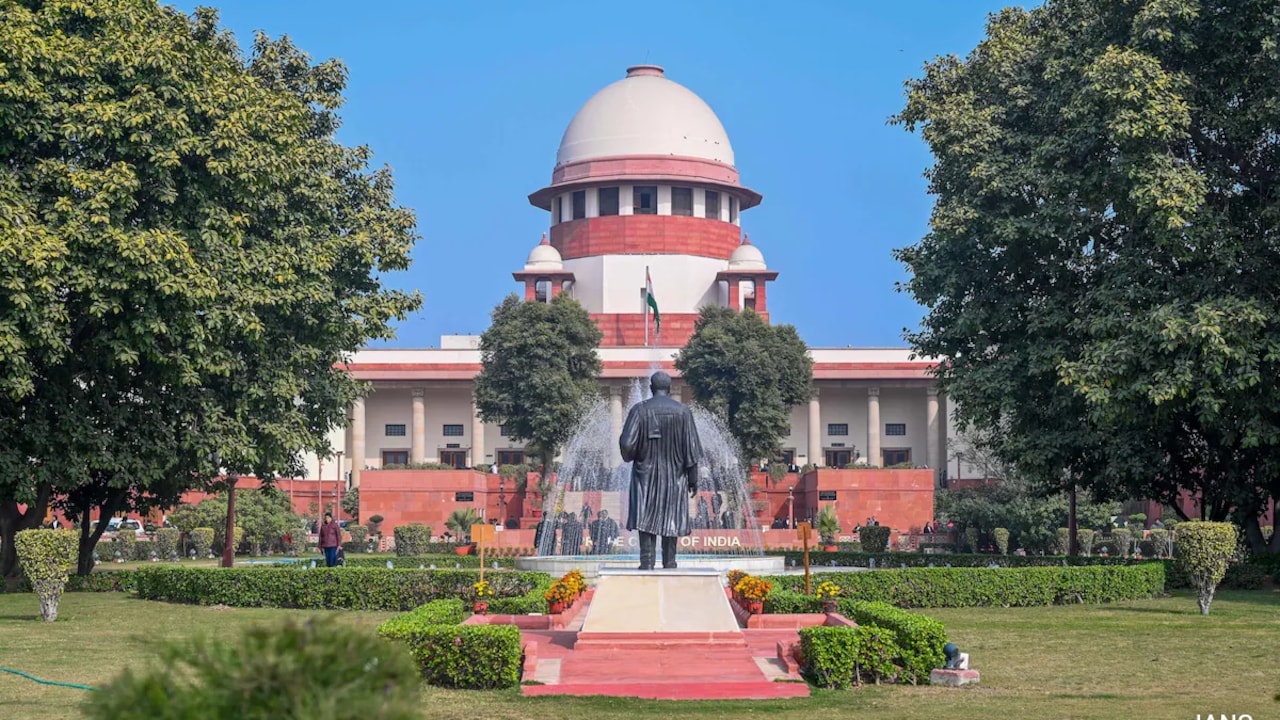
India's Supreme Court has directed a fresh trial against a headmistress accused of not reporting an eight‑year‑old student's sexual abuse. The ruling tightens mandatory reporting obligations for schools across the nation.
Key Takeaways
- Supreme Court orders a fresh trial for the headmistress
- Failure to report child sex abuse is now a punishable offence
- School reporting duties are legally reinforced nationwide
New Delhi – In a landmark judgment, the Supreme Court of India has ordered a fresh trial against a headmistress accused of ignoring a complaint of sexual abuse involving an eight‑year‑old student. The decision came after the victim’s mother filed an appeal that was partially allowed, overturning the earlier rulings of the trial court and the Gauhati High Court which had discharged the school principal.
Legal Framework and Background
India’s legal architecture for protecting children against sexual offences is anchored in the Protection of Children from Sexual Offences (POCSO) Act, 2012 and reinforced by the Child Protection Act, 2013. Both statutes impose a mandatory duty on any person, especially educational institutions, to report alleged abuse to the police or a child welfare committee without delay.
Judicial Trajectory
Earlier, the Gauhati High Court and the lower trial court had acquitted the headmistress, citing lack of evidence that she knowingly concealed the complaint. The Supreme Court, however, held that willful non‑reporting itself constitutes negligence punishable under POCSO, emphasizing that silence can perpetuate harm and undermine a child’s right to protection.
Implications for Schools Nationwide
The ruling sends a clear signal to schools across India: any failure to promptly report sexual abuse allegations will invite criminal prosecution. Educational administrators must now ensure that teachers and staff receive comprehensive training on POCSO obligations, maintain robust grievance mechanisms, and document every allegation meticulously.
Expert Commentary
Child‑rights advocates hail the decision as a watershed moment. “The verdict reinforces the principle that safeguarding children is a collective responsibility, and institutional complacency will no longer be tolerated,” said a leading legal scholar. The judgment is expected to spur policy revisions, tighter compliance audits, and heightened awareness among parents and educators.
Overall, the Supreme Court’s intervention not only strengthens legal accountability but also catalyzes a cultural shift towards proactive child protection, ensuring that future cases receive the swift justice they deserve.