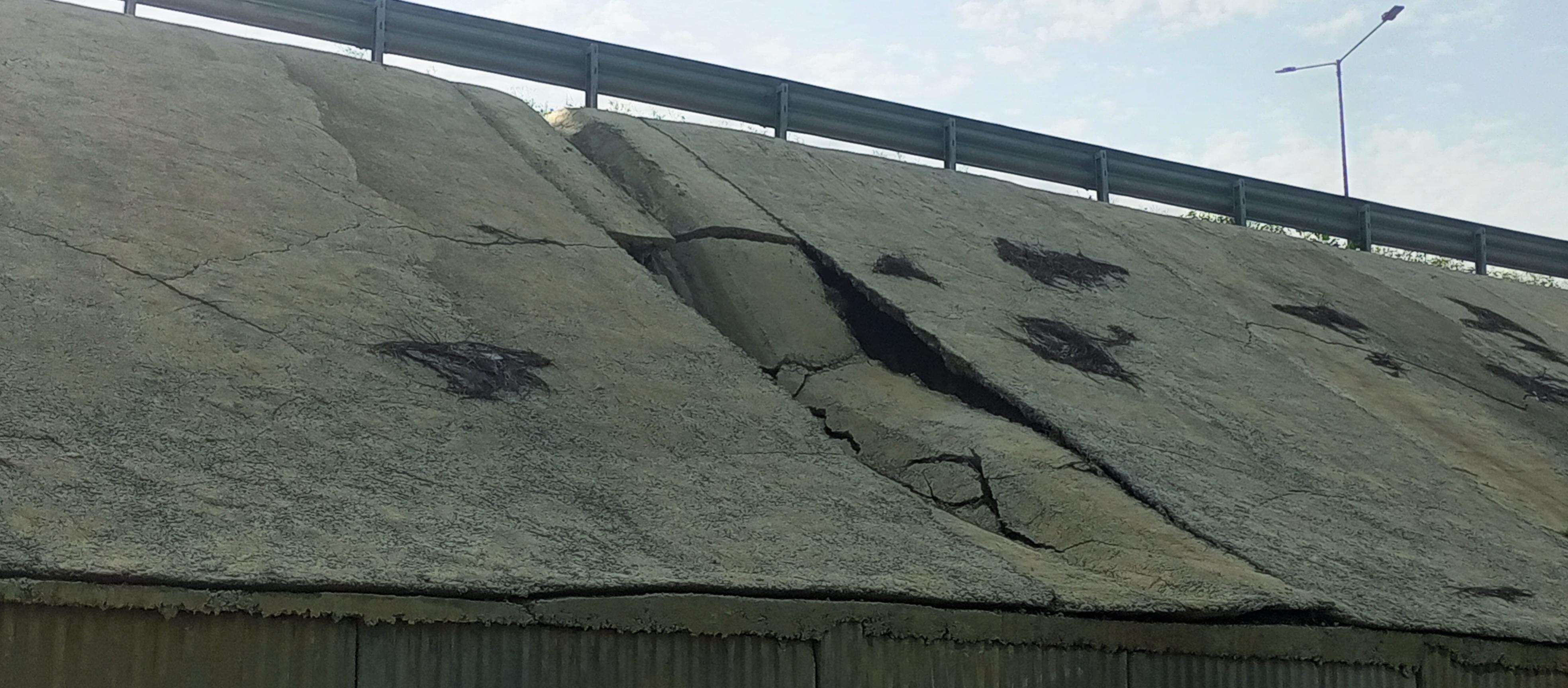
New cracks have emerged on a key ramp of the Delhi‑Doon Highway, prompting safety alarms for commuters. The state government ordered an immediate investigation while experts question the quality of construction and maintenance practices.
Key Takeaways
- New structural cracks discovered on Delhi‑Doon Highway ramp.
- State authorities have ordered an urgent inspection and repair.
- Experts cite inadequate maintenance and design flaws as primary causes.
The Delhi‑Doon Highway, a vital corridor linking the national capital with the popular hill station of Dehradun, has revealed alarming fissures on one of its main entry ramps. Handling thousands of vehicles daily, the compromised structure now poses a serious safety risk for commuters.
Background and Construction History
Construction of the highway began in 2015 and was fully commissioned in 2019 under the joint oversight of the National Highways Authority of India (NHAI) and the Delhi Development Authority (DDA). The project employed modern concrete mixes and advanced geo‑technical surveys. However, industry analysts have long warned that cost‑cutting measures and ambiguous contract terms could leave hidden vulnerabilities.
Discovery of Cracks and Immediate Response
Local news outlets reported that on July 28, a sizable crack appeared on the south‑eastern segment of the ramp. Authorities promptly closed the ramp to traffic and deployed a technical inspection team. Preliminary measurements indicated fissures up to 15‑20 cm deep, prompting an official “Safety Hazard” notice and a redirection of traffic to alternative routes.
Expert Analysis and Potential Causes
Civil engineering professor Dr. Ajay Kumar explained, “Structural failures of this nature typically stem from uneven bonding and insufficient water‑proofing.” He added that the region’s heavy monsoons and extreme temperature swings over the past two years have accelerated concrete expansion‑contraction cycles, making cracks more pronounced.
Government Action and Future Plans
The Delhi Chief Minister, in a press briefing, assured the public that a “independent expert committee” would be formed within 48 hours. The state government also pledged a comprehensive 30‑day remediation plan, encompassing detailed investigations, immediate repairs, and a long‑term monitoring schedule. This initiative aims not only to fix the current defect but also to set a new benchmark for highway maintenance across India.
Commuters are advised to use designated detour routes and report any unusual sounds or vibrations near the ramp. The incident underscores the urgent need for systematic upkeep of critical infrastructure, especially as climate change intensifies weather‑related stresses.