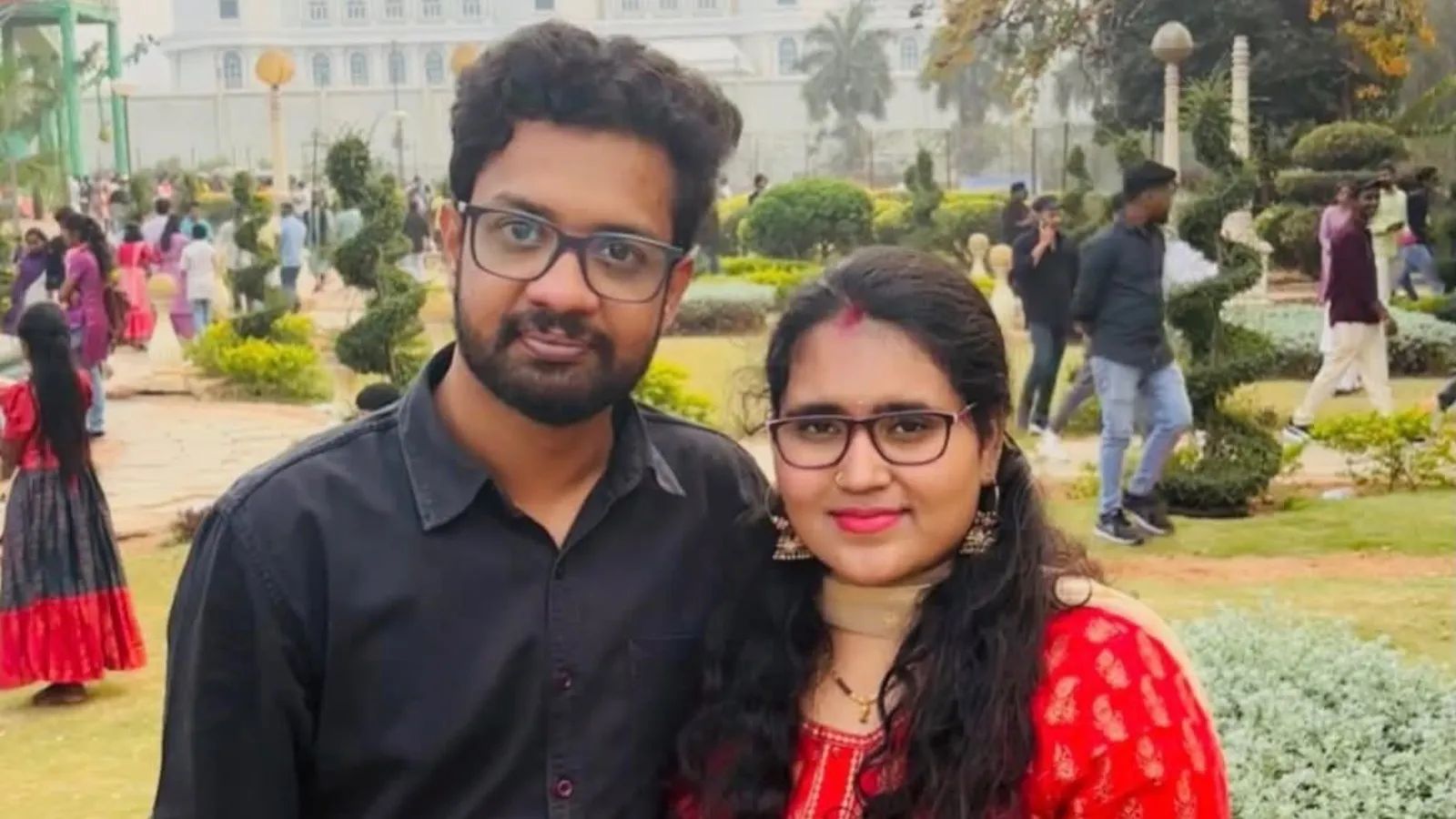
A month after 27‑year‑old Radha Gayatri was found dead at a Mussoorie homestay, her husband Sricharan has been taken into custody on dowry‑death allegations. Police are probing possible foul play, financial transactions and drug contamination.
Key Takeaways
- Husband arrested on dowry‑death charges a month after wife’s mysterious death.
- Police demand forensic analysis, financial audit, and possible drug‑mix investigation.
- Case spotlights India’s dowry‑death law and broader women‑safety concerns.
Dehradun police have arrested Sricharan, the husband of 27‑year‑old Radha Gayatri, a month after her suspicious death at a Mussoorie homestay. Charged under sections dealing with dowry death, investigators allege the murder was motivated by demands for dowry.
Chronology of the Incident
The couple travelled from Delhi to Rishikesh and Haridwar before reaching the Mussoorie homestay around 11:30 pm on 14 June. They went to bed at about 3:30 am, and the next morning Sricharan claimed he woke to find blood oozing from his wife’s nose. Radha was rushed to a hospital where she was declared dead.
Police Investigation and Charges
Radha’s father, Sudhakar, filed a complaint five days after the death, accusing his son‑in‑law of murder. Initially the FIR was registered under the murder sections, but later the dowry‑death provisions (BNS) were added, as confirmed by Circle Officer Jagdish Chandra Pant. A non‑bailable warrant was issued after the suspect absconded, leading to his arrest.
Legal Framework of Dowry Death
India’s Dowry Prohibition Act (1986) criminalises any death caused by dowry‑related harassment, prescribing stringent penalties. If the prosecution succeeds in proving that dowry demands triggered the killing, the accused faces a severe custodial sentence.
Unresolved Forensic Questions
While the police have not disclosed the exact cause of death or the modus operandi, the FIR cites several red flags: alleged placement of a tracking device in the victim’s bag, suspicious financial activity in the 48 hours preceding the incident, and claims that the husband misled investigators by attributing the death to low blood pressure. Media reports also hint at the possibility of drug‑infused alcohol contributing to the fatality.
Experts stress that a comprehensive forensic examination—blood tests, toxicology, and a detailed sweep of the homestay room—will be decisive in confirming or refuting the murder theory.
This tragedy underscores the persistent menace of dowry‑related violence in India. It calls for stricter enforcement of existing laws, heightened public awareness, and robust protective mechanisms for women facing marital exploitation.