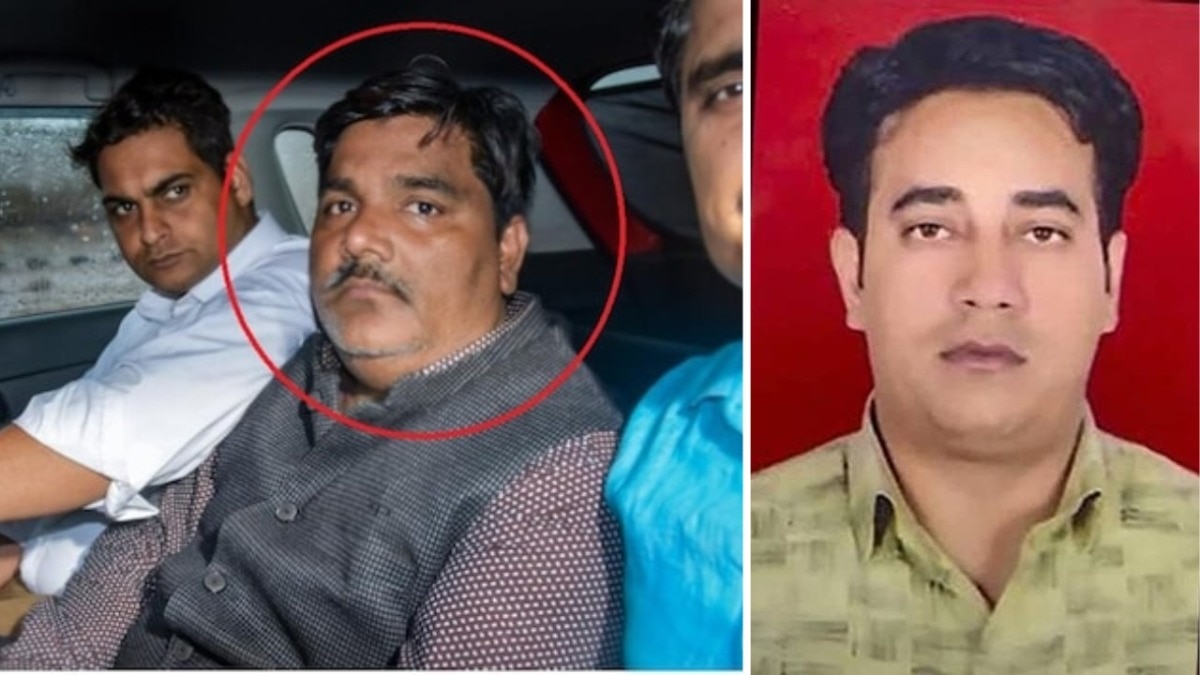
In the high‑profile 2020 Delhi riots murder case of IB officer Ankit Sharma, a Delhi court has convicted Tahir Hussain and four others on multiple charges, while dismissing the criminal conspiracy allegation. Sentencing is pending, marking a pivotal turn in the pursuit of justice.
Key Takeaways
- Tahir Hussain found guilty of murder, rioting and incitement of communal hatred.
- Criminal conspiracy (Section 120B) charge dismissed.
- Sentencing will be announced later, shaping the final outcome of the case.
A Delhi court today delivered a landmark verdict in the murder case of IB officer Ankit Sharma, stemming from the 2020 Delhi riots. Former MCD councilor Tahir Hussain and four co‑accused have been convicted under several sections of the Indian Penal Code, while the criminal conspiracy allegation was thrown out. This decision signals a decisive moment in the legal saga surrounding the riots.
Background of the 2020 Riot
In February 2020, violent clashes erupted in North‑East Delhi after protests over the Citizenship Amendment Act (CAA). The unrest spiraled into a full‑blown communal riot, resulting in 53 deaths, extensive property damage, and hundreds of injuries. Amid this chaos, IB officer Ankit Sharma was brutally killed; his body was later recovered from a drain, bearing 51 distinct injuries as detailed in the post‑mortem report.
Legal Proceedings
Following a complaint lodged by Sharma’s father, a First Information Report (FIR) was filed at Dayalpur police station. A total of 11 individuals were initially charged, facing sections 302 (murder), 365 (kidnapping), 188 (unlawful assembly), 153A (promoting enmity), 147, 148 and 149 of the IPC. In today’s hearing, the court found five of the accused, including Tahir Hussain, guilty on these counts, while acquitting them of the criminal conspiracy charge (Section 120B). Sentencing has been deferred to a later date.
Significance and Potential Impact
The verdict marks a critical juncture in the judicial handling of the 2020 Delhi riots. By dismissing the conspiracy allegation, the court emphasized the need for concrete evidence to substantiate such claims. Simultaneously, the convictions across multiple IPC sections reinforce the judiciary’s stance against communal violence and unlawful gatherings, potentially deterring future flare‑ups.
Reactions and Future Outlook
Political analysts view the ruling as a warning to those who seek to exploit communal tensions for political gain. Human‑rights groups have welcomed the move, urging swift and proportionate sentencing. Several political parties are now calling for a harsh penalty, arguing that the verdict alone is insufficient without a decisive punitive outcome. The upcoming sentencing phase will ultimately test the robustness of India’s legal response to sectarian violence.