The Gandhinagar Municipal Corporation has floated a Rs 11 crore tender to restore the dilapidated Indroda Fort, a 600‑plus‑year‑old structure shrouded in folklore. Experts say the project could boost heritage tourism while preserving a unique piece of Gujarat’s past.
Key Takeaways
- Rs 11 crore tender announced for Indroda Fort restoration
- Fort estimated to be over 600 years old, but documentary evidence is scarce
- Local legends suggest the fort served as a royal retreat and a military bastion
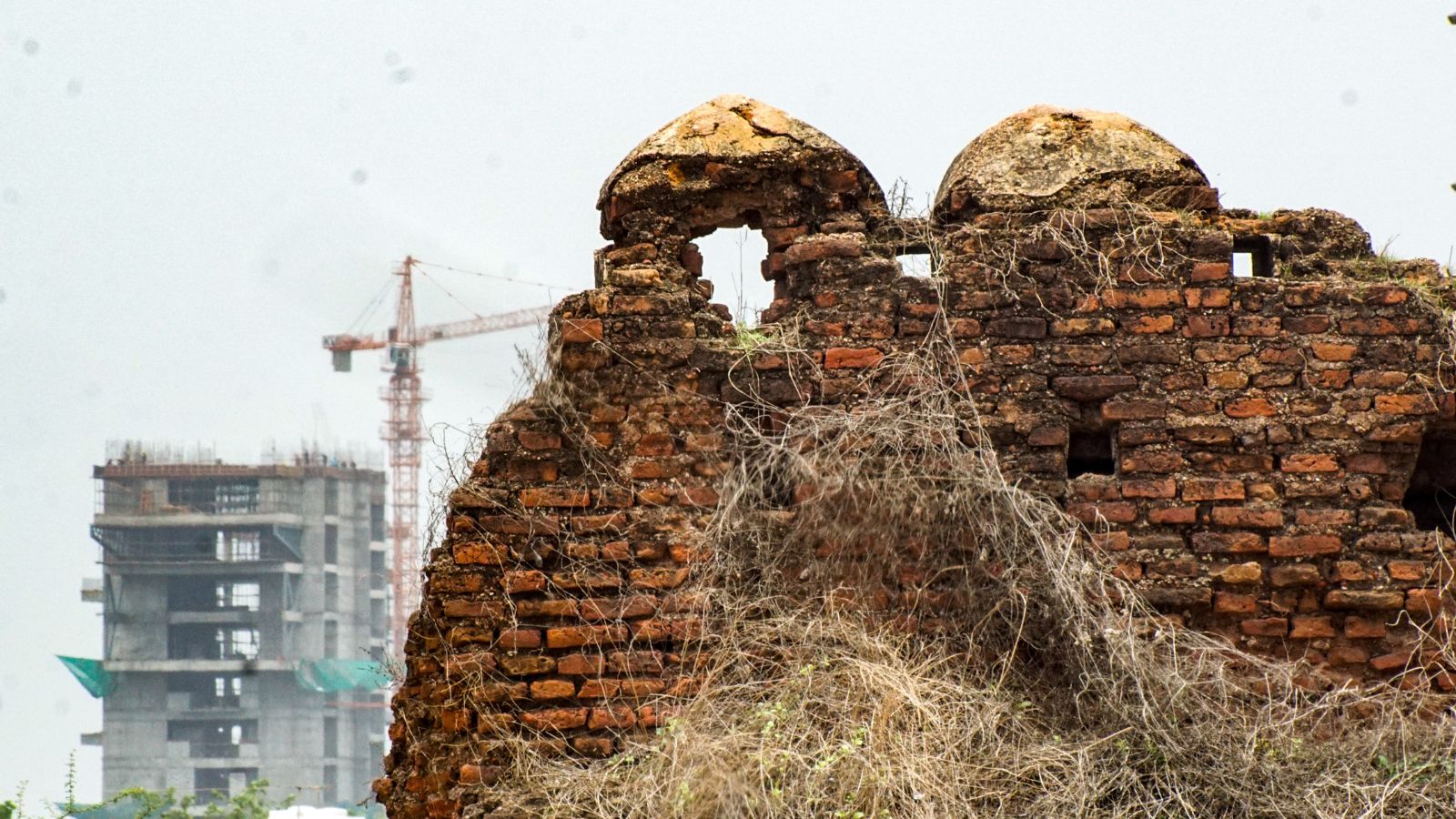
Gandhinagar, the capital of Gujarat, is poised to breathe new life into a fading monument. The Indroda Fort, perched on the banks of the Sabarmati River, now survives only as a broken bastion and a few wall fragments, yet its historical significance cannot be ignored.
Historical Background and Folklore
According to villagers, the fort dates back more than six centuries and is believed to have been constructed during the 15th‑century Gaekwad era. Diverse oral traditions claim that Emperor Ahmed Shah Badshah used the fort as a rest stop while traveling between Ahmedabad and Delhi, while other stories attribute its origin to King Indrasinh or a local deity, Raambai, who once served the royal stables.
Current Condition
Heavy monsoon rains since 2006 have accelerated the collapse of the fort’s walls. Today, merely about 225 metres of wall remains, whereas the original ramparts stretched roughly 800 metres in four directions. The surviving masonry consists of 65‑cm wide bricks bound with lime plaster, once supporting a 1.7‑metre‑high guard walkway and four bastion‑type towers—only one of which still stands.
Restoration Blueprint
The Gandhinagar Municipal Corporation (GMC) has issued a Rs 11 crore tender to rehabilitate the site. City engineer Bharat Pandya’s proposal outlines the repair of 250 metres of existing wall and the construction of an additional 400 metres of new masonry. The plan also envisions an amphitheatre, gazebo, and viewing platforms, aiming to transform the ruin into a heritage tourism hub.
Local Sentiments
Long‑time residents recall playing on the fort’s ramparts during childhood and welcome the restoration effort. However, historians caution that the lack of definitive archival records demands a careful, research‑driven approach to avoid speculative reconstruction.
If executed successfully, Indroda Fort could become Gujarat’s sole heritage structure of its kind within the capital, adding a layer of historical depth to an otherwise modern urban landscape.