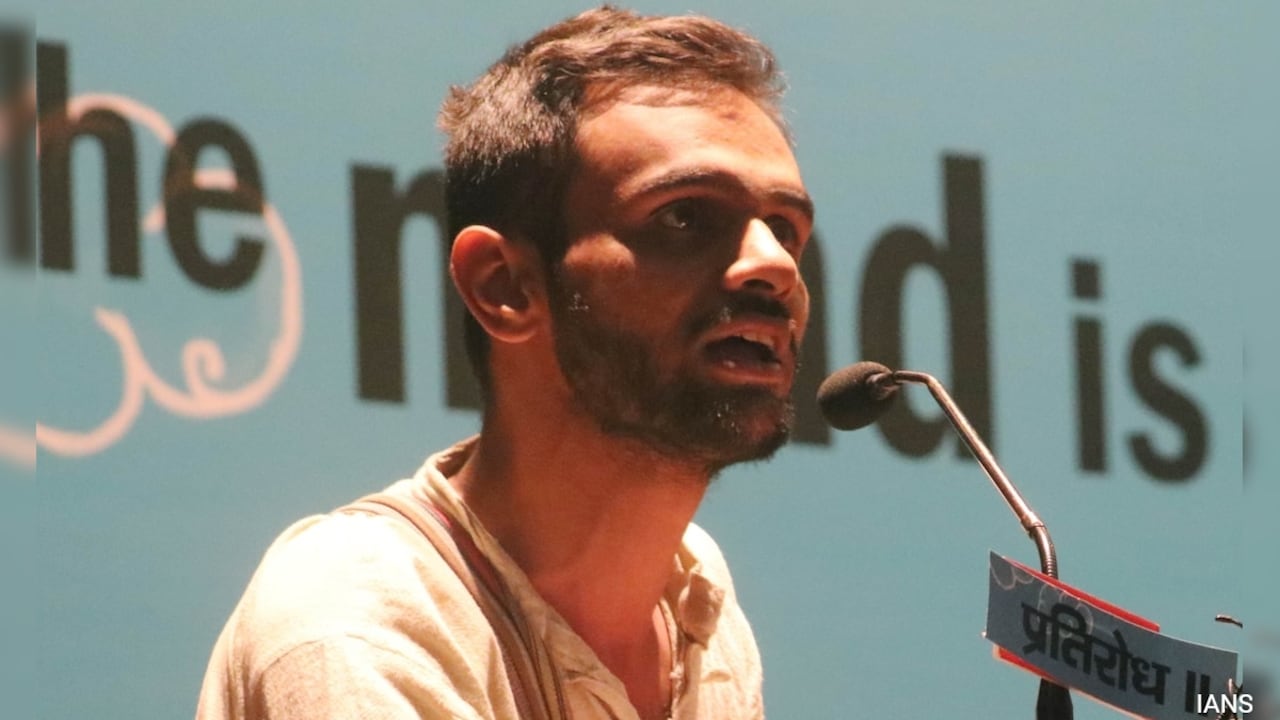
In a significant legal development, a Delhi court has ordered the restoration of two weekly e-mulakats for Umar Khalid, reversing a previous restriction.
Key Takeaways
- A Delhi court has granted relief to Umar Khalid regarding communication rights.
- The court ordered the restoration of two weekly video calls (e-mulakats).
- The decision addresses the reduction of communication facilities previously imposed on the accused.
In a significant legal development, a Delhi court has ruled in favor of Umar Khalid, ordering the restoration of his weekly video call privileges. The court's decision comes after Khalid sought the reinstatement of two weekly 'e-mulakats' (virtual meetings), contending that the facility had been arbitrarily curtailed. This ruling ensures that the accused will once again have the opportunity to connect with his family twice a week via digital means.
The Legal Dispute Over Communication
The crux of the petition lay in the sudden reduction of communication rights. Khalid's legal counsel argued that since his incarceration, he had consistently been permitted two weekly video calls. However, starting from May, this facility was restricted to just one call per week. The defense argued that such restrictions without adequate justification infringe upon the basic rights of a detainee to maintain contact with their legal counsel and family members.
Context of UAPA and Detainee Rights
Umar Khalid, along with others including Imam, is among several individuals booked under the stringent Unlawful Activities (Prevention) Act (UAPA). Cases involving UAPA often bring to the forefront the delicate balance between national security interests and the fundamental rights of individuals held in custody. Legal experts note that while security protocols are paramount, the systematic curtailment of communication can impact a prisoner's ability to prepare a legal defense and maintain mental well-being.
Broader Implications for Judicial Oversight
This judicial intervention serves as a reminder of the role of courts in overseeing the administrative decisions made by prison authorities. By restoring the frequency of video calls, the court has signaled that administrative changes to prisoner facilities must be consistent and legally sound. This decision could potentially set a precedent for other detainees facing similar restrictions on their digital and physical communication rights within the Indian prison system.