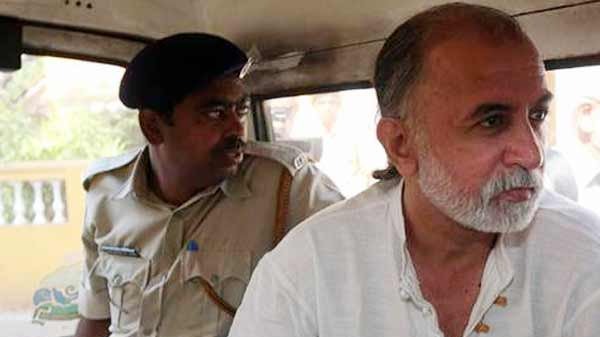
The Bombay High Court's Goa bench begins final arguments in the Goa government's appeal against the acquittal of former Tehelka editor Tarun Tejpal.
Key Takeaways
- The Goa bench of the Bombay High Court hears final arguments in the state's appeal against Tarun Tejpal's acquittal.
- The case stems from a 2013 sexual assault allegation involving the former Tehelka editor.
- The State argues that the trial court misconstrued vital evidence and unfairly scrutinized the complainant.
- The verdict is expected to have significant implications for workplace harassment jurisprudence in India.
Mumbai/Panaji: In a legal battle that has captivated the Indian public for over a decade, the Bombay High Court's Goa bench is set to commence final arguments today in the high-stakes appeal filed by the Goa government. The appeal challenges the acquittal of former Tehelka editor Tarun Tejpal in a 2013 sexual assault case.
The Decade-Long Legal Battle
The genesis of this case dates back to 2013, when allegations of sexual misconduct surfaced, sparking intense media scrutiny and a national conversation on workplace safety. After years of litigation, a trial court had previously acquitted Tejpal, citing a lack of sufficient evidence to sustain the charges. However, the state government moved the High Court, contending that the lower court's judgment was flawed and failed to account for the gravity of the testimony provided.
Core Legal Contention
As the proceedings unfold today, the central debate revolves around the interpretation of evidence. The State of Goa maintains that the trial court erred in its assessment of crucial testimonies and unfairly cast doubt on the credibility of the complainant. Conversely, Tarun Tejpal’s defense counsel asserts that the acquittal was a legally sound decision based on the principle that suspicion, however strong, cannot take the place of legal proof. They argue that the state's appeal lacks the necessary merit to overturn a reasoned acquittal.
Broader Implications for Justice
Beyond the immediate parties involved, this case holds immense significance for the Indian legal landscape. It touches upon the delicate balance between the rights of the accused and the protection of victims in workplace sexual harassment cases. The High Court's final decision will likely serve as a critical precedent regarding how circumstantial evidence and survivor testimonies are weighed in criminal proceedings involving high-profile individuals.