A man in Uttar Pradesh was arrested after allegedly raping a toddler on a moving public bus. Police acted swiftly, filing a case and beginning a thorough investigation. The incident reignites the debate on child safety in public transport across India.
Key Takeaways
- Uttar Pradesh resident detained for alleged sexual assault on a toddler on a moving bus.
- Police swiftly arrested the suspect and filed a detailed case.
- Incident sparks renewed discussion on child safety in public transport.
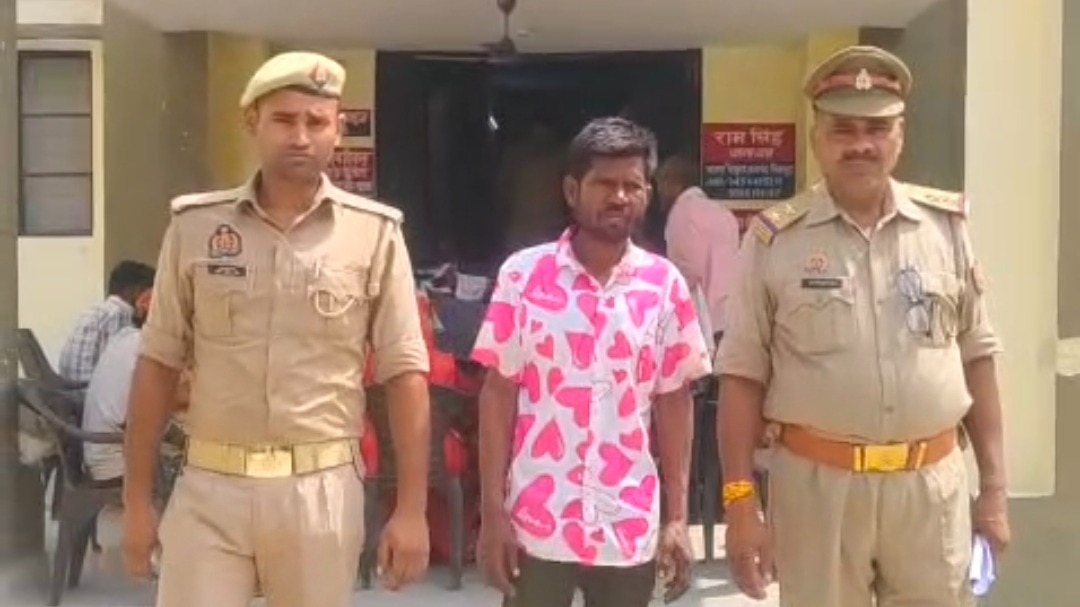
In a small town of Uttar Pradesh, a local resident was taken into custody after being accused of sexually assaulting a two‑year‑old child on a city bus that was in motion. The alleged crime took place during the morning rush hour, when the bus was transporting regular commuters. The child's parents reported the incident to the nearest police station, and based on witness testimonies and video evidence, authorities apprehended the suspect without delay.
Background and Police Response
Public buses are a lifeline in many Indian cities, yet incidents like this expose glaring gaps in safety protocols. Upon receiving the complaint, the Uttar Pradesh police mobilised a rapid response team, reviewing CCTV footage from the bus and interviewing passengers. The suspect was identified through a combination of eyewitness accounts and the bus driver’s statement. After arrest, the accused was presented before the deputy commissioner and charged under the relevant child protection statutes.
Legal Framework and Potential Penalties
Under the Indian Penal Code (IPC), sexual offences against minors carry severe penalties, ranging from ten years of imprisonment to life sentences. Additionally, the Protection of Children from Sexual Offences (POCSO) Act, 2019 mandates a swift, victim‑centred investigation, ensuring that the child receives counseling and medical care. Forensic experts were called to the scene to collect DNA and other evidence, reinforcing the case’s integrity and ensuring that the judicial process remains uncompromised.
Public Reaction and Future Measures
News of the assault spread quickly across social platforms, prompting an outcry for stricter safety measures on public transport. Child welfare NGOs and citizen groups demanded mandatory installation of high‑resolution CCTV cameras on all buses, regular safety training for drivers, and educational programs for children on how to respond to threats. Experts argue that while punitive action is essential, the prevention of such crimes hinges on systemic reforms and heightened community awareness.
Conclusion
This incident underscores the urgent need to reassess security standards within India’s public transport system. While the police’s rapid response deserves commendation, lasting protection for children will require concerted policy changes, technological upgrades, and sustained public engagement. Only a multi‑pronged approach can ensure that tragedies like this become a relic of the past.