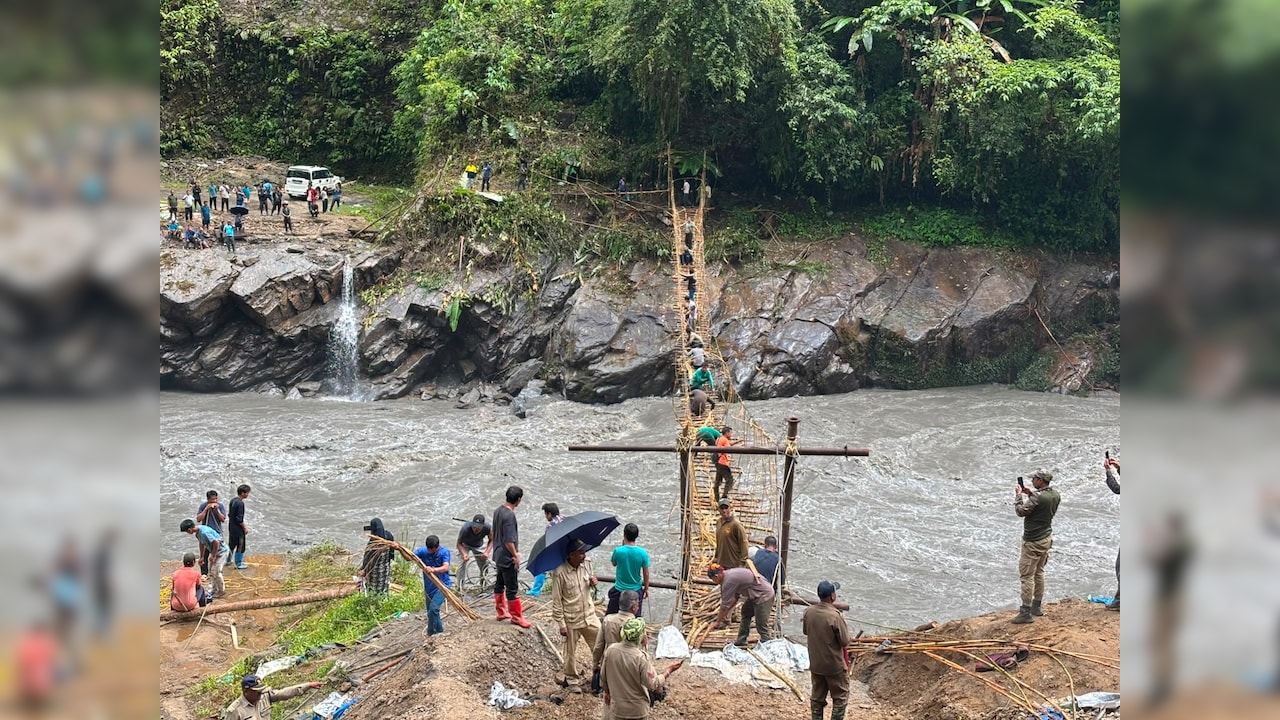
Essential connectivity to the isolated Damin-Huri region in Arunachal Pradesh has been restored following the devastating destruction of a key bridge by sudden flashfloods.
Key Takeaways
- Flashfloods in Arunachal Pradesh severely damaged critical border infrastructure.
- The Damin-Huri region was completely isolated, disrupting essential services.
- Rapid restoration efforts have reopened vital movement for residents and officials.
- The incident highlights the vulnerability of border connectivity to extreme weather.
In a significant development for the border regions of Arunachal Pradesh, essential connectivity has been restored following a period of intense isolation caused by devastating flashfloods. The sudden deluge had wreaked havoc on the local infrastructure, most notably washing away a critical bridge that served as a lifeline for the Damin-Huri area. This destruction had effectively severed all land links, leaving the community vulnerable and cut off from the rest of the state.
The Impact of the Disaster
The scale of the flashfloods was catastrophic for the local geography. With the primary bridge swept away, the movement of residents, essential commodities, and government officials came to a complete standstill. The disruption extended beyond mere inconvenience; it posed a severe threat to emergency services and the supply chain of life-saving medical supplies and food items. In such sensitive border zones, the loss of connectivity also carries significant strategic implications for regional stability and monitoring.
Emergency Response and Restoration
Recognizing the urgency of the situation, local authorities and disaster management teams launched immediate relief operations. Beyond providing direct assistance to those impacted by the floods, the administration prioritized the reconstruction of the link road. Through coordinated efforts, engineers worked to stabilize the area and restore passage, ensuring that the isolation of Damin-Huri was short-lived. This swift action has allowed for the resumption of essential services and the return of administrative oversight to the affected zone.
Looking Ahead: Resilience in the Himalayas
This incident serves as a stark reminder of the growing challenges posed by climate change in the Himalayan belt. The increasing frequency of high-intensity flashfloods necessitates a paradigm shift in how infrastructure is designed and maintained in Arunachal Pradesh. Moving forward, there is an urgent need for climate-resilient engineering that can withstand the volatile weather patterns of the region, ensuring that vital border links remain intact even during extreme environmental events.