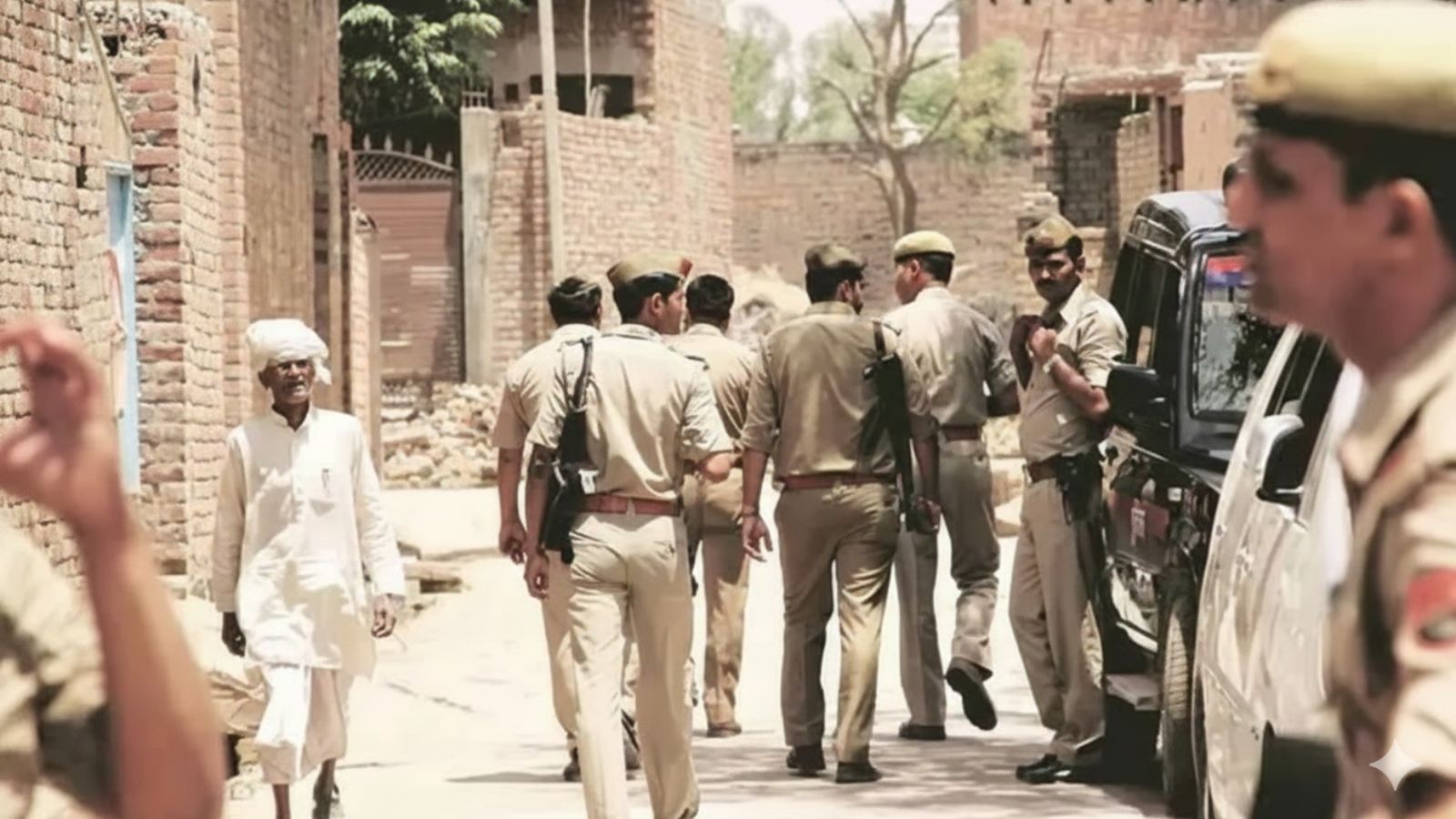
Railway Protection Force (RPF) personnel intercepted a passenger on the Chandigarh-Madurai Express, seizing over 20kg of smuggled cannabis.
Key Takeaways
- RPF personnel intercepted a passenger at Madurai Railway Junction.
- 20.5 kg of dry ganja was recovered from a trolley and a shoulder bag.
- The contraband was suspected to be smuggled from Andhra Pradesh.
- The accused, K. Tarkeswar Bariki, has been handed over to the Tamil Nadu Railway Police.
In a significant blow to narcotics smuggling operations, the Railway Protection Force (RPF) successfully intercepted a large consignment of illegal drugs at the Madurai Railway Junction on Wednesday. The operation targeted a passenger traveling on the Chandigarh-Madurai Express, leading to the recovery of a substantial quantity of cannabis.
The Interception and Discovery
The seizure occurred during a routine security sweep conducted by RPF personnel as the train arrived at the junction. While inspecting the general second-class coach, security officers noticed a passenger, identified as K. Tarkeswar Bariki, exhibiting highly suspicious behavior. His nervous movements prompted the team to conduct a thorough search of his belongings.
Upon inspecting a trolley and a shoulder bag in his possession, officials discovered 10 bundles of dry ganja concealed within. The total weight of the seized contraband was recorded at 20.500 kg.
Smuggling Routes and Investigation
Preliminary investigations suggest that the narcotics were being smuggled from Andhra Pradesh, a region often cited in drug interdiction reports. The use of long-distance trains like the Chandigarh-Madurai Express highlights the attempts by smugglers to bypass traditional checkpoints by utilizing the vast expanse of the Indian Railways network.
Legal Proceedings and Implications
Following the seizure, the RPF handed over the accused to the Tamil Nadu Railway Police for further legal proceedings and interrogation. Authorities are now working to uncover the deeper layers of this smuggling attempt, specifically looking into whether the individual was acting as a solo operative or as part of a larger, organized criminal syndicate operating across state lines.