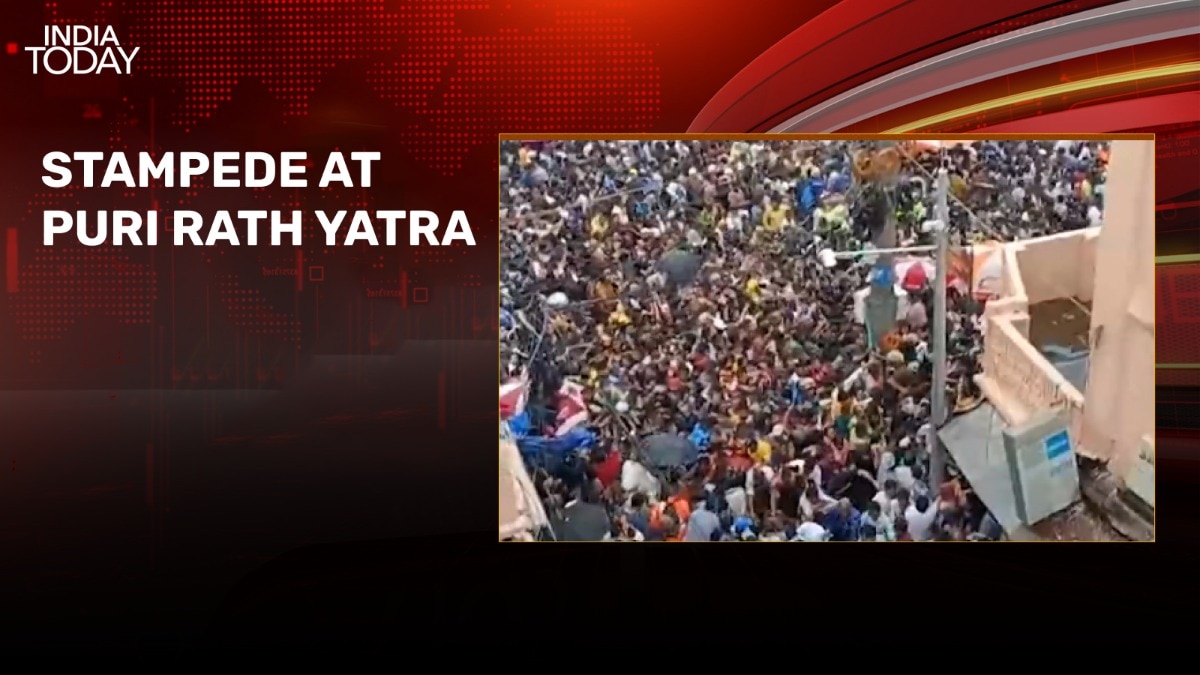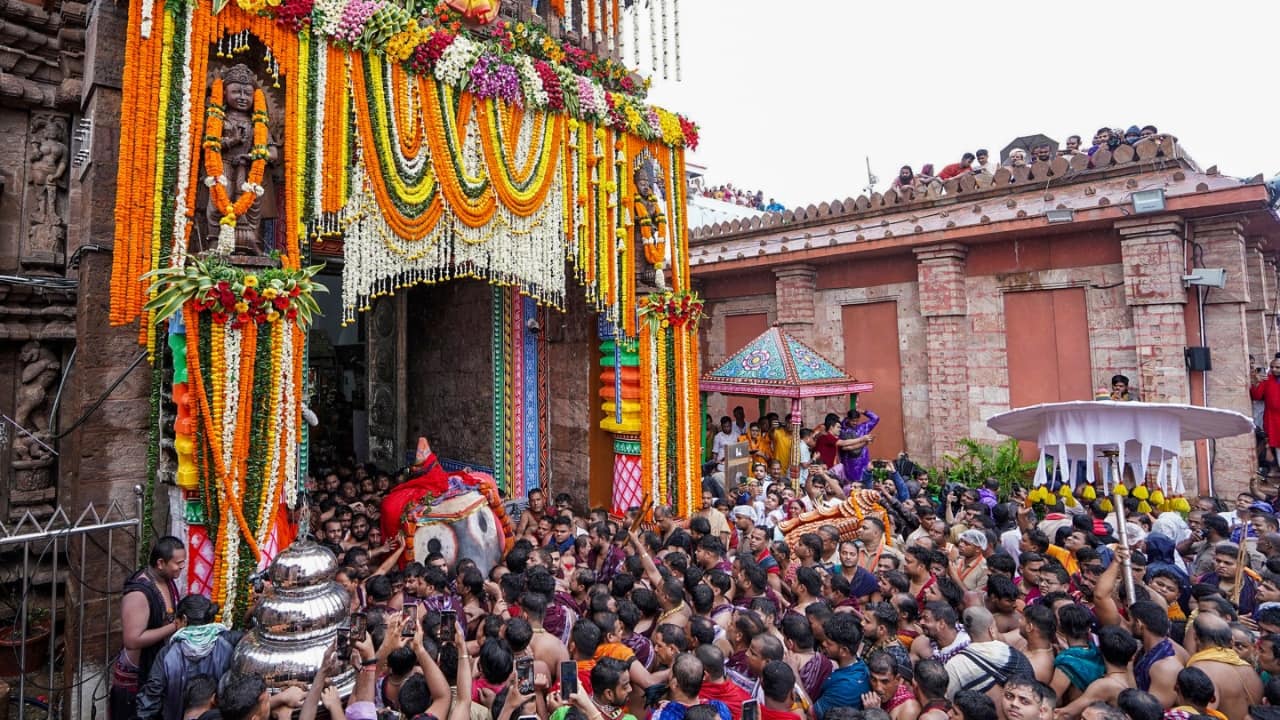
A chaotic stampede during the annual Jagannath Rath Yatra in Puri, Odisha, has reportedly resulted in one fatality and hundreds of injuries. The incident occurred amid heavy rainfall and massive crowds, highlighting critical gaps in crowd management.
Key Takeaways
- One elderly devotee reportedly died due to suffocation during a stampede in Puri.
- Heavy rainfall and failing rope barricades contributed to the chaos at Marichikund Square.
- Nearly 200 people have been treated at hospitals and makeshift medical camps.
- The incident occurred amidst unprecedented crowds during the grand Jagannath Rath Yatra.
The holy coastal town of Puri, Odisha, was gripped by panic on Thursday as a stampede-like situation broke out during the grand Jagannath Rath Yatra. Preliminary reports suggest that one person has died, likely due to suffocation, while hundreds of devotees have sustained injuries ranging from minor bruises to serious trauma.
Chaos at Marichikund Square
The incident unfolded near the Marichikund Square, where the density of the crowd reached a breaking point. Eyewitnesses reported that the outer rope barricades, intended to channel the flow of pilgrims, appeared to give way under the immense pressure. Compounding the danger, relentless rainfall had made the roads extremely slippery, causing several devotees to lose their footing and fall. In the ensuing scramble, approximately 40 to 50 people collapsed on top of one another, triggering a wave of panic throughout the area.
Medical Emergency and Scale of Injuries
The scale of the casualty is significant, with sources claiming that close to 200 people have been admitted to local hospitals and temporary medical camps set up by the administration. Most victims complained of suffocation, exhaustion, and physical injuries caused by the crush. While volunteers and emergency services rushed dozens to nearby medical facilities via ambulances, news of an elderly devotee's demise has cast a shadow over the festivities.
Ritual Delays and Weather Challenges
The annual spectacle, which sees lakhs of devotees descending upon Puri, faced several logistical hurdles. The Pahandi Bije ritual—the ceremonial procession where the deities are moved from the 12th-century Shree Jagannath Temple to their chariots—was delayed by more than two hours. Despite the sacred atmosphere filled with Vedic hymns and traditional music, the combination of unprecedented crowd sizes and adverse weather conditions created a high-risk environment for the pilgrims.
Expert Analysis: The Need for Better Crowd Dynamics
This tragic incident underscores the urgent need for enhanced crowd management protocols during mega-religious events. When massive human gatherings intersect with unpredictable weather patterns, traditional barricading methods may prove insufficient. Future planning must integrate real-time crowd density monitoring and weather-resilient infrastructure to prevent such loss of life.