The Supreme Court has clarified that being excluded from the electoral rolls does not equate to the loss of Indian citizenship. The apex court underscored the limited mandate of the Election Commission regarding citizenship determination.
Key Takeaways
- Removal of a name from the voter list is not grounds for terminating citizenship.
- The Election Commission's mandate is limited to managing electoral rolls, not determining citizenship.
- Citizenship issues must be referred to the appropriate Ministry through established legal channels.
- The Supreme Court has admitted a petition regarding SIR in West Bengal, scheduled for August 25.
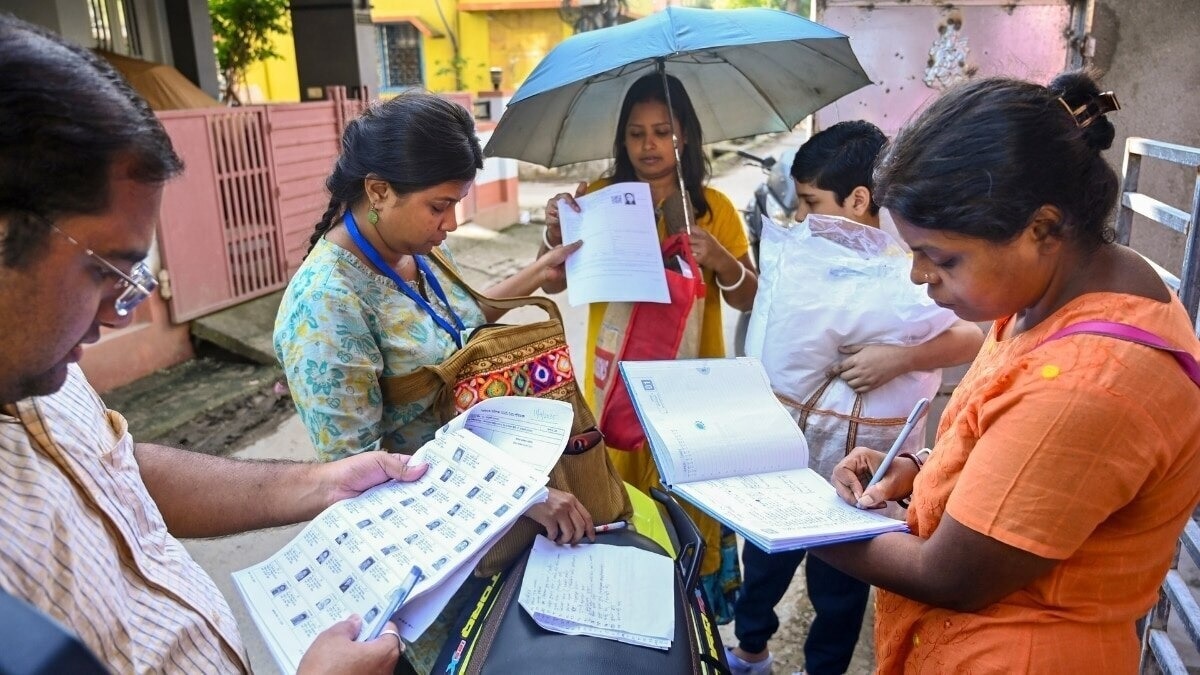
New Delhi: In a landmark observation aimed at preventing legal ambiguity, the Supreme Court of India has ruled that the absence of a person's name from the voter list does not automatically result in the termination of their citizenship. This clarification comes at a crucial time when confusion regarding the Special Identification/Revision (SIR) process has led to widespread anxiety among citizens.
Defining the Mandate of the Election Commission
During the proceedings, the apex court drew a sharp line between electoral administration and the determination of nationality. The bench emphasized that the Election Commission of India possesses the constitutional authority only to control, supervise, and manage the electoral rolls. It does not have the jurisdiction to decide whether an individual is a citizen of the country. The court noted that if a tribunal decides not to include a name in the SIR list, the Election Commission must refer the matter to the relevant Ministry for a formal citizenship determination.
Context of the West Bengal Petition
The ruling was made while hearing a petition concerning the SIR process in West Bengal. The petitioner has sought detailed information categorized by assembly constituencies. The Supreme Court has admitted the plea and scheduled the next hearing for August 25. This legal intervention is seen as a vital step in ensuring that administrative revisions do not bypass the due process of law required to strip an individual of their national identity.
Addressing Ground-Level Vulnerabilities
The legal discourse also highlights the socio-political tensions surrounding identity verification. Recent reports, including a viral video from Jharkhand, suggested that local officials were allegedly extorting small sums of money from citizens under the guise of SIR form processing, claiming it was necessary to 'protect' their citizenship. By clarifying the legal hierarchy, the Supreme Court has provided a judicial safeguard against such administrative overreach and the exploitation of vulnerable populations.