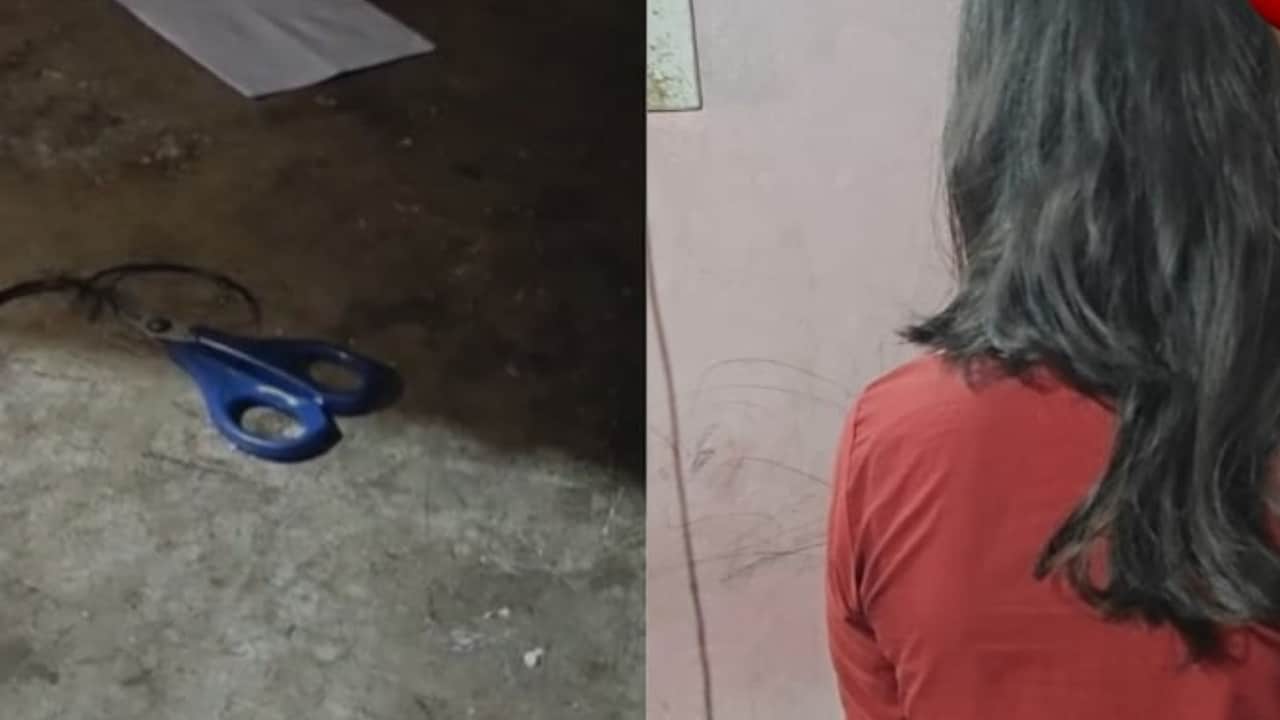
Two separate thefts in mid‑July have ignited rumors of a mysterious ‘Hair‑Chopping’ gang operating in a Bihar village. Authorities now face pressure to accelerate investigations and bolster local security measures.
Key Takeaways (मुख्य बिंदु)
- First robbery reported on July 8, second on July 16.
- Residents suspect a dangerous ‘Hair‑Chopping’ gang, locally called “Baal Katarva”.
- Urgent calls for stronger security and faster police investigation.
In a small Bihar village, two distinct robberies occurred eight days apart, prompting locals to believe a shadowy ‘Hair‑Chopping’ gang—referred to as “Baal Katarva”—is active in the area. The first incident, reported on July 8, involved two young men breaking into a house at night and fleeing with valuables. The second, on July 16, saw a similar forced entry, with thieves again stealing belongings and threatening victims with hair‑cutting intimidation, heightening community anxiety.
Historical Background
Over the past few years, Bihar has seen multiple references to gangs using the moniker ‘Baal Katarva’ or similar “hair‑cutting” threats. In 2019, a comparable group terrorized several villages, prompting the state to deploy special security forces. Such gangs typically emerge from a mix of rural unemployment, social marginalisation, and power vacuums, with the dramatic name serving to amplify fear among villagers.
Local media often frames these incidents as broader “village security” concerns, pressuring political leaders to act swiftly. Consequently, the term “Baal Katarva” has evolved from a specific criminal label into a symbol of the larger challenge of maintaining law and order in remote Indian regions.
"These gangs thrive where social inequality meets weak law enforcement; community engagement and rapid investigations are essential to curb them," says criminology expert Dr. Anita Singh.
Why This Matters (इसके मायने क्या हैं)
BozokMedia analysis shows that erosion of safety perception in rural areas not only destabilises daily life but also hampers local economies. When residents feel unsafe, they limit travel for trade, education, and healthcare, stalling overall development.
Furthermore, the rise of such gangs highlights gaps in policy implementation and policing. If investigative response remains sluggish, these criminal networks can gain strength, escalating social tension and crime rates across the region.
Frequently Asked Questions (अक्सर पूछे जाने वाले प्रश्न)
Q1: Has the police launched any special measures to apprehend the “Hair‑Chopping” gang?
A: Authorities have deployed additional investigative teams, increased night patrols, and are urging villagers to share any intelligence that could lead to arrests.
Q2: How are villagers coping with the ongoing threat?
A: Community groups are organising safety meetings, demanding better street lighting, and pressing local officials for a faster response and stronger security infrastructure.
