Strict prohibitory orders have been imposed in the New Delhi district ahead of a planned protest march to Parliament. The DCP warned that any violations of Section 163 BNSS would lead to immediate prosecution and legal action.
Key Takeaways
- Prohibitory orders under Section 163 BNSS have been enforced in New Delhi.
- The planned march to Parliament has been denied official permission.
- Violators will face strict prosecution and immediate legal action by Delhi Police.
In a preemptive move to maintain law and order, the Delhi Police has imposed strict prohibitory orders in the New Delhi district. According to an official communication from the Deputy Commissioner of Police (DCP), Section 163 of the Bharatiya Nagarik Suraksha Sanhita (BNSS)—which has replaced the erstwhile Section 144 of the CrPC—is currently in effect. This decision comes in light of a planned protest march toward the Parliament building by various groups.
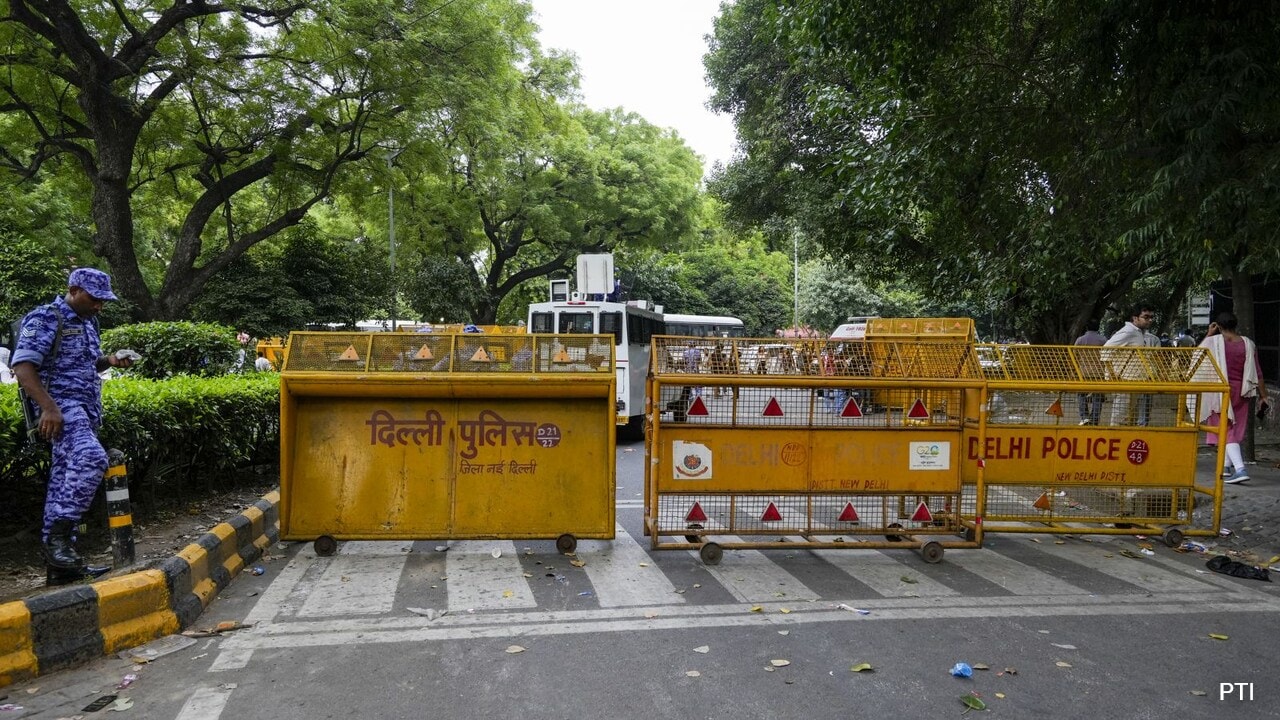
The authorities have made it clear that no unauthorized gatherings, demonstrations, or marches will be permitted in the highly sensitive VVIP zone. Security has been beefed up across all major entry points to the New Delhi district, with multi-layered barricades and additional police personnel deployed to prevent any untoward incidents.
| Feature | Old Provision (Section 144 CrPC) | New Provision (Section 163 BNSS) |
|---|---|---|
| Code Name | Code of Criminal Procedure (CrPC), 1873 | Bharatiya Nagarik Suraksha Sanhita (BNSS), 2023 |
| Implementation | British-era legacy legal framework | Modernized Indian legal framework (effective July 1, 2024) |
| Scope of Power | Power to issue orders in urgent cases of nuisance or danger | Retains core powers with streamlined procedural execution |
Why This Matters
BozokMedia analysis shows that the transition from CrPC to BNSS represents not just a nomenclature change but a stricter enforcement regime in the national capital. The frequent imposition of such prohibitory measures highlights the delicate balance the administration must strike between upholding national security and respecting the democratic right to peaceful protest.
For the general public, this development translates into heightened security checks and potential traffic diversions around central Delhi, particularly near Sansad Marg, India Gate, and Connaught Place. Commuters have been advised to plan their travel well in advance and stay updated with traffic advisories issued by the Delhi Traffic Police.
"Maintaining public order in the national capital is paramount, but a delicate balance must be struck to respect the constitutional right to peaceful assembly." — Legal Expert
Historical Background
The legal landscape of India underwent a historic transformation on July 1, 2024, when three new criminal laws—the Bharatiya Nyaya Sanhita (BNS), Bharatiya Nagarik Suraksha Sanhita (BNSS), and Bharatiya Sakshya Adhiniyam (BSA)—came into effect, replacing the colonial-era IPC, CrPC, and Indian Evidence Act. Section 163 of the BNSS grants magistrates the power to restrict assembly to prevent obstruction, annoyance, or injury to any person lawfully employed, or danger to human life, health, or safety.
Frequently Asked Questions
Q1: What is Section 163 of the BNSS?
Answer: Section 163 of the BNSS is the modern equivalent of Section 144 of the CrPC. It empowers magistrates to issue prohibitory orders, restricting the assembly of five or more people to maintain public peace and order.
Q2: Will public transport be affected by these restrictions?
Answer: While public transport and metro services generally run normally, specific station gates near the Parliament or protest venues may be closed temporarily for security reasons.