Devastating monsoon rains have claimed at least 16 lives across North and East India, with Jammu and Kashmir being the hardest hit. The IMD has predicted active monsoon conditions and heavy downpours over North, East, and Northeast India for the next 6-7 days.
Key Takeaways
- At least 16 people have lost their lives due to rain-related incidents across North and East India.
- Jammu and Kashmir's Poonch and Rajouri districts reported 11 deaths following flash floods and landslides.
- The India Meteorological Department (IMD) has forecast active monsoon conditions for the next 6-7 days.
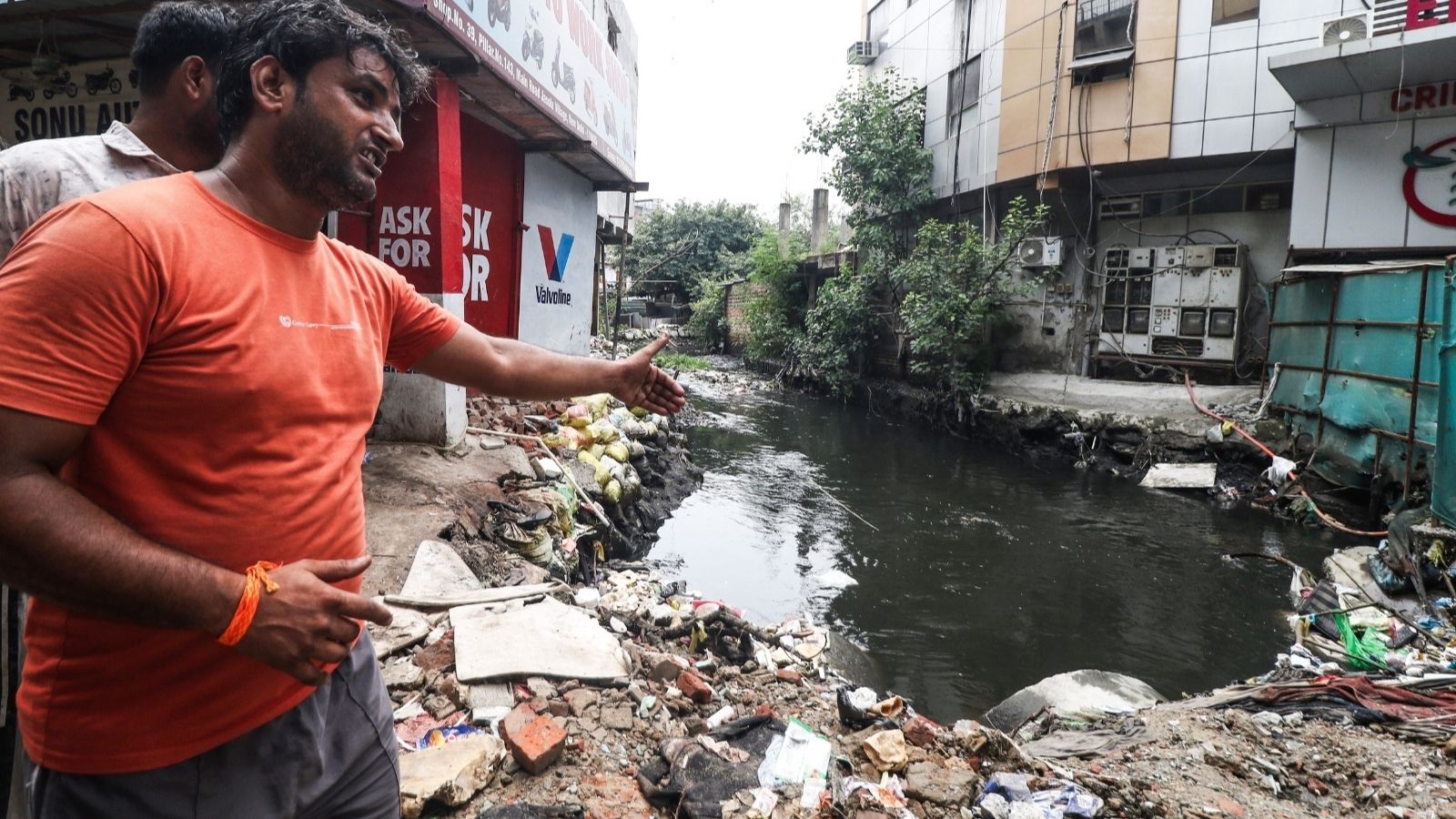
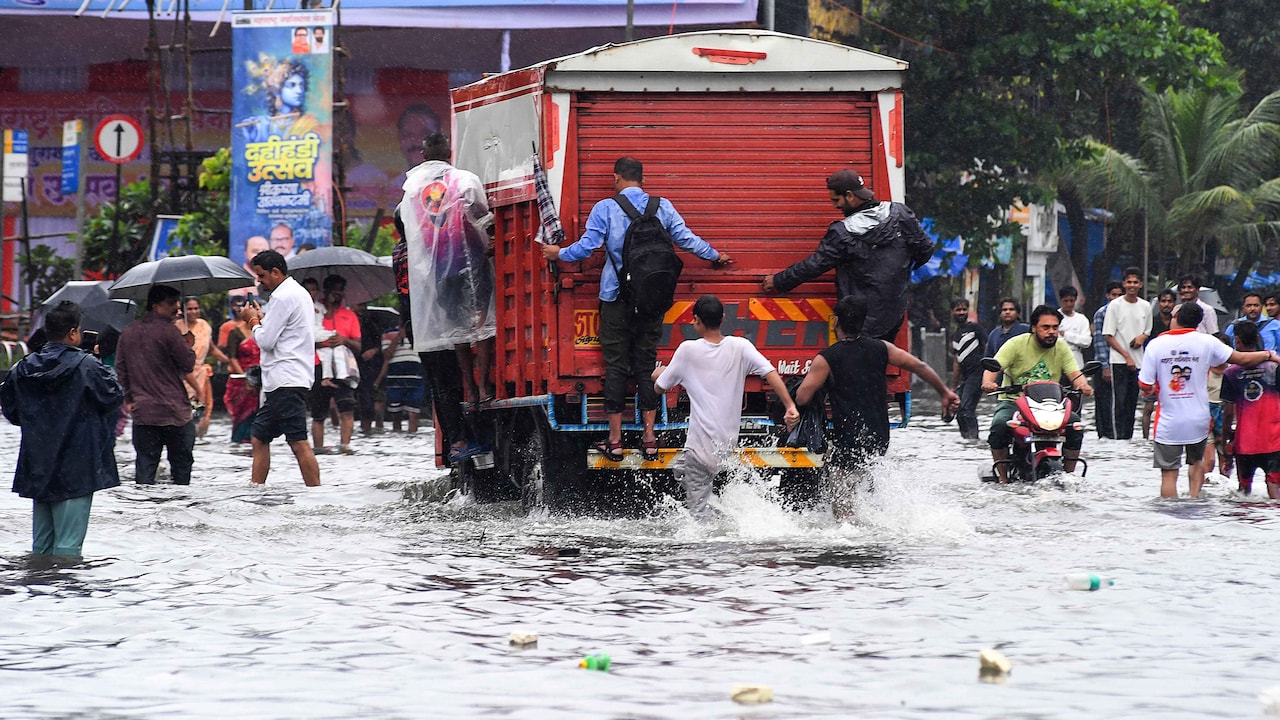
The South-West monsoon has unleashed its full fury across Northern and Eastern India, bringing torrential rains that have disrupted normal life and triggered widespread destruction. Over the past 24 hours, at least 16 people have lost their lives in various rain-related incidents. Rivers are flowing above the danger mark, triggering flood alerts in low-lying residential areas and agricultural zones.
The union territory of Jammu and Kashmir emerged as the worst-hit region. Torrential rains triggered massive landslides and sudden flash floods in the twin border districts of Poonch and Rajouri, claiming at least 11 lives. Several others remain missing, prompting a massive, multi-agency rescue operation involving the Indian Army, SDRF, and local police forces to locate survivors under the debris.
Historical Background
The Himalayan terrain of Jammu and Kashmir has historically been highly susceptible to landslides and flash floods due to its fragile young fold mountain topography. However, over the last decade, climate change has accelerated the frequency of extreme weather events, such as cloudbursts and high-intensity short-duration rainfall. The steep slopes of Poonch and Rajouri make them ecological hotspots where minor soil instability can escalate into catastrophic mudslides.
Why This Matters
According to BozokMedia analysis, the combination of rapid, often unplanned, infrastructural development in ecologically sensitive mountain zones and escalating climate change has significantly increased the frequency of these natural disasters. This situation not only disrupts local livelihoods and tourism but also threatens strategic military and civilian connectivity in crucial border regions.
Furthermore, these erratic weather patterns severely impact the agricultural cycle in the plains. Unprecedented rainfall leading to crop damage could trigger inflationary pressures on essential food commodities in the coming quarters. Governments must transition from reactive disaster management to proactive, climate-resilient urban and rural planning.
"Climate change has drastically altered monsoon dynamics; highly concentrated, heavy rainfall events are becoming the new normal, demanding more localized and agile disaster management strategies." - Meteorological Expert
| Region | Key Challenges | Mitigation Measures |
|---|---|---|
| Hilly Terrains (J&K, Himachal) | Landslides, Flash Floods, Infrastructure Damage | Early Warning Systems, Controlled Construction, Afforestation |
| Plains (North & East India) | Waterlogging, Crop Damage, Waterborne Diseases | Advanced Drainage, Flood-Resilient Farming, Rapid Relief |
Frequently Asked Questions (FAQs)
Q1: Which districts in Jammu and Kashmir are the worst affected by the recent rains?
A1: The twin border districts of Poonch and Rajouri are the worst hit, suffering heavy casualties and severe infrastructure damage due to flash floods and landslides.
Q2: What is the IMD's weather forecast for the upcoming week?
A2: The IMD has forecast highly active monsoon conditions with heavy to very heavy rainfall across North, East, and Northeast India for the next 6-7 days.