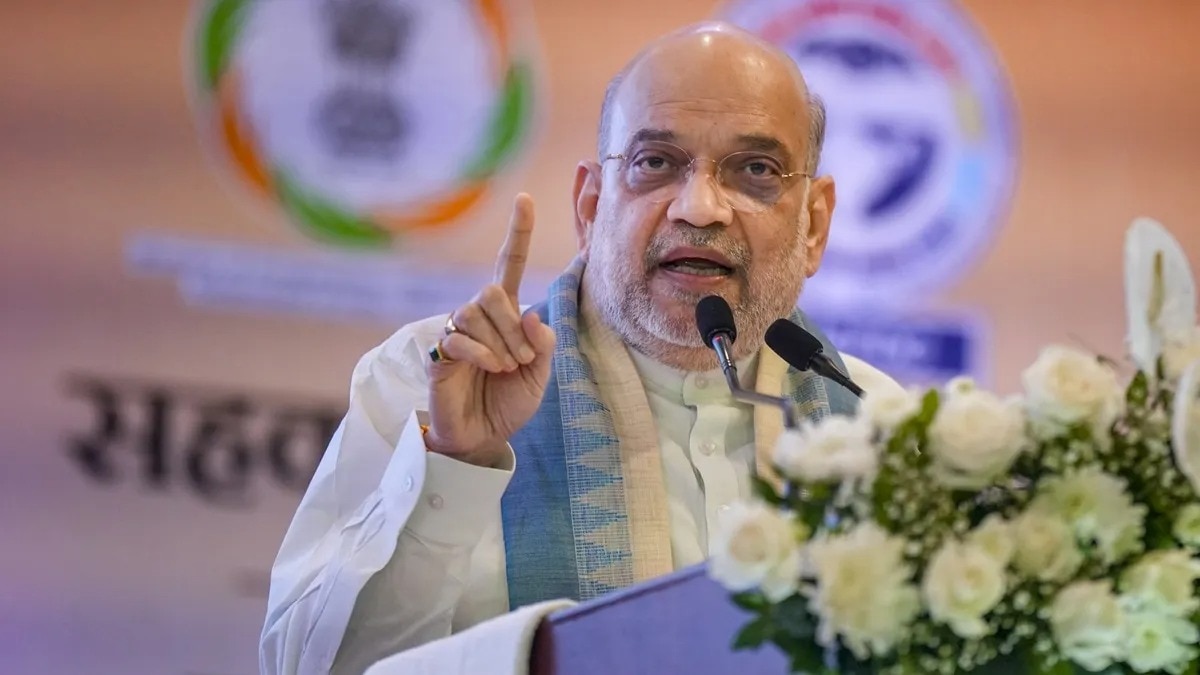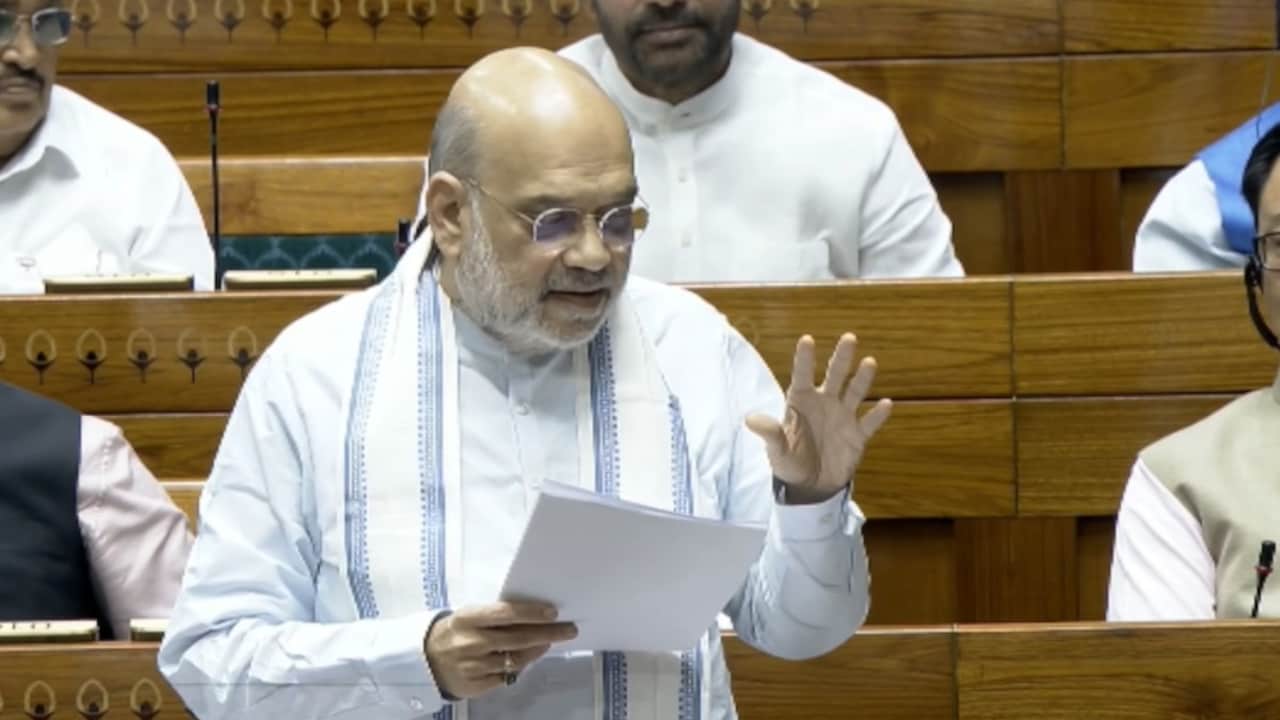
The Central Government is set to introduce 'The Prevention of Insults to National Honour (Amendment) Bill, 2026' in the Rajya Sabha. The proposed legislation aims to grant 'Vande Mataram', the national song, equal legal protection against desecration as the national anthem.
Key Takeaways
- Union Home Minister Amit Shah will introduce the Prevention of Insults to National Honour (Amendment) Bill, 2026 in the Rajya Sabha.
- The bill seeks to elevate the legal status of the national song, 'Vande Mataram', to match that of the national anthem, 'Jana Gana Mana'.
- Once passed, any deliberate disrespect or insult to 'Vande Mataram' will attract severe penal consequences, including imprisonment.
In a significant legislative move aimed at safeguarding national heritage, the Central Government of India is poised to introduce 'The Prevention of Insults to National Honour (Amendment) Bill, 2026' in the Rajya Sabha. Union Home Minister Amit Shah has listed the bill on the upper house's agenda. The proposed amendment intends to address a long-standing legal disparity by providing the national song, 'Vande Mataram', with the same level of statutory protection currently enjoyed by the national anthem.
Historical Background
The original Prevention of Insults to National Honour Act, 1971, was enacted to penalize desecration of the National Flag, the Constitution, and the National Anthem. However, the 'National Song' was historically left out of its explicit penal provisions. Composed by the legendary scholar Bankim Chandra Chattopadhyay in the 1870s and featured in his seminal novel 'Anandamath', 'Vande Mataram' served as the primary anthem of India's freedom struggle against British colonial rule. While the Constituent Assembly in 1950 declared that 'Vande Mataram' should be honored equally with 'Jana Gana Mana', it lacked the legislative teeth to prosecute acts of disrespect until this proposed amendment.
| Category | Current Legal Status (1971 Act) | Proposed Status (2026 Amendment) |
|---|---|---|
| National Anthem (Jana Gana Mana) | Fully protected; up to 3 years of imprisonment or fine for disrespect. | Remains fully protected under existing laws. |
| National Song (Vande Mataram) | No explicit penal provision for disrespect or insult. | Equated with the National Anthem; insult made a punishable criminal offense. |
Why This Matters
BozokMedia analysis shows that this legislative amendment will have a profound impact on India's socio-political discourse. By elevating 'Vande Mataram' to the same legal pedestal as the National Anthem, the government is reinforcing a unified code of national respect. Over the years, multiple public controversies and legal petitions have emerged regarding the mandatory singing or respect shown to the national song. This bill is expected to settle the legal ambiguity once and for all, bringing any deliberate act of dishonor under direct judicial scrutiny.
Furthermore, BozokMedia analysis indicates that while the bill will resonate strongly with nationalist sentiments, it is likely to trigger a robust debate in Parliament. Opposition parties and civil liberties advocates may raise concerns regarding the potential misuse of the law and its impact on the freedom of speech and expression. Nevertheless, the move marks a historic milestone in codifying the reverence due to the song that fueled India's march toward independence.
"Elevating Vande Mataram to the same legal status as the National Anthem bridges a historic legislative gap, but its implementation must carefully balance national pride with constitutional freedoms."
Frequently Asked Questions
Q1: What is the main objective of the Prevention of Insults to National Honour (Amendment) Bill, 2026?
Answer: The primary objective is to make any deliberate insult or disrespect to India's national song, 'Vande Mataram', a criminal offense, bringing its legal protection on par with the national anthem.
Q2: What are the penalties for insulting national honors under the current Indian law?
Answer: Under the 1971 Act, preventing the singing of the national anthem or causing disturbance to an assembly engaged in such singing carries a penalty of up to three years of imprisonment, a fine, or both. The new bill will extend similar penalties to offenses against the national song.