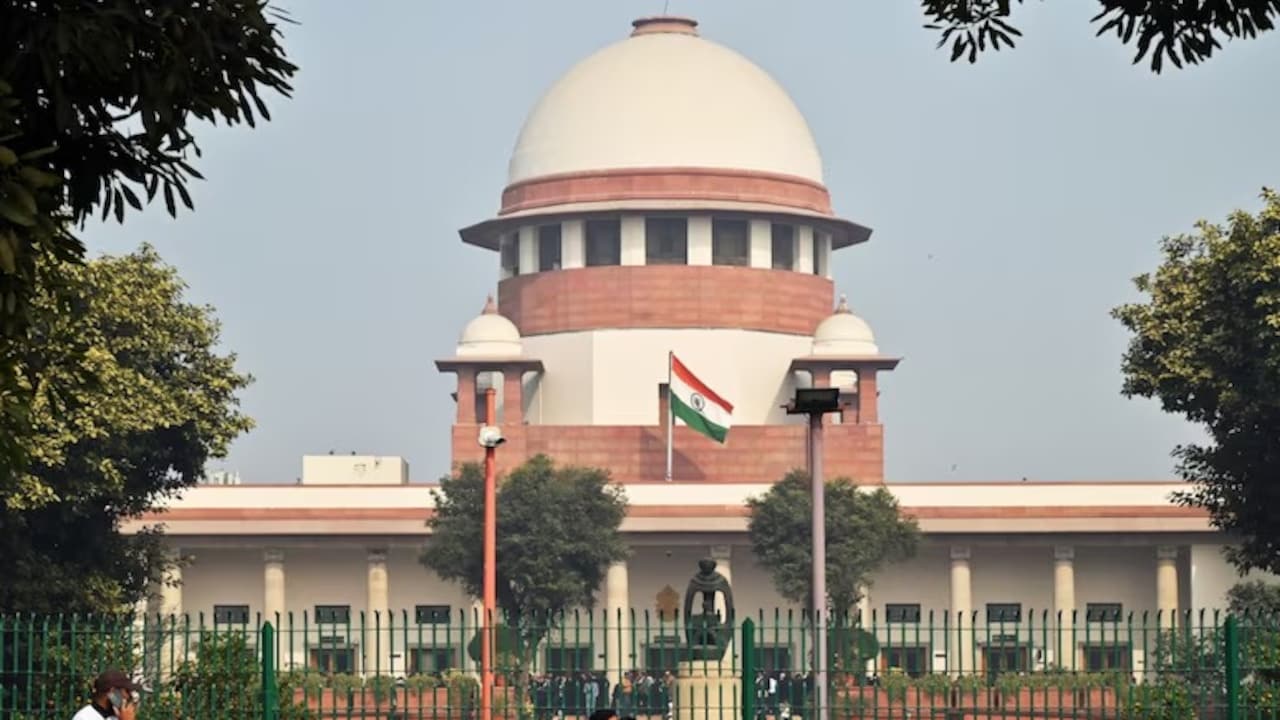
The Court clarified that vulgar words alone do not constitute obscenity under IPC Section 294, narrowing the law to target only public indecency.
Key Takeaways (मुख्य बिंदु)
- The Supreme Court ruled abusive language isn’t criminal under Section 294
- Section 294 now targets only public indecency
- Freedom of speech gains a significant boost
New Delhi – On June 29, 2024, the Supreme Court of India delivered a landmark judgment stating that abusive or vulgar language does not amount to “obscenity” under Section 294 of the Indian Penal Code. The ruling clarifies that the statute, originally intended to curb public indecency, cannot be employed to punish mere profanity.
In its reasoning, the Court emphasized that “obscenity” should be confined to material or conduct that seriously offends public morality, not simply coarse words. Citing precedents such as *Brij Bhushan v. State* and *Mohan Lal v. State*, the bench underscored that a criminal provision must target conduct that has a tangible impact on societal standards.
Historical Background: Since its enactment in 1860, Section 294 has been the subject of divergent judicial interpretations. In the 1972 case *R. v. State*, the Court upheld convictions for profanity, while the 2010 *Shreya v. Union* decision leaned toward protecting expressive freedom. The current judgment bridges these opposing views by recognizing that profanity, absent a demonstrable public harm, falls outside the ambit of obscenity.
Why This Matters (इसके मायने क्या हैं)
According to BozokMedia analysis, the decision strengthens democratic discourse by reducing the chilling effect on journalists, artists, and everyday citizens. With clearer legal boundaries, public debate can become more vibrant and less constrained by fear of prosecution.
From an economic standpoint, media houses and advertisers stand to benefit from reduced litigation risk when crafting content. Moreover, digital platforms may revise moderation policies, aligning them with the Court’s nuanced definition of public indecency rather than blanket profanity bans.
"This ruling underscores the maturity of India’s free‑speech jurisprudence," says constitutional law expert Prof. Ajay Singh.
| Aspect | Pre‑SC Ruling | Post‑SC Ruling |
|---|---|---|
| Legal status of profanity | Considered obscene and punishable | Not criminal; protected under free speech |
| Application of Section 294 | Used against vulgar language | Limited to public indecency only |
Frequently Asked Questions (अक्सर पूछे जाने वाले प्रश्न)
Can profanity ever be punishable under Indian law? Yes, if it is part of conduct that constitutes public indecency as defined by Section 294.
Does this ruling affect online content moderation? Absolutely; platforms will now need to distinguish between mere profanity and content that truly violates public decency standards.