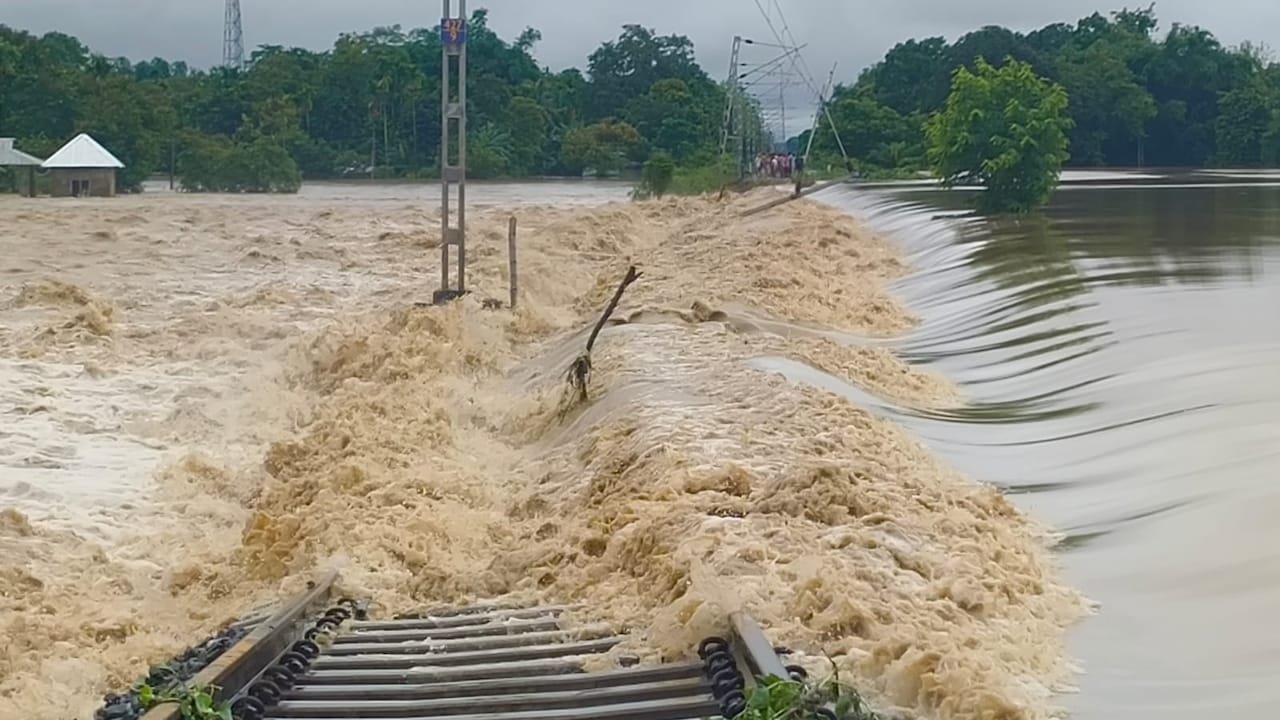
Assam faces a worsening flood crisis with 10 confirmed deaths and over 3.62 lakh people displaced or affected as waters submerge residential and agricultural lands.
Key Takeaways
- The death toll from the current Assam floods has risen to 10.
- More than 3.62 lakh people have been impacted by the rising water levels.
- Residential areas and vast agricultural stretches in Upper Assam are submerged.
- Severed road connectivity is isolating several regions from essential services.
The flood situation in Assam has taken a grim turn as heavy monsoon rains continue to lash the state. In several parts of Upper Assam, floodwaters have breached embankments and entered residential settlements, causing widespread panic. According to the latest reports, the death toll has climbed to 10 individuals, marking a tragic escalation in this year's monsoon season. The scale of the disaster is immense, with approximately 3.62 lakh people currently affected by the deluge.
The inundation has not only threatened human lives but has also devastated the livelihood of thousands. Vast stretches of agricultural land have been submerged, leaving farmers in a state of despair as crops are destroyed. Furthermore, the flooding of critical transport routes has severed road connectivity, cutting off remote communities from medical aid and essential supplies.
Why This Matters (इसके मायने क्या हैं)
BozokMedia analysis shows that the recurring nature of floods in Assam is a significant drag on the state's socio-economic development. When agricultural lands are submerged, it doesn't just affect local farmers; it disrupts the entire regional food supply chain and reduces the economic output of the state, leading to long-term poverty cycles.
Moreover, the destruction of infrastructure, such as roads and bridges, imposes a massive fiscal burden on the government for reconstruction. The interruption of connectivity creates a 'bottleneck effect' where relief supplies cannot reach the most vulnerable populations in time, highlighting the urgent need for climate-resilient infrastructure and more sophisticated early warning systems.
Addressing Assam's flood crisis requires a shift from reactive disaster management to proactive, landscape-based river management strategies.
Historical Background
Assam has been battling the fury of the Brahmaputra River for centuries. As one of the largest river systems in the world, the Brahmaputra carries massive amounts of silt and water, which frequently causes the river to change its course or overflow its banks during the monsoon. Historically, the state has faced cyclical flooding, but recent shifts in global weather patterns and increased deforestation have exacerbated the severity and unpredictability of these annual disasters.
| Metric | Previous Trends | Current Flood Situation |
|---|---|---|
| Casualties | Variable | 10 confirmed deaths |
| Affected Population | Localized | 3.62 Lakh+ |
| Connectivity | Functional | Severed in Upper Assam |
Frequently Asked Questions (अक्सर पूछे जाने वाले प्रश्न)
Question 1: Which parts of Assam are most critically affected right now?
Answer: Upper Assam is currently facing the most critical situation, with water entering homes and fields.
Question 2: How many people have been impacted by the floods so far?
Answer: Recent reports indicate that approximately 3.62 lakh people have been affected.