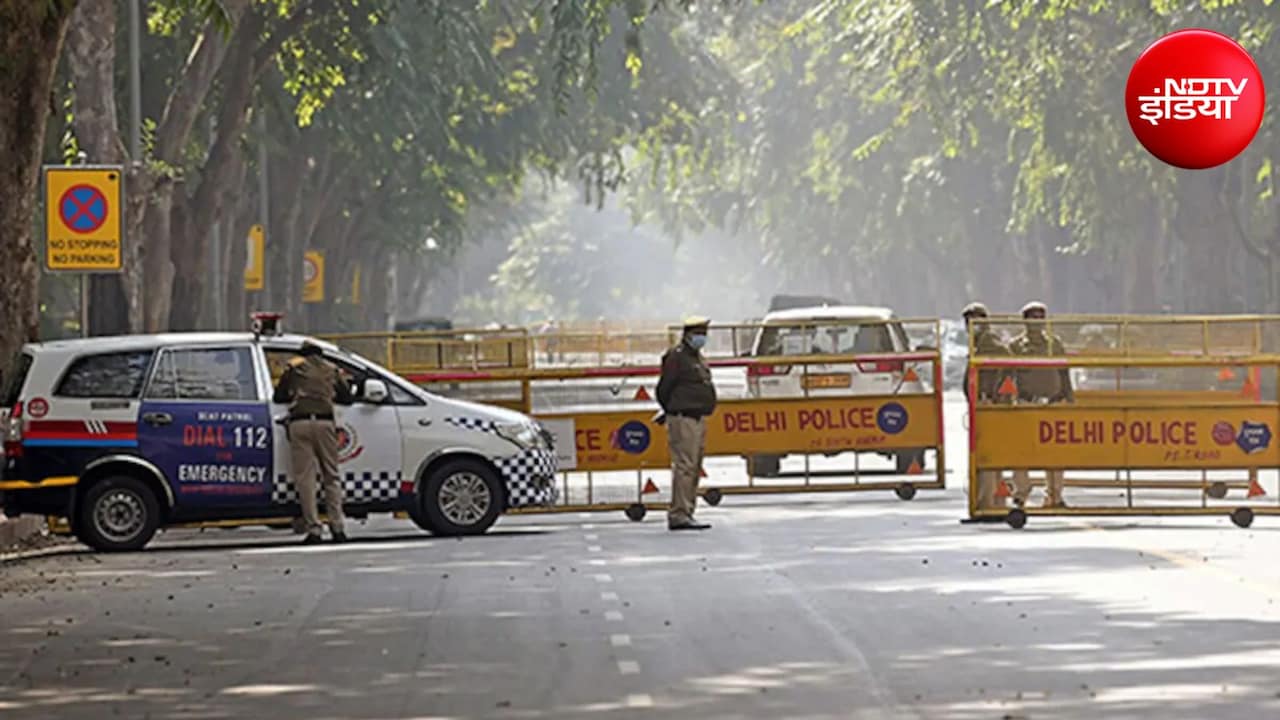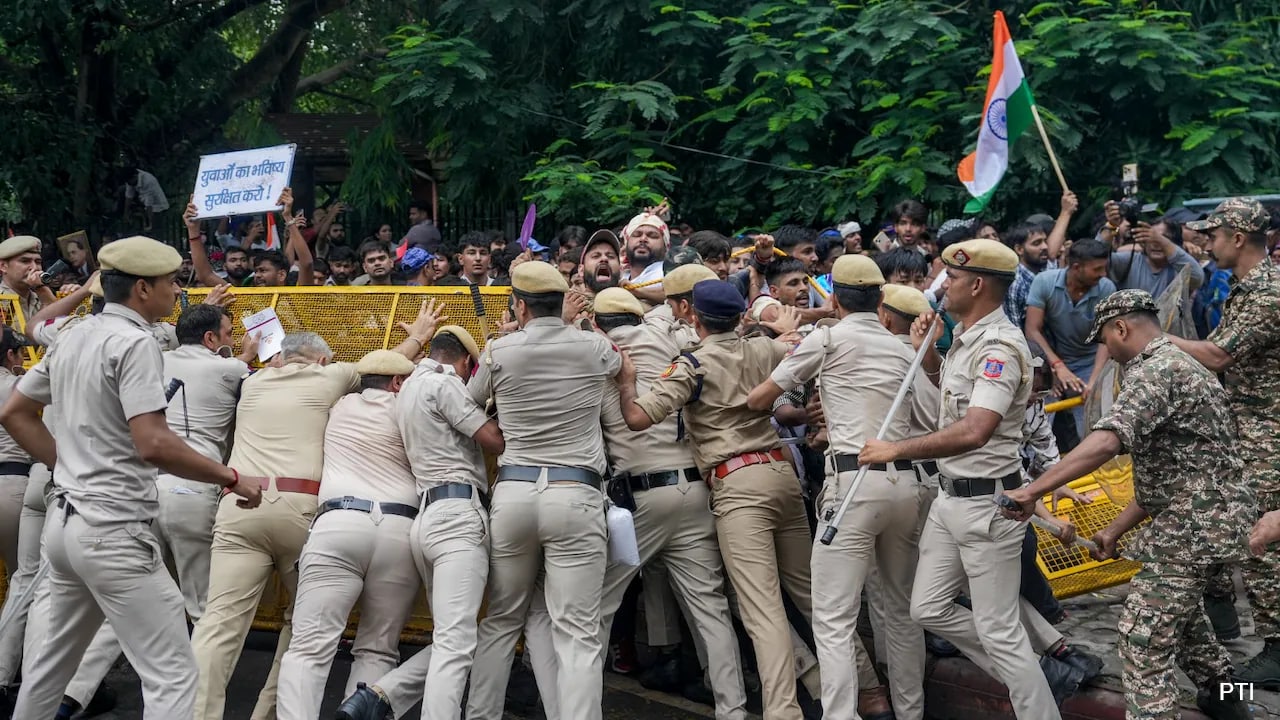
Delhi Police resorted to lathicharge on CJP supporters attempting a 'Chalo Sansad' march to protest against alleged NEET irregularities. The national capital witnessed chaotic scenes as protesters clashed with security forces.
Key Takeaways
- CJP supporters organized a 'Chalo Sansad' march protesting against alleged NEET irregularities.
- Delhi Police used force and lathicharge to disperse the marching crowd near Parliament.
- The demonstration aimed to demand comprehensive reforms in India's education sector.
High drama and chaos unfolded in the national capital as Delhi Police resorted to a lathicharge on supporters of the Cockroach Janta Party (CJP). The protesters were attempting to march towards the Parliament under the banner of 'Chalo Sansad' to voice their anger against alleged irregularities in the NEET examinations and to demand immediate reforms in the education sector.
Heavy security barricades were erected to halt the march, but tension escalated as the crowd tried to push through. According to eyewitnesses, police used water cannons and batons to disperse the agitated demonstrators, leading to a stampede-like situation on the streets. Several key members and protesters were detained during the clash.
| Party | Protesters' Demands | Administration's Stand |
|---|---|---|
| CJP & Student Bodies | CBI probe into NEET issues and immediate educational reforms. | Maintaining law and order; stopping unpermitted marches. |
| Government & Police | Measures are being taken to ensure transparency in exams. | Preventing disruption of public movement and securing sensitive zones. |
Why This Matters
BozokMedia analysis shows that the recurring allegations of malpractice in national-level examinations have pushed the future of millions of students into absolute uncertainty. This protest is not merely a political event; it highlights a deeper crisis of credibility plaguing India's premium examination bodies and educational administration.
Such public outbursts of anger put immense pressure on the administration to implement systemic overhauls. Failing to address these grievances timely could lead to widespread alienation among the youth, potentially disturbing the socio-political equilibrium of the country.
"Transparency in national examinations is not just an administrative duty, but a vital trust agreement between the state and its youth." - Dr. R.K. Sharma, Educationist
Historical Background
The National Eligibility cum Entrance Test (NEET) has been under intense scrutiny over the past few years due to allegations of paper leaks, technical errors, and grace mark discrepancies. The Supreme Court of India has frequently intervened to ensure fair play. Student organizations argue that the highly centralized nature of the exam makes it vulnerable to systemic manipulation, calling for decentralized alternatives.
Frequently Asked Questions
Q1: What was the primary objective of CJP's 'Chalo Sansad' march?
A1: The march was organized to protest against alleged discrepancies in the NEET exams and to demand structural reforms in India's education sector.
Q2: Why did the police resort to lathicharge?
A2: According to the police, the protesters tried to breach security barricades and enter prohibited areas without prior permission, necessitating the use of force to maintain order.