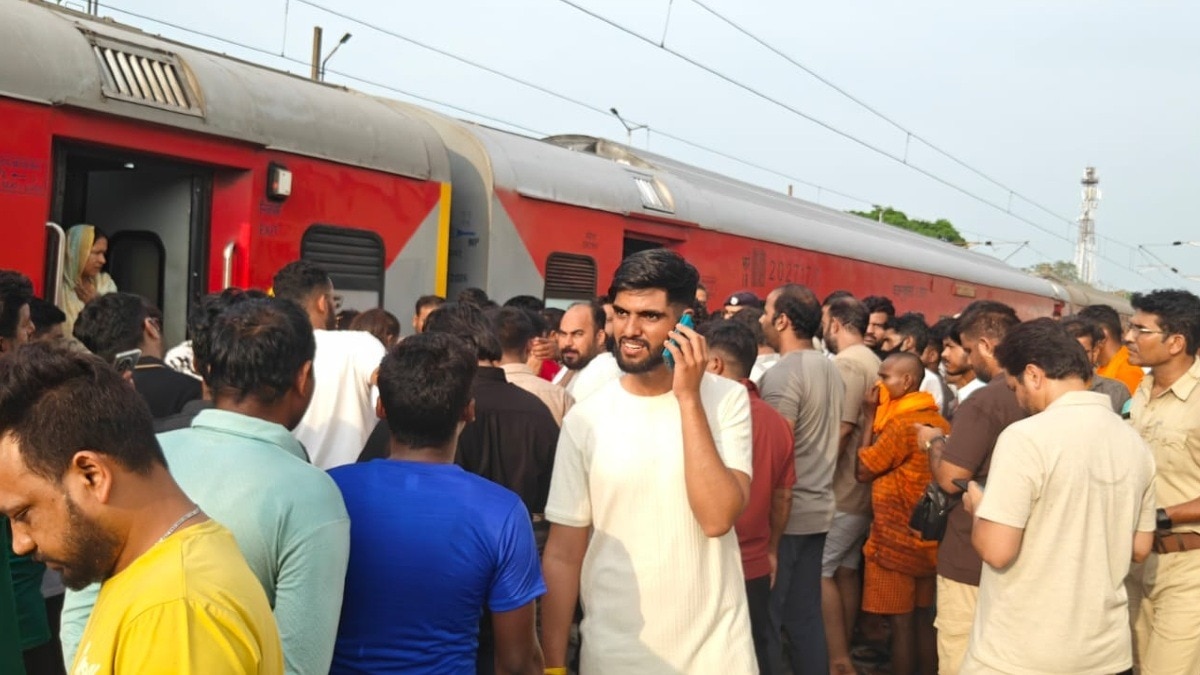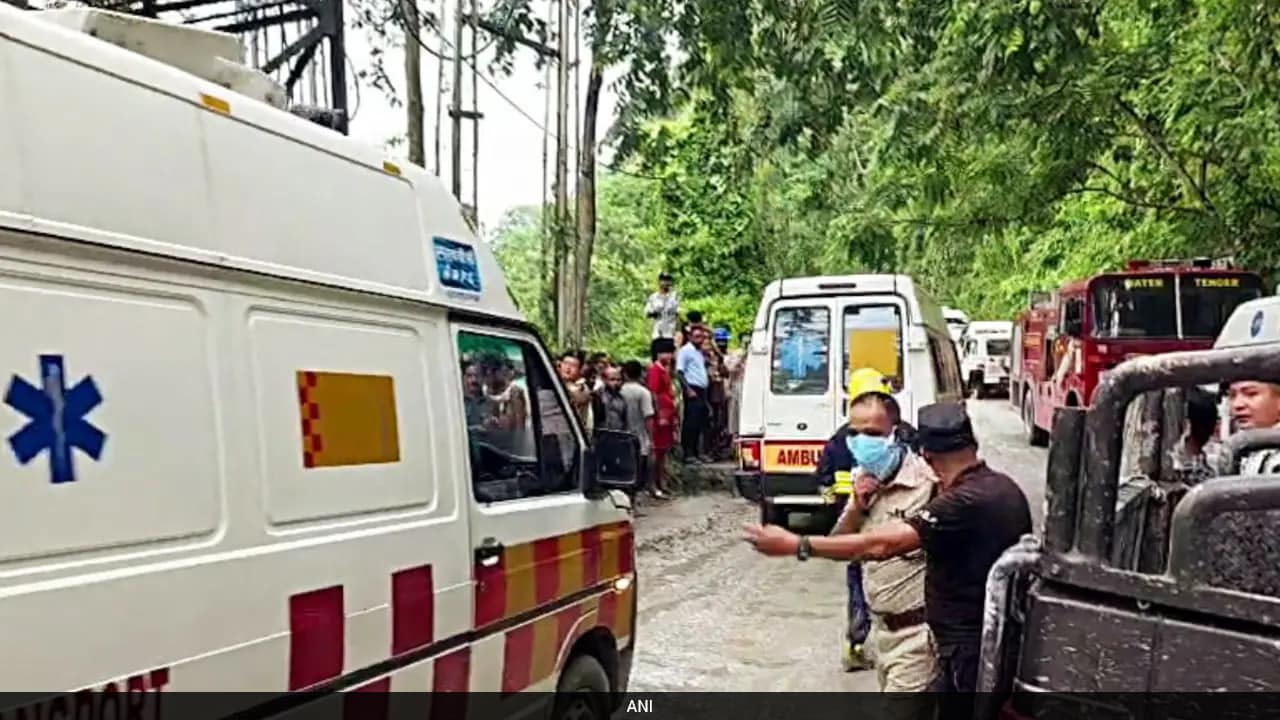
A high-stakes rescue operation has successfully saved all workers trapped in the Samardung tunnel near Rangpo, Sikkim. The tunnel is part of the Teesta Stage VI Hydroelectric Project.
In a dramatic turn of events, a massive rescue operation has successfully extricated all workers trapped within the Samardung tunnel located near Mamring, Rangpo. The incident occurred at the construction site of the Teesta Stage VI Hydroelectric Project, a critical infrastructure venture in the state of Sikkim. Emergency responders and specialized rescue teams worked tirelessly to ensure the safety of every individual caught in the incident.
The Complexity of the Rescue
The operation was hampered by the difficult terrain and the structural instability inherent in Himalayan tunnel construction. Rescuers had to navigate through narrow passages and manage potential risks of further landslides or structural collapses. However, through meticulous planning and the deployment of advanced rescue technology, the team managed to establish a safe corridor to bring the workers to the surface without any reported casualties.
The success of this mission underscores the critical importance of rapid response protocols in high-risk subterranean environments.
Why This Matters (इसके मायने क्या हैं)
BozokMedia analysis shows that while hydroelectric projects are vital for India's renewable energy goals, the geological volatility of the Himalayan region poses a persistent threat to worker safety. This incident serves as a stark reminder that the push for rapid infrastructure development must be matched by equally rapid advancements in geotechnical monitoring and safety engineering.
Furthermore, from an economic perspective, such incidents can lead to significant delays and cost overruns in multi-billion dollar energy projects. Strengthening the safety frameworks not only protects human lives but also ensures the long-term viability and investor confidence in large-scale national infrastructure projects.
Historical Background
The Himalayan range is one of the most seismically active zones in the world. The construction of hydroelectric projects along the Teesta River has historically been fraught with challenges due to the fragile ecology and the unpredictable nature of the mountains. Over the last decade, several major tunneling projects across North-East India and Uttarakhand have faced similar crises, leading to a push for stricter international safety standards in mountain tunneling.
| Aspect | Traditional Approach | Modern Safety Standard |
|---|---|---|
| Risk Assessment | Periodic Manual Checks | Continuous Automated Monitoring |
| Rescue Strategy | Reactive Response | Proactive Mitigation & Early Warning |
Frequently Asked Questions (अक्सर पूछे जाने वाले प्रश्न)
Question 1: Where exactly did the trapping occur?
Answer: The workers were trapped in the Samardung tunnel near Mamring, close to Rangpo in Sikkim.
Question 2: What project is this tunnel associated with?
Answer: The tunnel is a key component of the Teesta Stage VI Hydroelectric Project.