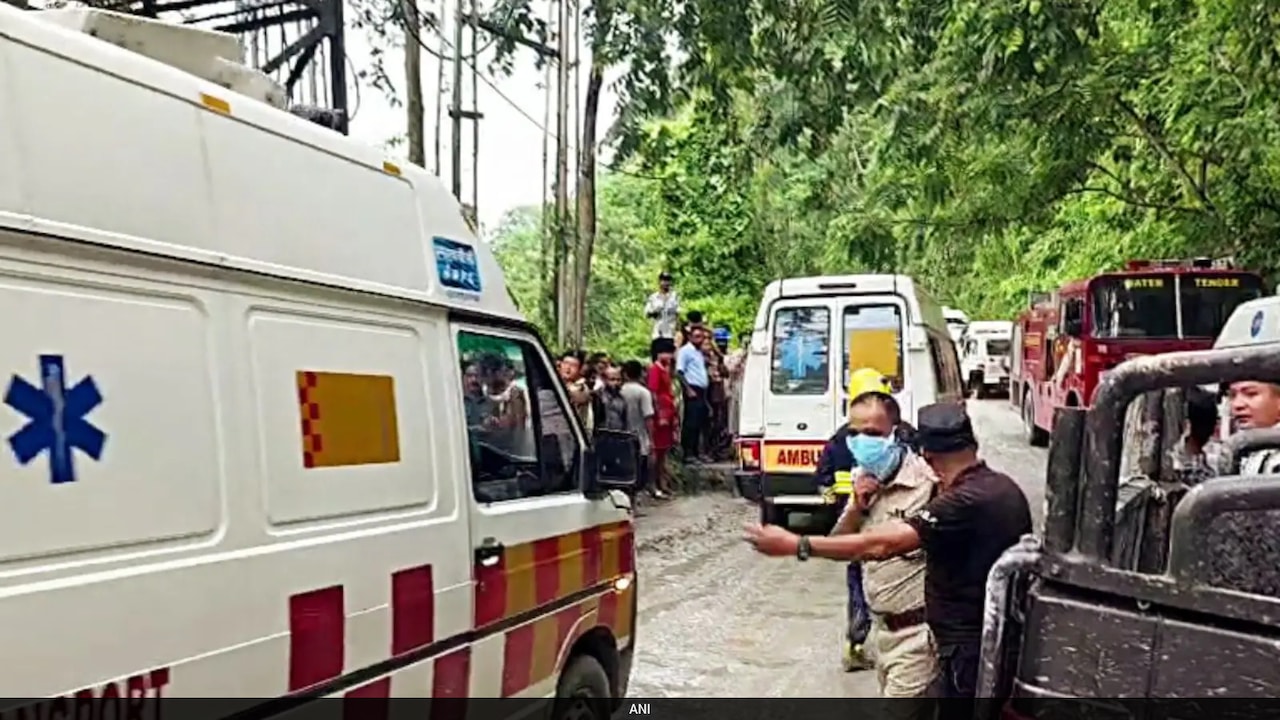
A devastating landslide inside a Sikkim tunnel has caused a massive methane gas leak, trapping several workers and resulting in one confirmed fatality.
Key Takeaways
- A landslide inside a Sikkim tunnel has blocked passage and trapped multiple workers.
- High levels of methane gas have been detected, hindering immediate rescue efforts.
- One worker has tragically lost their life in the incident.
A tragic accident has unfolded in the mountainous terrain of Sikkim, where a sudden landslide inside a tunnel has caused widespread destruction. The landslide has not only blocked the tunnel passage but has also triggered a dangerous methane gas leak, complicating the rescue operation. According to official reports, one worker has succumbed to the incident, while several others remain trapped beneath the debris.
The Gas Crisis Hindering Rescue
Local authorities have stated that the concentration of methane gas inside the tunnel remains critically high. This chemical hazard has become the primary obstacle for rescue teams. Rescuers are currently unable to reach the trapped individuals because entering the tunnel under such high gas levels poses a lethal risk to the life of the personnel. Advanced gas detectors and monitoring equipment are being deployed to assess the stability of the environment.
In high-altitude tunnel construction, geological instability coupled with gas pockets represents a dual threat that requires specialized mitigation strategies.
Why This Matters (इसके मायने क्या हैं)
BozokMedia analysis shows that this incident highlights the increasing vulnerability of infrastructure projects in the Himalayan region. As construction moves into more geologically unstable zones, the risk of landslides and gas pockets increases, posing a direct threat to both human life and project timelines.
For the broader economy and policy makers, this serves as a critical warning. There is an urgent need to integrate more advanced geological sensing technology into tunnel projects to prevent such tragedies, ensuring that infrastructure development does not come at the cost of human life.
Historical Background
The Himalayan belt is one of the most seismically active regions in the world. Over the last few decades, increased rainfall patterns and climate change have exacerbated the frequency of landslides. In many Himalayan tunnel projects, encountering methane is a known geological phenomenon, often caused by the decomposition of organic matter trapped within the rock strata for millions of years.
| Feature | Pre-Landslide Condition | Post-Landslide Condition |
|---|---|---|
| Tunnel Access | Open and operational | Completely blocked by debris |
| Air Quality | Safe/Normal | High Methane (Hazardous) |
| Worker Safety | Regulated environment | Extreme life-threatening risk |
Frequently Asked Questions (अक्सर पूछे जाने वाले प्रश्न)
Question 1: Why can't rescuers enter the tunnel immediately?
Answer: The high levels of methane gas make the atmosphere inside the tunnel toxic and potentially explosive.
Question 2: What is the current status of the trapped workers?
Answer: Rescue operations are on standby and will proceed as soon as gas levels are brought down to a safe threshold.