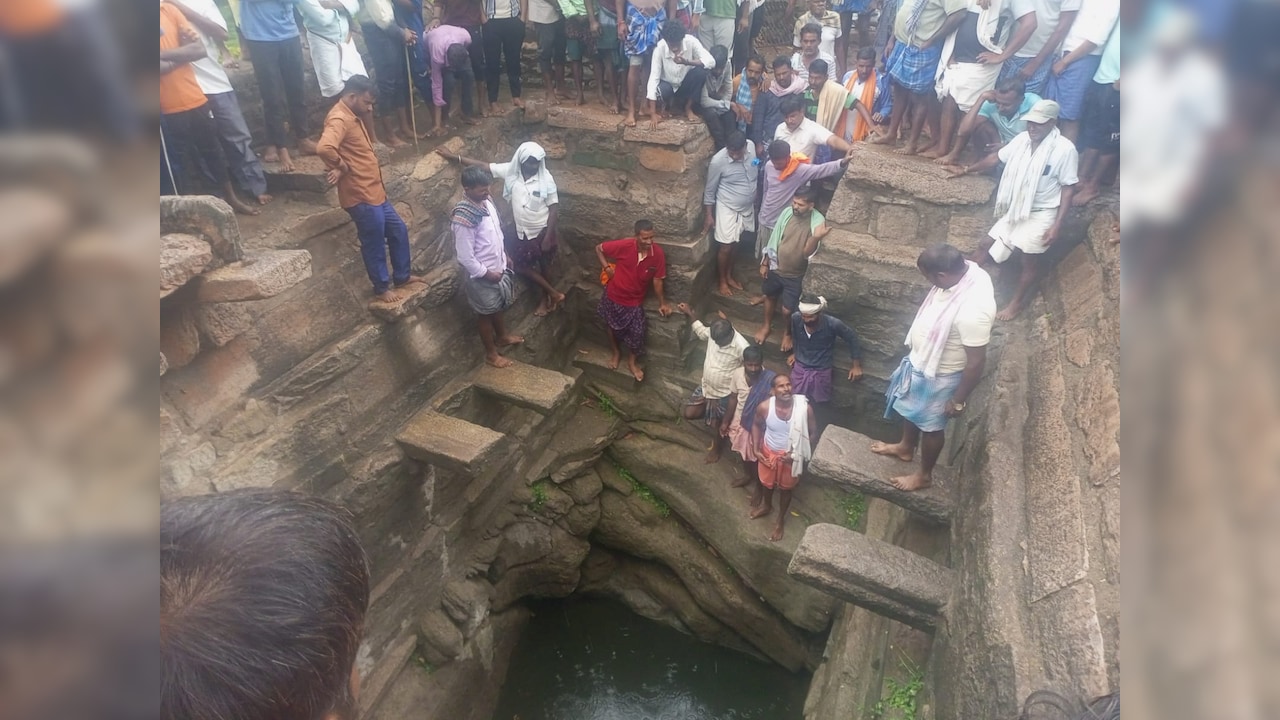
A tragic incident unfolded at the historic Kalleshwara Temple in Vijayanagara, Karnataka, where a nine-year-old boy drowned in an open well. The incident has sparked massive outrage among locals who point to severe safety lapses and a lack of barricades by the Archaeological Survey of India (ASI).
Key Takeaways
- A 9-year-old boy drowned in an open well at the Kalleshwara Temple in Karnataka.
- The incident occurred while the child was retrieving a ball that fell into the well.
- Locals blame the Archaeological Survey of India (ASI) for neglecting basic safety protocols.
In a heartbreaking incident that highlights severe administrative negligence, a nine-year-old boy lost his life after falling into an open well at the ASI-protected Kalleshwara Temple in Vijayanagara, Karnataka. The young boy had visited the temple with his parents for a family outing. According to eyewitnesses, he was playing with a ball near the temple premises when the ball accidentally slipped into the deep, exposed well. In an attempt to retrieve it, the boy tragically slipped and fell into the water.
Following the incident, local residents and visitors gathered at the spot, expressing deep anger and frustration over the lack of safety measures. The well, which sits within a protected heritage site managed by the Archaeological Survey of India (ASI), had no protective barricades, warning signs, or fencing. Locals alleged that they had repeatedly flagged the danger of the open well to the authorities, but their pleas fell on deaf ears.
| ASI Safety Guidelines | Ground Reality at Kalleshwara Temple |
|---|---|
| Mandatory fencing around deep water bodies at heritage sites. | The historic well was completely open with no barricades. |
| Clear warning signs indicating danger and deep water. | No warning signs or safety boards were installed. |
| Regular security patrols to prevent children from wandering near hazards. | Lack of active supervision or security personnel near the well. |
Historical Background
The Kalleshwara Temple, located in the Bagali region of Vijayanagara district, is a magnificent example of Chalukyan architecture dating back to the late 10th century. Protected under the Ancient Monuments and Archaeological Sites and Remains Act, the temple attracts hundreds of tourists and devotees daily. Despite its high footfall and historical significance, the maintenance of visitor safety has evidently been neglected, raising serious questions about how national heritage bodies manage public safety within historical monuments.
Why This Matters
This tragic loss of a young life highlights a critical systemic issue in how India's historical and heritage sites are managed. While millions of rupees are allocated annually for the preservation and restoration of ancient structures, basic visitor safety infrastructure—such as fencing, security guards, and warning signs—remains shockingly inadequate. BozokMedia analysis shows that this incident could serve as a major turning point, forcing the ASI to conduct safety audits across all protected monuments nationwide to prevent such avoidable tragedies.
Furthermore, it underscores the gap between administrative accountability and community safety. When government bodies fail to act on repeated warnings from local communities, it erodes public trust. For ordinary citizens, visiting a national heritage site should not come with life-threatening risks, making immediate policy enforcement on monument safety an absolute necessity.
"Heritage conservation is not just about preserving stones and inscriptions; it must first prioritize the safety of the living souls who visit these ancient sites." - Heritage Safety Advocate
Frequently Asked Questions
Q1: Who is responsible for the maintenance of the Kalleshwara Temple?
A1: The Kalleshwara Temple is a protected monument under the jurisdiction of the Archaeological Survey of India (ASI), which is responsible for its preservation and visitor safety.
Q2: What are locals demanding after this tragic incident?
A2: Locals are demanding immediate accountability from ASI officials, the installation of secure barricades around all open water bodies, and compensation for the grieving family.