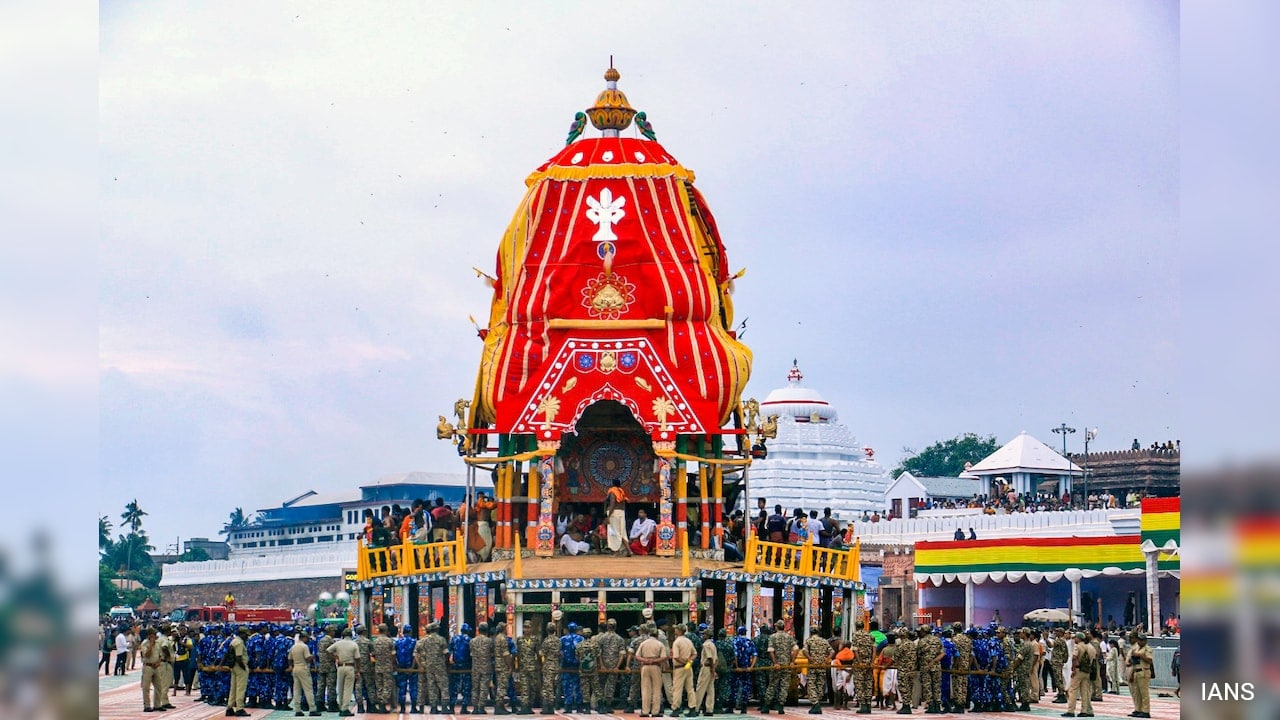
A devastating accident occurred in Torpa, Jharkhand, where a chariot during a Rath Yatra came into contact with an 11,000-volt overhead power line, killing two students.
Key Takeaways
- A high-voltage 11,000-volt overhead power line struck a chariot during a Rath Yatra in Jharkhand.
- Two students lost their lives in the tragic incident, while seven others were injured.
- The chariot was parked at Mausi Bari in the Torpa region when the accident occurred.
A tragic incident has been reported from the Torpa area of Jharkhand, where a religious procession turned into a disaster. During the Rath Yatra celebrations, a chariot came into direct contact with a live 11,000-volt overhead power line. The sudden electrical discharge caused immediate casualties and widespread injuries among the devotees present.
According to local reports, the chariot had been parked at Mausi Bari. As the structure moved or was positioned near the overhead lines, the electrical arc struck the chariot, electrocuting those in its immediate vicinity. The accident claimed the lives of two students, and at least seven other young boys sustained severe electrical burns and injuries. Emergency services were called to the scene to rush the injured to the nearest medical facility.
Why This Matters (इसके मायने क्या हैं)
BozokMedia analysis shows that this incident underscores a critical failure in safety coordination between local organizers and utility providers. In regions where overhead power lines are common, the height of religious structures like chariots must be meticulously calculated against existing electrical infrastructure. This lack of oversight poses a systemic risk to public safety during large-scale gatherings.
For the general public and local administrations, this serves as a grim reminder that infrastructure safety cannot be an afterthought. Failure to map electrical hazards during festivals leads to preventable loss of life. There is an urgent need for mandatory 'power-line clearance audits' before any large-scale procession is permitted to move through residential or rural corridors.
The intersection of traditional festivities and modern electrical infrastructure requires rigorous safety protocols to prevent such avoidable tragedies.
Historical Background
Electrocution during public festivals is a recurring challenge in many developing regions. Historically, as electrification has expanded across rural landscapes, the presence of low-hanging or high-tension wires has become a significant hazard for processions. Many countries have implemented strict regulations requiring temporary power shutdowns or the installation of insulated barriers during such events to mitigate these exact risks.
| Safety Aspect | Standard Protocol | Incident Reality |
|---|---|---|
| Line Clearance | Minimum safe distance maintained | Direct contact with live wire |
| Coordination | Pre-event briefing with Electricity Dept. | Lack of oversight/coordination |
| Risk Mitigation | Insulated protection/Power cut | High-voltage exposure |
Frequently Asked Questions (अक्सर पूछे जाने वाले प्रश्न)
Question 1: Where did the accident take place?
Answer: The accident occurred in the Torpa region of Jharkhand, specifically near Mausi Bari.
Question 2: What was the cause of the deaths?
Answer: The chariot touched a live 11,000-volt overhead power line, causing fatal electrocution.