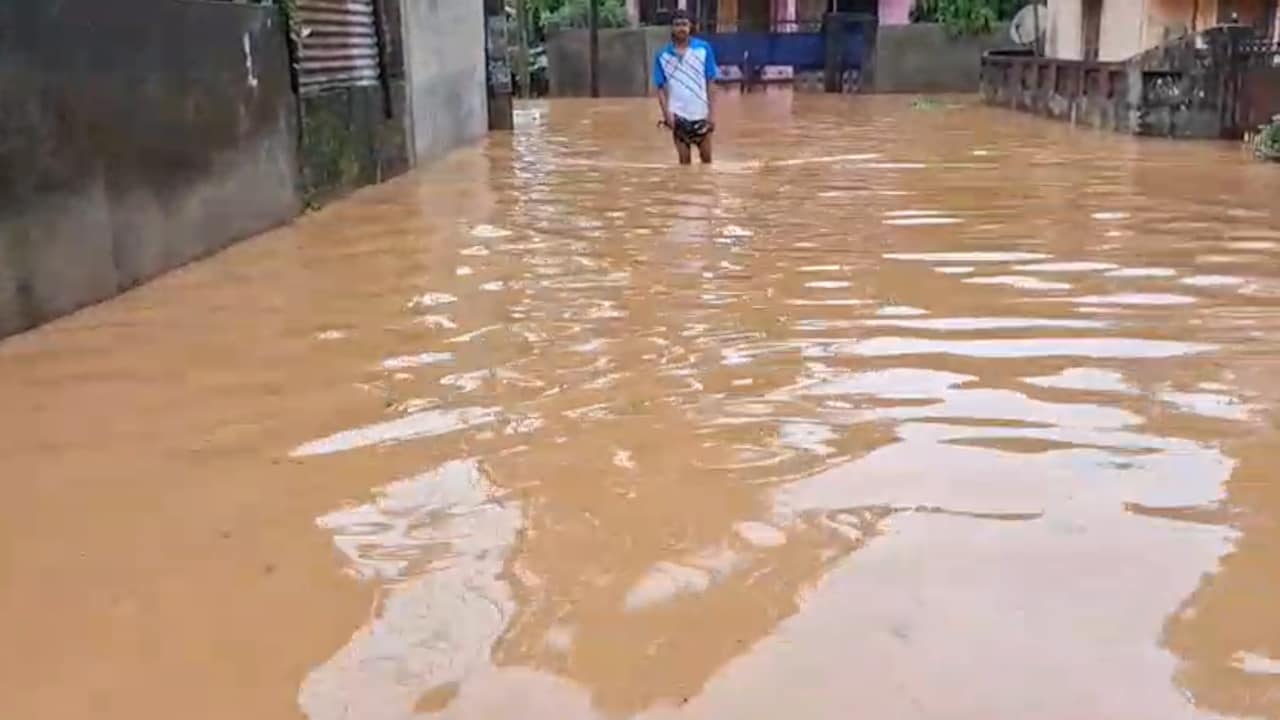
The Indian Army has launched 'Operation Jal Rahat' in flood-ravaged Assam, evacuating over 200 stranded citizens as the death toll rises to 10. Equipped with rescue boats and medical teams, the armed forces are working alongside civil authorities to mitigate the crisis.
Key Takeaways
- Over 200 stranded civilians successfully rescued by the Indian Army in Assam.
- The death toll due to the ongoing floods in the state has officially reached 10.
- 'Operation Jal Rahat' deployed specialized rescue boats, medical teams, and engineering assets.
The flood situation in Assam has taken a critical turn, prompting the Indian Army to launch a massive rescue mission dubbed 'Operation Jal Rahat'. As torrential monsoon rains continue to lash the northeastern state, the death toll has officially risen to 10, leaving thousands of families displaced. Recognizing the gravity of the situation, the armed forces deployed multiple columns to the worst-hit inundation zones, ensuring swift evacuation of vulnerable citizens.
Equipped with advanced rescue boats, dedicated medical teams, and specialized engineering resources, the Indian Army's Gajraj Corps spearheaded the efforts. Working in tandem with the State Disaster Response Force (SDRF) and local administrations, soldiers navigated treacherous currents to reach isolated villages. Relief camps have been stocked with essential supplies, and on-ground medical camps are actively treating injured and hypothermic survivors.
Historical Background
Assam’s geographical positioning makes it highly susceptible to annual flooding. The mighty Brahmaputra River, which flows from Tibet through Assam into Bangladesh, carries massive volumes of water and sediment. Every monsoon, heavy precipitation causes the river and its tributaries to breach their banks. Historically, the floods of 1950, 1998, and 2012 have been among the most devastating, highlighting a recurring ecological challenge that requires both immediate disaster response and long-term hydrological management.
| Feature | Operation Jal Rahat (Army) | Standard Civil Disaster Relief |
|---|---|---|
| Response Time | Immediate deployment within hours of distress calls. | Subject to administrative clearances and mobilization. |
| Equipment Used | Assault boats, heavy engineering machinery, military communications. | Standard inflatable boats, basic rescue gear. |
| Specialized Medical Aid | Combat medics capable of operating in deep water zones. | Primary healthcare workers situated at regional camps. |
Why This Matters (इसके मायने क्या हैं)
The annual devastation in Assam is no longer just a seasonal weather event; it has evolved into a national security and humanitarian crisis. The displacement of thousands of farmers and laborers severely disrupts the regional agrarian economy, leading to long-term financial instability. Furthermore, the loss of lives highlights the critical gaps in local infrastructure and early-warning systems, emphasizing the need for robust climate-resilient planning.
BozokMedia analysis shows that the frequent deployment of military forces for domestic disaster relief, while highly effective, underscores the limitations of local civil defense infrastructures. To mitigate future crises, India must transition from reactive rescue operations to proactive, technology-driven flood management strategies, including the construction of smarter embankments and real-time satellite monitoring of the Brahmaputra basin.
"The deployment of military assets under Operation Jal Rahat is a testament to our armed forces' versatility, but it also sounds an alarm on the escalating intensity of climate-induced disasters in Northeast India."
Frequently Asked Questions (अक्सर पूछे जाने वाले प्रश्न)
Q1: What is 'Operation Jal Rahat'?
A1: It is a dedicated disaster relief and rescue operation launched by the Indian Army in Assam to evacuate citizens stranded by severe monsoon floods.
Q2: How many casualties have been reported in the Assam floods so far?
A2: According to official reports, the death toll for this year's floods in Assam has risen to 10, with thousands of others displaced.

