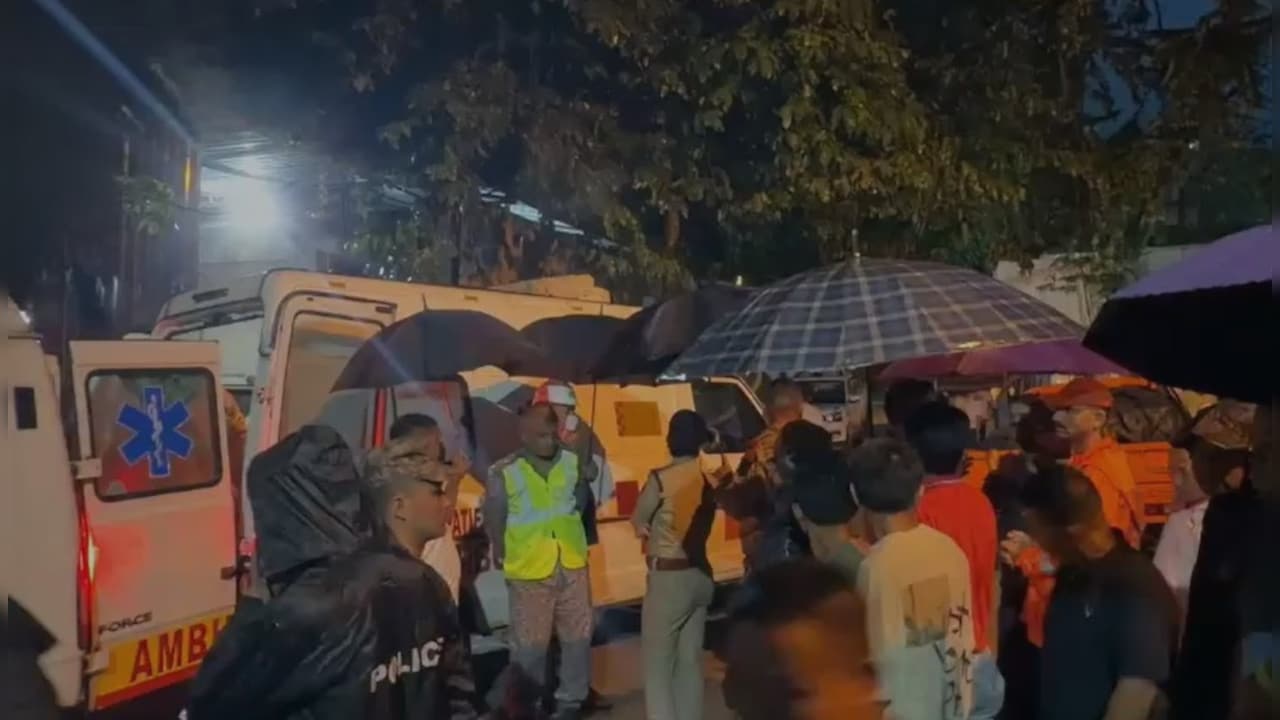
A devastating methane gas leak in a Sikkim tunnel has claimed at least 10 lives. Rescue operations are underway for over 18 workers suspected to be trapped.
In a tragic incident reported from the hilly terrain of Sikkim, at least 10 workers have lost their lives following a massive collapse and gas leak within a tunnel. Preliminary reports suggest that a sudden surge of methane gas inside the tunnel triggered the crisis, leading to immediate asphyxiation and subsequent structural instability.
Rescue teams have successfully evacuated 12 individuals so far, but the situation remains critical. Authorities fear that more than 18 workers remain trapped beneath the debris. The rescue operations are being conducted under extremely difficult circumstances, as responders must navigate both the unstable terrain and the lingering threat of toxic gas concentrations.
Why This Matters (इसके मायने क्या हैं)
BozokMedia analysis shows that this incident highlights a systemic failure in safety protocols within high-altitude infrastructure projects. In the Himalayan belt, geological volatility and the presence of trapped gases like methane are constant threats. The absence of real-time gas monitoring systems and automated ventilation in such tunnels poses a lethal risk to the workforce, turning construction sites into potential death traps.
Beyond the immediate human tragedy, such accidents have significant socio-economic implications. They disrupt critical infrastructure timelines and raise serious questions regarding the accountability of contractors and regulatory bodies. For the economy to benefit from rapid development in the Northeast, there must be a non-negotiable commitment to worker safety and advanced geological surveying technology.
The failure to implement advanced gas detection technology in tunnel projects is not just a technical lapse, but a fatal oversight in human life management.
Historical Background
Tunneling in the Himalayan region has historically been one of the most dangerous engineering feats in India. The complex tectonic activity and sedimentary layers often hide pockets of natural gases. Over the decades, while engineering capabilities have advanced, the integration of real-time environmental monitoring has lagged behind, leading to several high-profile incidents involving landslides and gas pockets in various mountain projects across the country.
| Safety Aspect | Ideal Safety Standards | Observed Gap in Incident |
|---|---|---|
| Gas Detection | Continuous automated sensors | Delayed or absent detection |
| Emergency Response | Immediate automated ventilation | Manual and slow response |
| Worker Safety Gear | Self-contained breathing apparatus | Standard gear insufficient for gas leaks |
Frequently Asked Questions (अक्सर पूछे जाने वाले प्रश्न)
Q1: What caused the tunnel collapse in Sikkim?
A: Sources indicate that a sudden leakage of methane gas was the primary trigger for the incident.
Q2: How many people are currently missing?
A: While 10 deaths are confirmed, authorities fear that over 18 workers are still trapped under the debris.