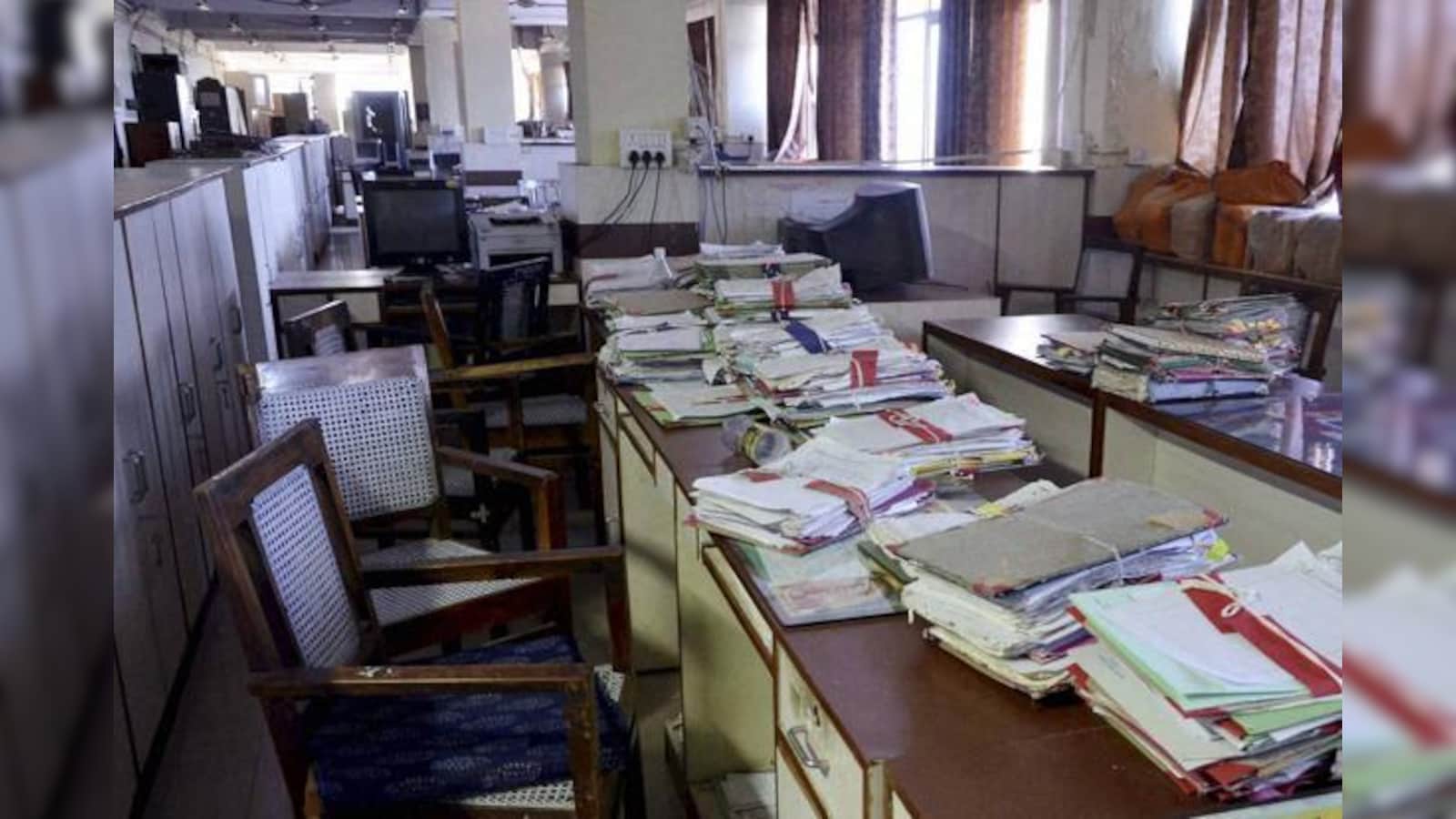
The Delhi government proposes fining bureaucrats up to ₹5,000 for delaying citizen services. Can monetary penalties fix deep-rooted administrative bottlenecks?
Key Takeaways
- Delhi government proposes a ₹250 daily fine for bureaucrats delaying services.
- The maximum penalty cap is set at ₹5,000 per official.
- The bill aims to replace the 2011 Act to ensure time-bound service delivery.
- Experts suggest systemic cultural change is needed alongside financial penalties.
The Delhi government has taken a significant step toward administrative accountability. A new bill proposed by the cabinet seeks to impose a fine of ₹250 per day—capped at a maximum of ₹5,000—on bureaucrats who delay citizen services without valid justification. This move aims to modernize the 'Delhi (Right of Citizen to Time Bound and Ease of Delivery of Service) Bill'.
For decades, India has grappled with 'Babudom'—a term used to describe the slow, process-heavy, and often indifferent nature of the bureaucracy. While this fine is a symbolic gesture toward democratizing governance, it raises a critical question: Can a relatively small monetary penalty truly dismantle a colonial-era administrative culture?
Why This Matters (इसके मायने क्या हैं)
BozokMedia analysis shows that this move is less about the money and more about creating a sense of urgency within the administrative machinery. By attaching a personal cost to inefficiency, the government is attempting to shift the needle from a culture of 'delay as a norm' to 'delivery as a duty'. This could significantly reduce the friction faced by common citizens in accessing basic rights and services.
However, the broader impact depends on how these rules are enforced. If the bureaucracy perceives the fine as a mere 'cost of doing business' or if the enforcement mechanism itself is bogged down by layers of approval, the impact will be negligible. True reform requires a balance between empowering officials and ensuring strict accountability.
True administrative excellence requires a shift from high IQ-driven processes to high EQ-driven citizen engagement.
Historical Background: The Indian bureaucracy is a legacy of the British Raj, designed as an instrument of control rather than service. As noted by publications like The Economist, the system remains heavily process-driven, often prioritizing procedural correctness over actual human outcomes, a phenomenon commonly referred to as 'Red Tapism'.
| Feature | 2011 Act | Proposed New Bill |
|---|---|---|
| Primary Focus | Procedural Compliance | Time-bound Service Delivery |
| Penalty Structure | Minimal/Non-existent | ₹250/day (Max ₹5,000) |
| Accountability | Institutional/Vague | Individual/Direct |
Frequently Asked Questions (अक्सर पूछे जाने वाले प्रश्न)
Q1: What triggers the fine?
Ans: The fine is triggered when a government official delays a service to a citizen without providing a valid, justifiable reason.
Q2: Is this a nationwide policy?
Ans: No, this specific proposal is currently being introduced by the Delhi government for its jurisdiction.