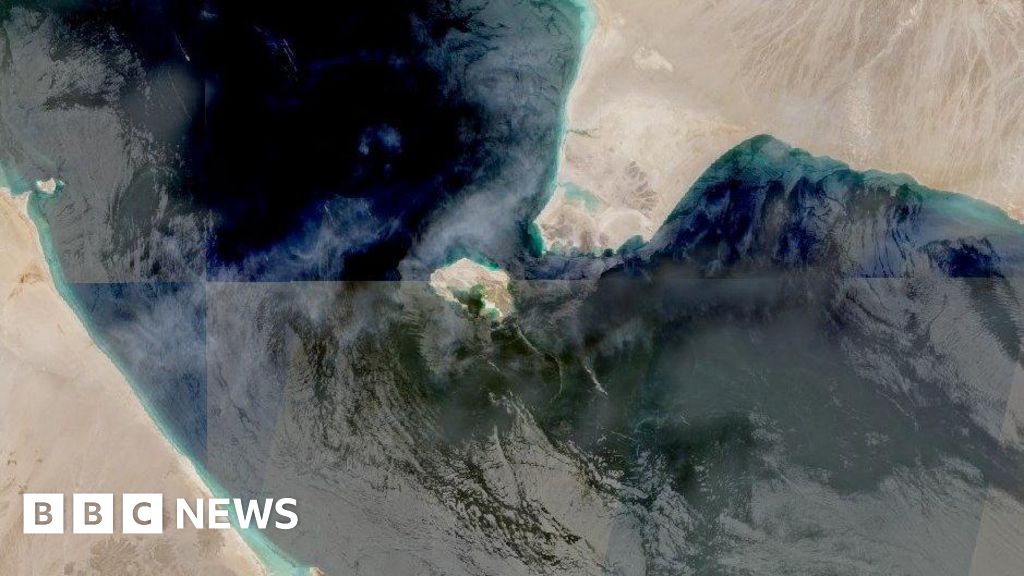
Yemen's Houthi fighters have launched missile attacks on Red Sea shipping, endangering the Bab al‑Mandeb strait. The move could choke the main Europe‑Asia maritime corridor and heighten the risk of a broader Middle‑East war amid ongoing U.S.–Iran tensions.
Key Takeaways
- Houthis warned vessels to avoid the Bab al‑Mandeb, forcing ships to turn back.
- Closure of the strait would disrupt Europe‑Asia trade and raise shipping costs.
- The attacks add a new layer to the already volatile U.S.–Iran confrontation.
The Iran‑backed Houthi movement has stepped up missile strikes against commercial vessels in the Red Sea, hitting two Saudi ships and warning ten more to steer clear of Saudi ports. Their actions threaten to block the narrow Bab al‑Mandeb strait, a chokepoint that links the Red Sea with the Indian Ocean.
Historical Background
Emerging from the chaos of the 2014 Arab Spring, the Houthi Shia tribe seized Yemen's capital Sana’a and most of the country’s populated regions, including the strategic port of Hodeidah. In 2015, a Saudi‑led coalition intervened to restore the ousted Yemeni government, but Iranian support allowed the Houthis to retain a formidable military capability. Between 2023 and 2025 they targeted vessels they claimed were linked to Israel, framing the campaign as solidarity with Gaza.
Why This Matters
BozokMedia analysis shows that a prolonged shutdown of Bab al‑Mandeb would force rerouting of billions of barrels of oil and millions of tonnes of fertilizer, driving up global freight rates and commodity prices. It would also tighten the geopolitical squeeze on Gulf states caught between U.S. bases and Iranian pressure.
"The Houthis have evolved from a regional insurgency into a maritime threat capable of disrupting global supply chains," says maritime security expert Dr. Emily Rogers.
Frequently Asked Questions
How will Houthi attacks affect global oil prices? If the strait is closed, traders will shift to longer routes, potentially pushing Brent crude prices up by 5‑10 %.
Will the U.S. Navy intervene directly? The U.S. has already deployed additional destroyers and anti‑missile assets to the region, but any large‑scale engagement will depend on political calculations in Washington.