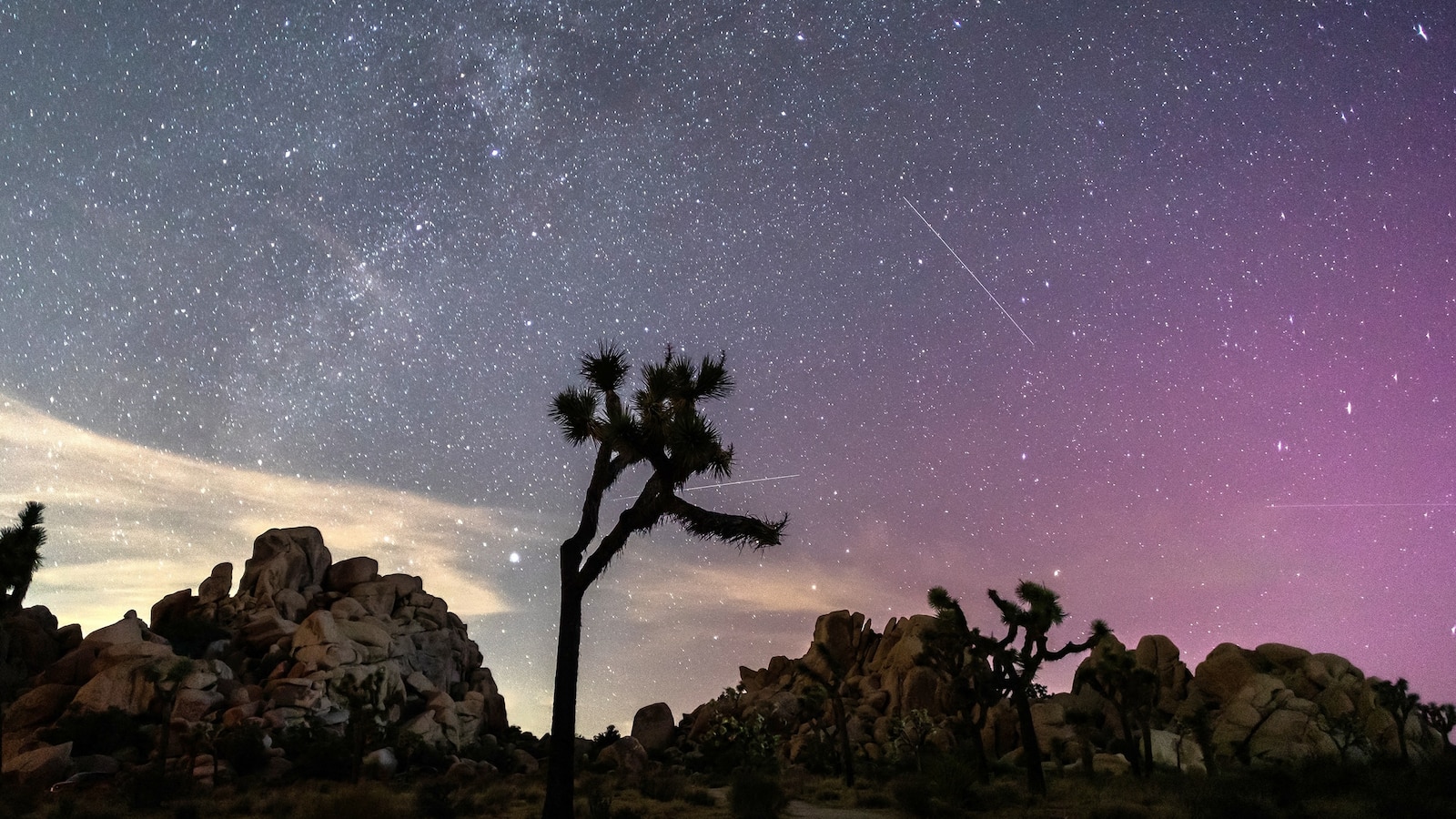
The Perseids peak between August 12‑13, 2026, offering up to 100 meteors per hour in a dark sky. This article outlines peak dates, optimal viewing locations, and practical tips for a flawless stargazing experience.
Key Takeaways
- Perseids peak expected on Aug 12‑13, 2026
- Best viewing window: pre‑dawn hours, clear dark sky
- Lie flat away from light pollution for maximum visibility
Overview of the Perseids
The Perseids meteor shower runs from July 17 to August 23 each year, with its brightest activity usually in mid‑August. The American Meteor Society (AMS) projects this year’s maximum to fall on August 12‑13.
Fireballs and Frequency
NASA reports the shower can produce 50‑100 visible meteors per hour, including spectacular fireballs—larger, brighter explosions that linger longer than typical meteors.
Practical Viewing Tips
Look toward the constellation Perseus in the northern sky, where the meteors appear to radiate. Choose a dark site far from city lights, lie on your back, and give your eyes 30 minutes to adapt to the darkness.
Historical Background
The Perseids originate from debris left by comet Swift‑Tuttle, a 16‑mile nucleus that orbits the Sun every 133 years. Historically, astronomers label it the “best meteor shower of the year” because of its swift, bright meteors that leave long, colorful trails.
Why This Matters
BozokMedia analysis shows annual events like the Perseids boost public interest in space science and highlight the impact of light‑pollution on night‑sky visibility.
"Perseid fireballs not only create a visual spectacle but also reignite public curiosity about celestial mechanics," says space scientist Dr. Anjali Patel.
Frequently Asked Questions
Q1: Can the Perseids be seen from the Southern Hemisphere?
A: Visibility is limited; observers near the equator may catch a few early‑morning meteors, but the peak is best seen from the Northern Hemisphere.
Q2: How do fireballs differ from regular meteors?
A: Fireballs are larger fragments that burn brighter and longer, while regular meteors are smaller and fade quickly.