The Indian Meteorological Department has kept the orange weather alert for Mumbai amid heavy rains. Tansa reservoir’s overflow pushes total water storage across seven lakes to 62%, while the alert drops to yellow for Thursday as rain is expected to ease.
Key Takeaways
- Orange alert stays for Mumbai as heavy rain persists.
- Tansa reservoir overflows, total water stock hits 62% of capacity.
- Alert downgraded to yellow for Thursday, rains expected to subside.
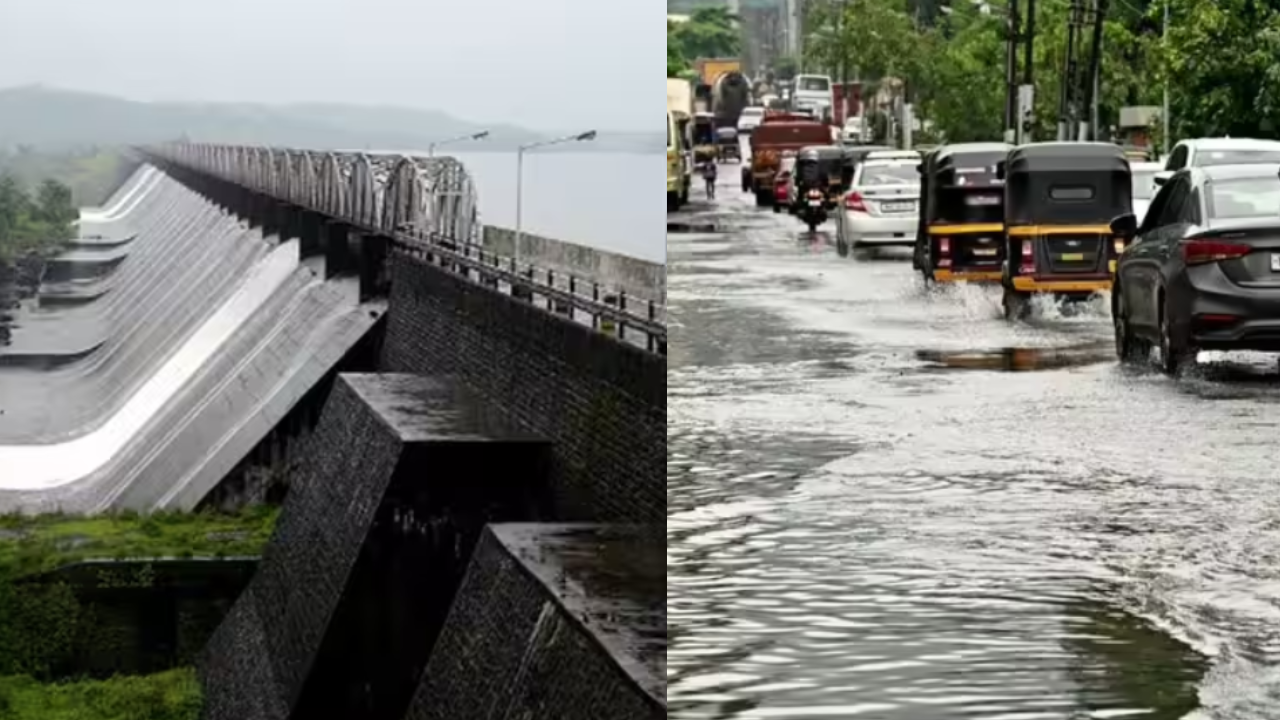
The Indian Meteorological Department (IMD) retained an orange alert for Mumbai and the Mumbai Metropolitan Region (MMR) on Wednesday, forecasting heavy to very heavy rainfall accompanied by gusty winds of 50‑60 km/h, gusting up to 70 km/h. Continuous monsoon showers have caused Tansa, one of the city’s seven drinking‑water reservoirs, to overflow.
With Tansa joining Vihar and Tulsi, three of Mumbai’s seven lakes are now overflowing, raising the combined water stock to 62% of total capacity—a significant boost to the city’s water reserves. Tansa contributes roughly 455 million litres per day (about 11% of Mumbai’s daily supply).
IMD issued an orange alert for Mumbai, Thane and Raigad, while Palghar remains under a red alert for isolated extremely heavy rainfall. For Thursday, Mumbai and Thane have been downgraded to a yellow alert, indicating heavy rain in isolated pockets.
Historical Background
Commissioned in 1892, the Tansa Dam is one of the world’s longest masonry dams at 2,743.2 metres and holds a maximum storage capacity of 145.08 billion litres. It has overflowed in recent years—July 20 2020, July 22 2021, July 14 2022, July 26 2023, July 24 2024, and July 23 2025—showing a consistent pattern with this year’s monsoon intensity.
Why This Matters (इसके मायने क्या हैं)
BozokMedia analysis shows that reaching 62% water storage strengthens Mumbai’s resilience against water scarcity, especially in densely populated suburbs. The increased reservoir levels ensure a steadier supply for households, industries, and agriculture, reducing the risk of shortages during peak demand periods.
Moreover, the shift from orange to yellow alert directly impacts daily life—schools, workplaces, and public transport can plan operations with greater confidence, while businesses can mitigate potential economic losses caused by severe weather disruptions.
"The current monsoon pattern has filled our reservoirs well, yet sudden heavy bursts still pose flood risks," says climate expert Dr. Anshu Mishra.
Comparison Table
| Date | Alert Level | Primary Reason |
|---|---|---|
| July 22 2026 (Wed) | Orange | Heavy to very heavy rainfall, 50‑70 km/h gusts |
| July 23 2026 (Thu) | Yellow | Rainfall easing, light to moderate showers expected |
Frequently Asked Questions (अक्सर पूछे जाने वाले प्रश्न)
Q1: Is it safe to travel outdoors during an orange alert?
A: Orange alerts indicate heavy rain and strong winds; non‑essential travel should be avoided.
Q2: What does a 62% water stock mean for Mumbai?
A: It means the combined capacity of the seven lakes is 62% full, improving the city’s drinking‑water availability.