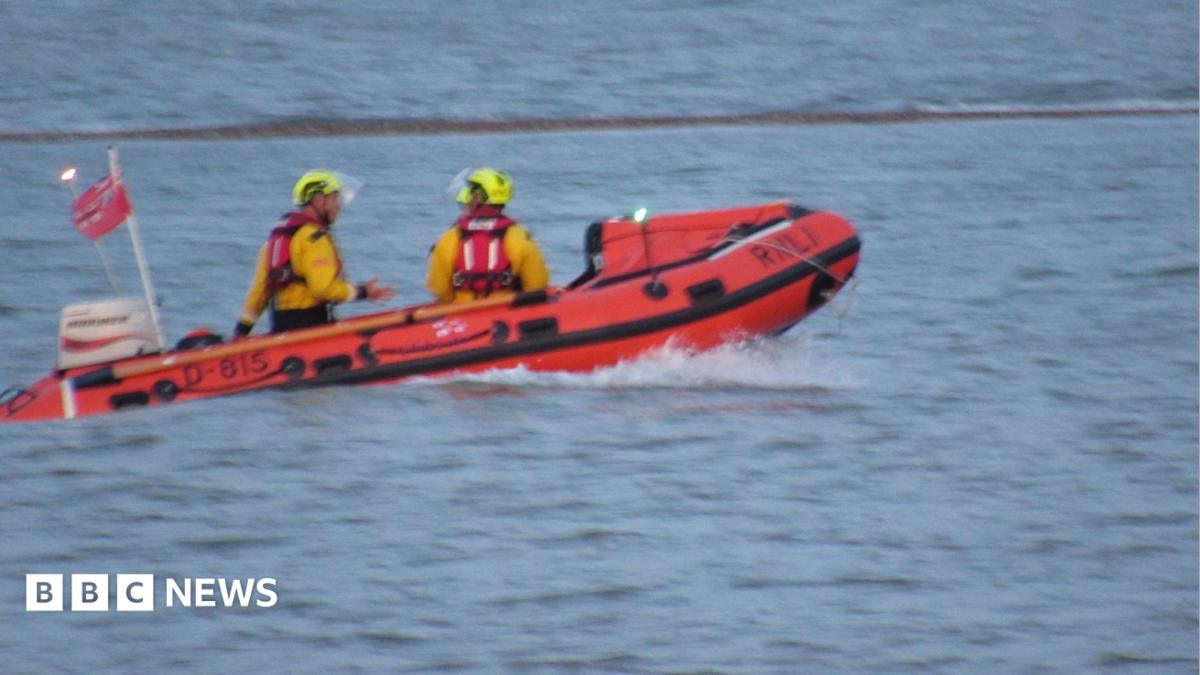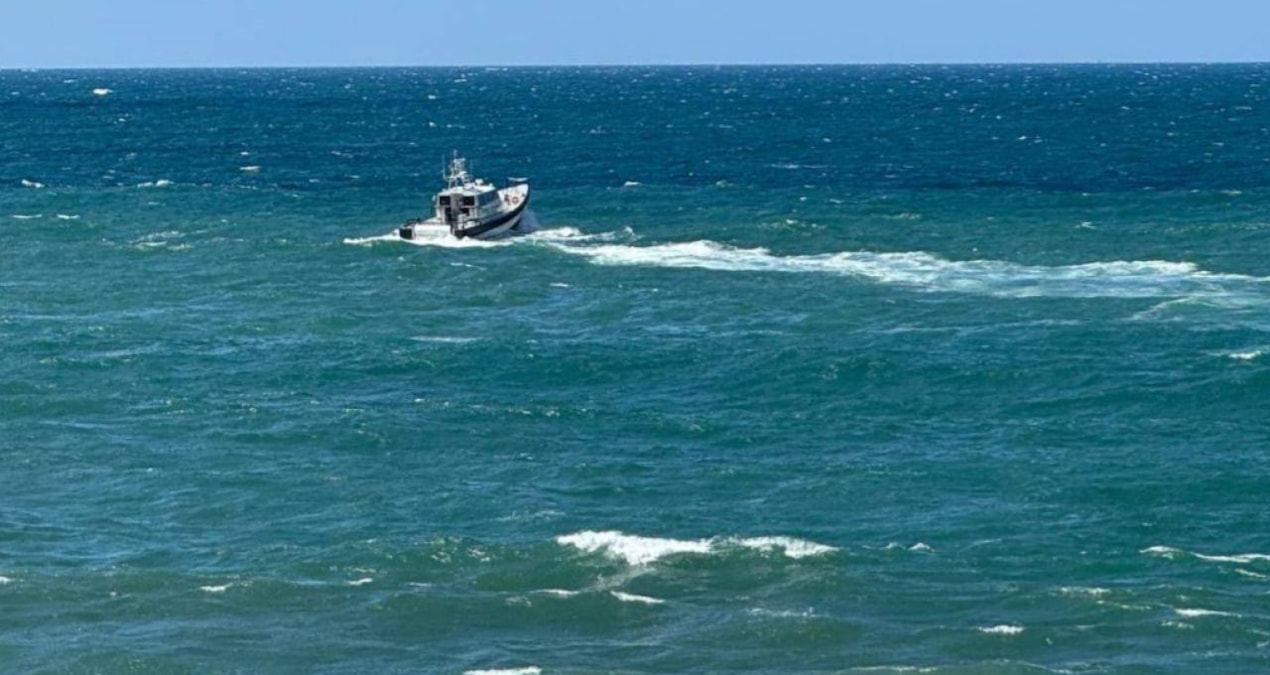
Severe weather in the Marmara region forced Istanbul's Beykoz, Sarıyer and Arnavutköy districts to impose a five‑day ban on sea swimming. Local authorities closed all beaches to protect public safety amid high waves and strong winds.
Key Takeaways (मुख्य बिंदु)
- Severe winds and high waves in the Marmara region
- Five‑day swimming ban in Beykoz, Sarıyer and Arnavutköy
- Local authorities closed beaches to mitigate safety risks
Three districts on Istanbul’s Black Sea coast—Beykoz, Sarıyer and Arnavutköy—have been placed under a temporary swimming prohibition due to adverse weather conditions affecting the Marmara Sea. The ban, effective from July 23 to July 27, follows the provisions of Municipal Law No. 5442 and aims to prevent accidents caused by dangerous wave activity.
In Beykoz, all beaches, coves and shoreline areas opening onto the Black Sea are completely off‑limits for five days. Arnavutköy authorities cited the rise in wave height as a public safety threat and prohibited swimming for the entire day of July 24. Meanwhile, Sarıyer closed the popular Kısırkaya Public Beach until the end of the day, citing continued hazardous wave conditions.
These measures stem from recent meteorological alerts highlighting strong winds, elevated wave periods, and the potential for sudden rip currents. Officials emphasized that the decision was taken to safeguard residents and tourists alike.
Historical Background (तथ्यात्मक पृष्ठभूमि)
The Black Sea is notorious for its unpredictable weather and steep wave patterns. Similar temporary bans have been enacted in previous years, notably in 2019, when high swells threatened swimmers along the Istanbul shoreline. Those past restrictions helped avert several near‑miss incidents, underscoring the importance of proactive coastal management.
Why This Matters (इसके मायने क्या हैं)
BozokMedia analysis shows that while such bans can temporarily affect tourism revenue, they ultimately protect lives and prevent larger economic losses from accidents and rescue operations. By pre‑emptively closing hazardous beaches, municipalities preserve long‑term confidence in public safety protocols.
On a community level, decisive action reinforces trust in local governance. Residents who see authorities acting swiftly to mitigate risk are more likely to cooperate with future safety directives, fostering social stability and resilience.
“High waves and strong winds dramatically increase the likelihood of rip currents; a timely ban can save lives.” – Marine safety expert Dr. Ali Ibrahim
Frequently Asked Questions (अक्सर पूछे जाने वाले प्रश्न)
Q1: Are there any alternative water activities allowed during the ban?
A: Authorities recommend using indoor pools, safe reservoirs, or supervised waterfront facilities until conditions improve.
Q2: When will the beaches reopen?
A: The ban lifts on July 27; however, beaches will only reopen after a fresh meteorological assessment confirms safe wave levels.