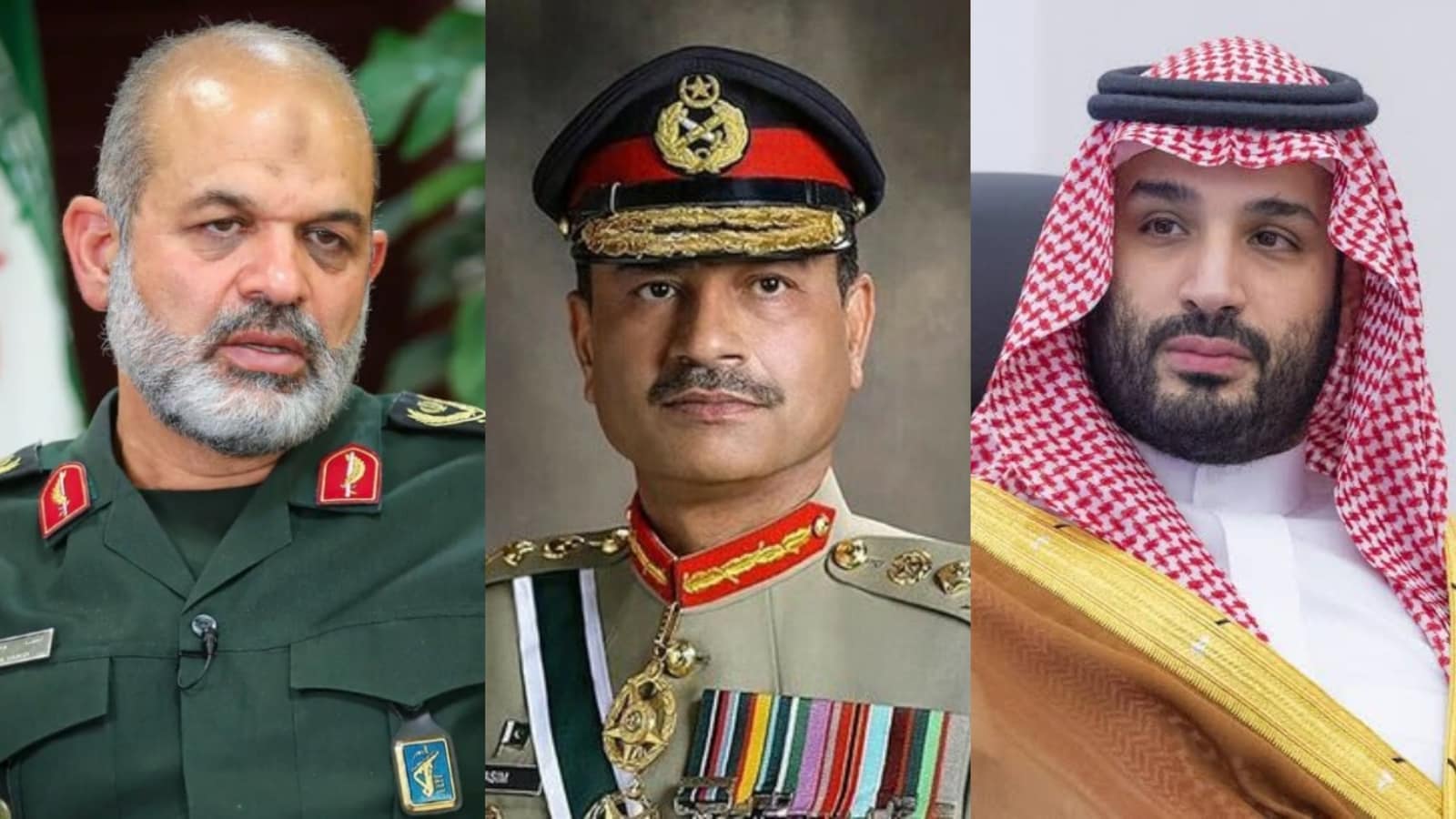
Pakistan’s army chief Asim Munir used a covert oil partnership with Iran to broker a cease‑fire between Saudi Arabia and Tehran. The deal insulated Saudi Arabia from Iranian missile attacks and reshaped regional strategic dynamics.
Key Takeaways
- Asim Munir used a private oil venture to secure the Saudi‑Iran cease‑fire.
- Saudi Arabia avoided Iranian missile strikes after the agreement.
- Pakistan’s mediation altered economic and security ties in the region.
Historical Background
Pakistan has increasingly positioned itself as a diplomatic broker in the Middle East, especially during the early stages of the US‑Israel‑Iran conflict. Field Marshal Asim Munir, the country's top military officer, facilitated a clandestine cease‑fire between Riyadh and Tehran, which helped de‑escalate regional tensions.
Details
According to a Times of Israel report, Munir dangled the continuation of a joint oil‑transport venture with IRGC chief Ahmad Vahidi as leverage. The venture has quietly moved Iranian crude to Pakistan since late 2023, generating substantial revenue for both parties amid the US blockade of Iranian ports.
After the agreement was sealed in late March, Saudi Arabia experienced a three‑month lull in Iranian missile attacks. When Tehran broke the calm with a recent missile strike, Munir warned Vahidi that further aggression could jeopardize the oil partnership, and Iran has halted missile launches toward Saudi Arabia since.
Why This Matters
BozokMedia analysis shows that such economic arrangements provide a powerful tool for military‑political bargaining, redefining the security calculus across the Gulf. The private oil deal not only yields profit but also serves as a strategic shield for allied nations.
"Pakistan’s diplomatic maneuver has fundamentally shifted the power balance in the Middle East," says international relations scholar Dr. Reza Ahmad.
Frequently Asked Questions
Q1: What role did Pakistan play in the Saudi‑Iran cease‑fire?
A: Pakistan acted as the mediator and leveraged a lucrative oil partnership to ensure Saudi security.
Q2: Has the deal permanently reduced Saudi‑Iran tensions?
A: While not a permanent solution, it has provided a crucial buffer that curtailed missile attacks for several months.