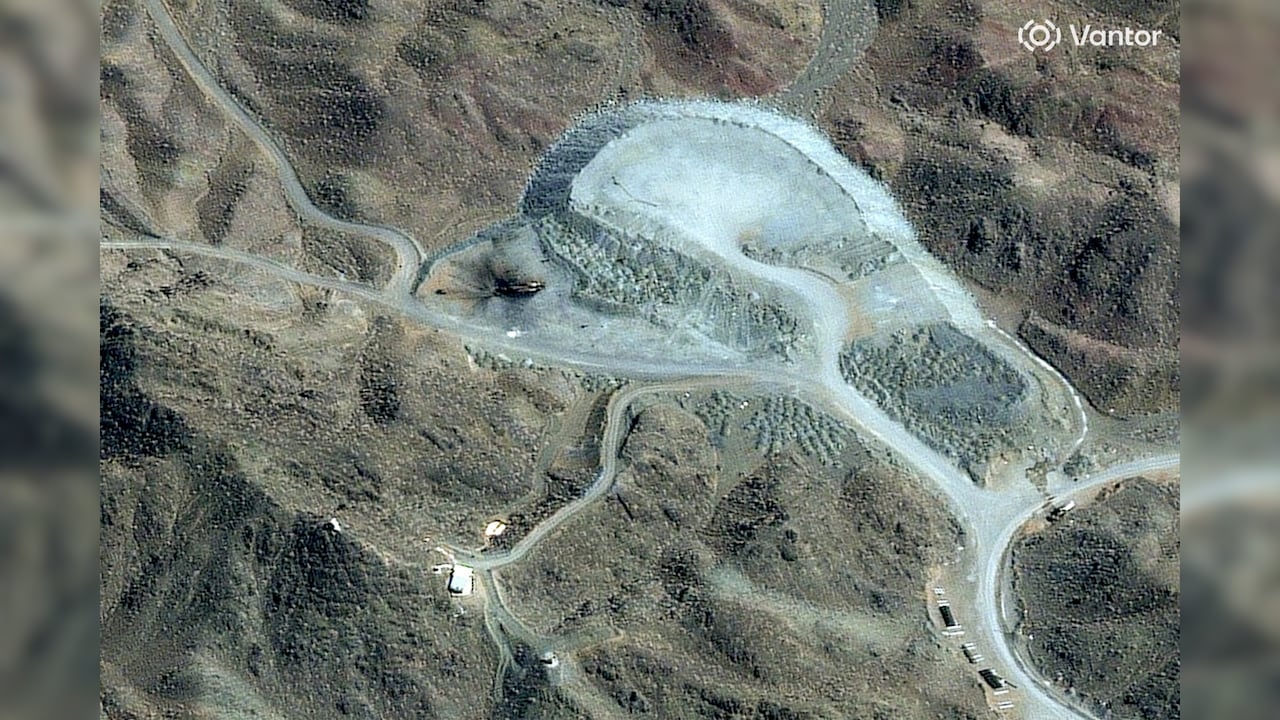
If Fordow could not be destroyed, the Pickaxe facility lies deeper, more concealed, and fortified with extra concrete layers. This piece examines Trump's possible strategies and their potential ramifications.
Key Takeaways
- Pickaxe is deeper than Fordow.
- Additional concrete layers increase its protection.
- Trump's potential actions carry uncertain outcomes.
Structure of the Pickaxe Facility
The Pickaxe nuclear site in Iran is strategically positioned deep beneath a mountain, making detection and destruction extremely challenging. While earlier sites like Fordow were heavily concrete‑clad, Pickaxe adds multiple extra layers for added resilience.
Its security architecture incorporates several tiers of geological and technical defenses, including seismic shock absorbers and advanced surveillance systems. Consequently, conventional bombing or satellite strikes are unlikely to suffice.
Trump's Potential Strategy
Former President Donald Trump previously discussed a range of diplomatic and military options to curb Iran's nuclear ambitions. Should he revisit this challenge, new technologies or special forces would be required to target a facility as fortified as Pickaxe.
Why This Matters
BozokMedia analysis shows that any escalation involving such heavily fortified sites could trigger a broader regional conflict, impacting global energy markets and diplomatic relations.
"The depth and concrete shielding of Pickaxe make it resistant to conventional military options," says international security expert Dr. Ali Hassan.
Frequently Asked Questions
Q: Can Pickaxe be completely destroyed?
A: Current technological limits make total destruction highly improbable.
Q: Is there a new policy from Trump on this issue?
A: No official policy has been released yet, but strategic discussions are ongoing.