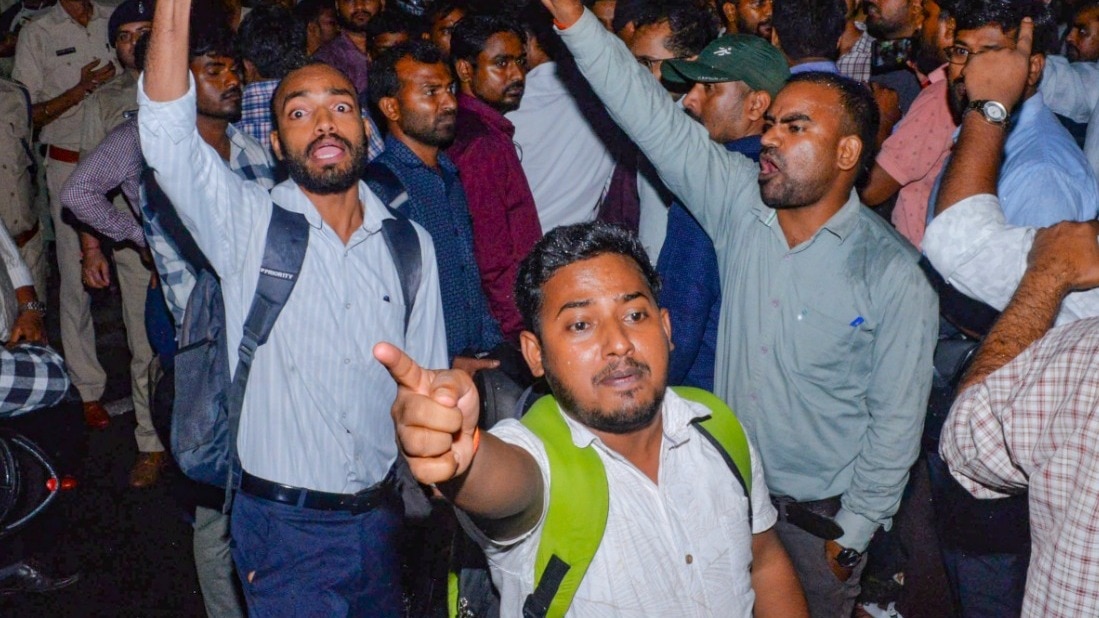
Thousands of rupees were deducted under a ‘deferral charge’, prompting consumers in Muzaffarpur to storm the electricity office, leading to vandalism, stone‑pelting and a youth’s injury.
Key Takeaways
- Deferral charge led to deductions of ₹1,000‑₹5,000 from prepaid meters
- Negative balance triggered power outage for many households
- Protest turned violent with office vandalism and one youth injured
Sequence of Events
In Muzaffarpur, Bihar, hundreds of electricity consumers gathered outside the Tilak Maidan office after the department allegedly deducted large sums under a “deferral charge”. The amounts varied from ₹1,000 to ₹5,000 per meter.
Following the deductions, numerous meters showed a negative balance, causing an immediate power cut. When residents approached the office to lodge complaints, the situation escalated into a heated confrontation, resulting in vandalism and stone‑pelting.
During the unrest, a young man was reportedly assaulted by office staff, sustaining a serious head injury and being taken to a hospital.
Historical Background
Prepaid electricity meters were introduced across India in 2015 to improve billing efficiency. However, the addition of ad‑hoc charges such as deferral fees has sparked repeated disputes, especially in Bihar where transparency remains limited.
Why This Matters
BozokMedia analysis shows that abrupt financial deductions erode consumer confidence and can ignite civil unrest, particularly in regions with already fragile power infrastructure.
"The lack of clear justification for deferral charges is a primary catalyst for such public outbursts," says an energy policy analyst.
Frequently Asked Questions
Q1: Why is a deferral charge applied?
A: It is typically used to recover pending dues or ensure continuous service, but the criteria are often opaque.
Q2: What recourse do affected consumers have?
A: They can file formal complaints, request a re‑examination, and appeal to consumer forums if satisfactory resolution is not achieved.