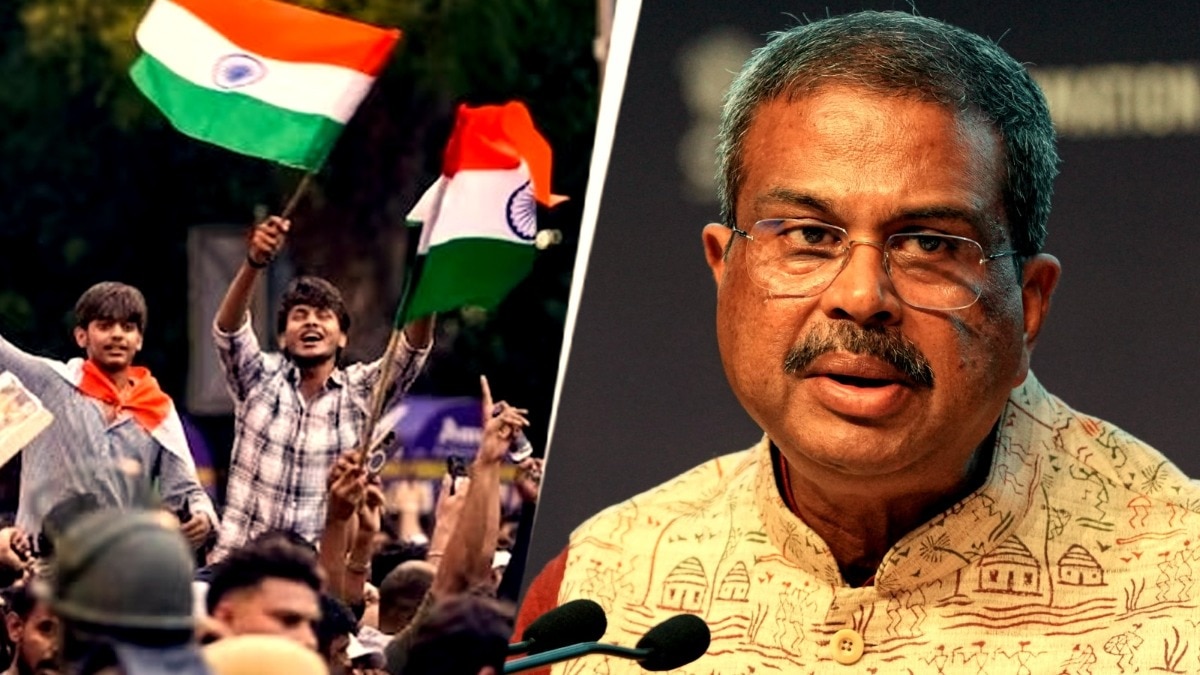
Following the resignation of Union Education Minister Dharmendra Pradhan, Cockroach Janata Party (CJP) founder Abhijit Dipke has signaled that the movement is only gaining momentum. The focus is now shifting from exam reforms to broader employment issues.
Key Takeaways
- Union Education Minister Dharmendra Pradhan has resigned.
- CJP founder Abhijit Dipke termed the resignation as the 'first wicket'.
- The movement is expected to expand toward employment and recruitment issues.
- CJP operates on a decentralized, social-media-driven model.
In a massive development within the ongoing NEET-UG controversy, Union Education Minister Dharmendra Pradhan has resigned from his post. This move has sent shockwaves through the political landscape and sparked celebrations within the ranks of the Cockroach Janata Party (CJP). CJP founder Abhijit Dipke, in a recent video statement, hailed the resignation but cautioned that the struggle is far from over.
The Road Ahead: What is CJP's Strategy?
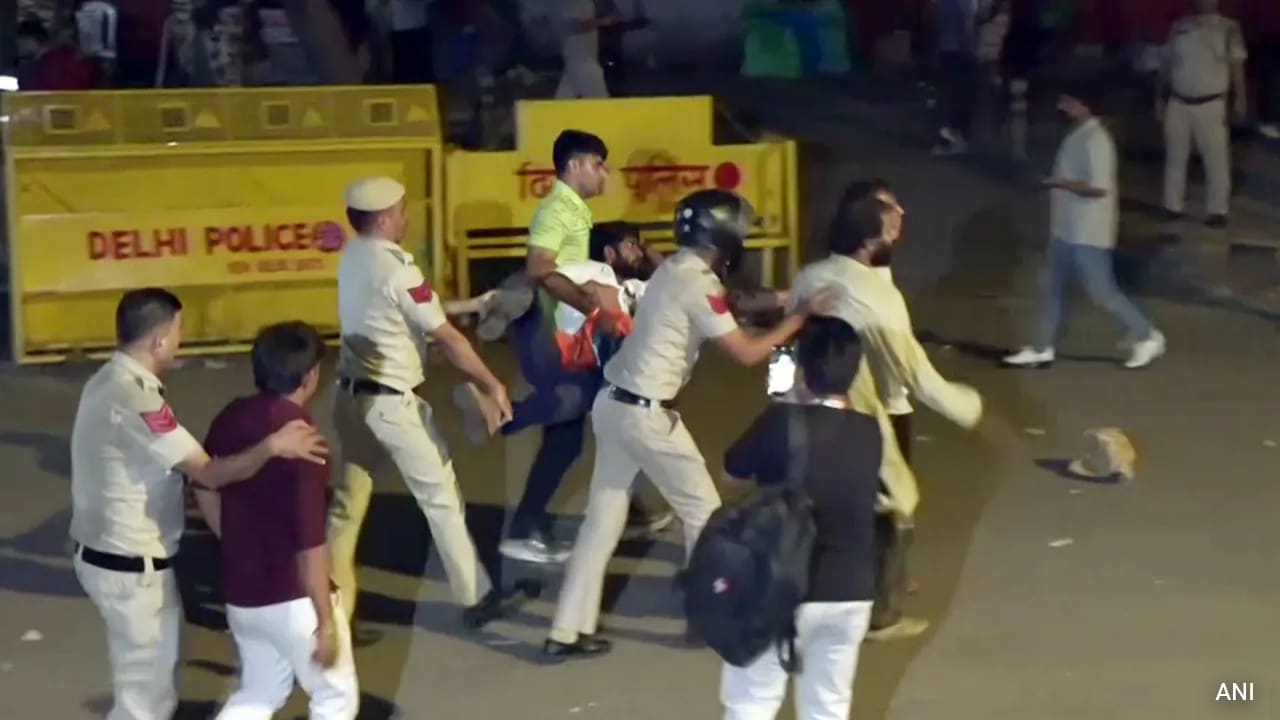
Addressing the supporters, Abhijit Dipke stated, "This is the first wicket. We won't stop here. This is just the beginning." He extended his gratitude to the students and volunteers who have been protesting at Jantar Mantar for the past 36 days. CJP spokesperson Ashutosh Ranka also hinted at upcoming strategic moves, promising that the protesters would reconvene very soon.
The critical question now facing the movement is its trajectory. Will CJP limit its agenda to examination reforms, or will it pivot toward larger systemic issues such as delayed government recruitments, job opportunities, and institutional accountability?
Why This Matters: BozokMedia Analysis
BozokMedia analysis shows that CJP represents a paradigm shift in Indian activism. Unlike traditional student unions, CJP lacks district committees or campus units. Instead, it leverages Instagram Reels, Telegram, and WhatsApp to mobilize the youth, using digital graphics and online crowdfunding to sustain its momentum.
"The resignation of Dharmendra Pradhan is a validation of digital-first activism, but the true test lies in whether this decentralized movement can transition into a long-term pressure group."
The movement now stands at a crossroads similar to the JP Movement or the Anna Hazare protests. While the tents at Jantar Mantar may eventually be removed, the core demands regarding the future of India's youth remain unresolved. The ability of a social-media-led movement to influence national policy over the long term remains to be seen.
Frequently Asked Questions
1. Why did Dharmendra Pradhan resign?
His resignation follows intense protests led by students and groups like CJP regarding the NEET-UG controversy and demands for educational reforms.
2. How is CJP different from other student organizations?
CJP is a decentralized movement that relies on social media and digital tools for mobilization rather than traditional hierarchical structures.