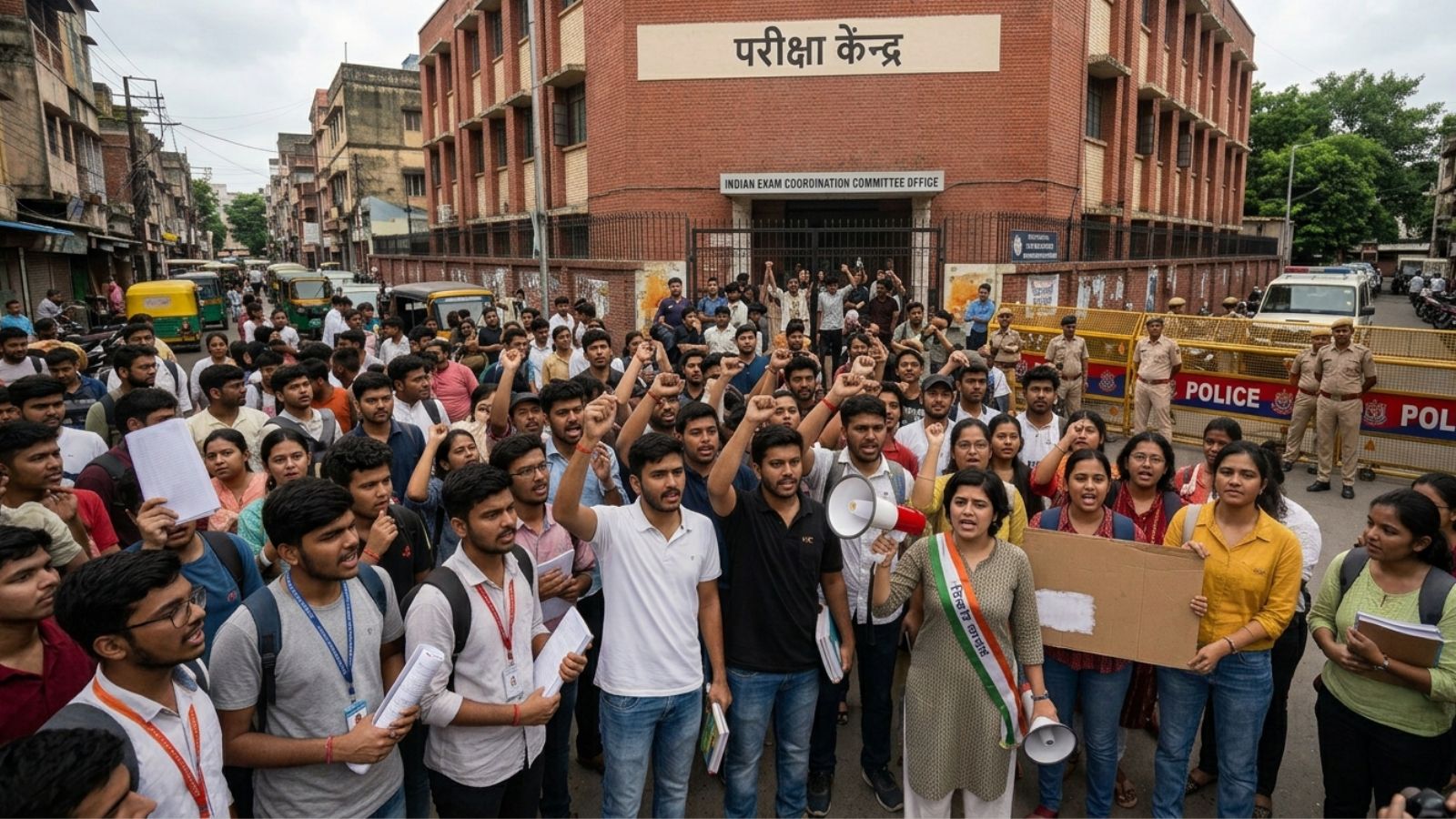
Tensions are peaking at Delhi's Jantar Mantar as police implement extreme barricading measures. CJP has accused the authorities of preventing essential supplies like food, water, and medicine from reaching protesters.
Key Takeaways
- Delhi Police has established an impenetrable blockade at Jantar Mantar using iron sheets and nails.
- CJP has leveled serious allegations against the police for blocking access to food, water, and medicine.
- Clashes involving stone-pelting and tear gas shells have been reported on the ground.
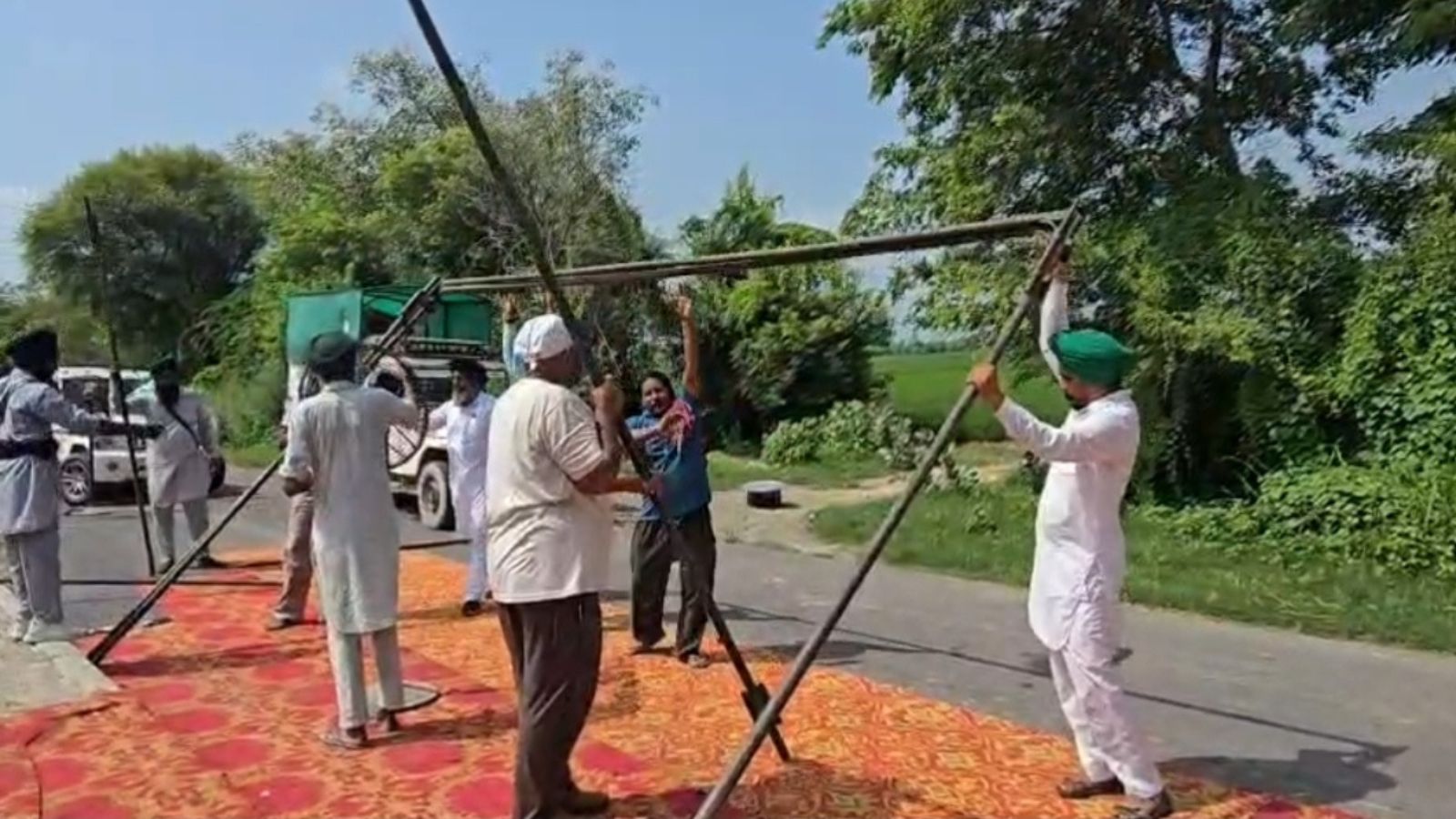
The situation at Jantar Mantar in the heart of the national capital has turned critical. In an unprecedented move, Delhi Police has fortified the area with iron sheets and nails to create an impenetrable barrier against protesters. This heavy-handed approach has significantly heightened the friction between the demonstrators and law enforcement.
Amidst this standoff, CJP has launched a scathing attack on the police administration. The organization alleges that the police are not only restricting the right to protest but are also actively preventing essential humanitarian supplies—including food, water, and life-saving medicines—from reaching the protesters on the ground.
Why This Matters
BozokMedia analysis shows that such extreme barricading tactics reflect a growing struggle between maintaining public order and upholding the fundamental democratic right to dissent. The denial of basic necessities to individuals in a protest zone raises significant questions regarding human rights and administrative ethics.
"The right to protest is a cornerstone of democracy, but blocking access to basic human necessities is a violation of fundamental dignity."
The situation further escalated following reports of stone-pelting, which prompted the Delhi Police to deploy tear gas shells and engage in lathi-charging to disperse the crowds. The involvement of students and a large youth demographic has added a new layer of intensity to the ongoing unrest.
Historical Background
For decades, Jantar Mantar has served as the primary epicenter for civil protests and democratic expression in India. It has been the stage for numerous movements that have shaped national policy and challenged government decisions.
Frequently Asked Questions
Q1: What is the current status at Jantar Mantar?
A: There is heavy police presence with extreme barricading measures in place to prevent movement.
Q2: What are the specific allegations made by CJP?
A: CJP alleges that the police are preventing protesters from accessing basic necessities like food, water, and medicine.