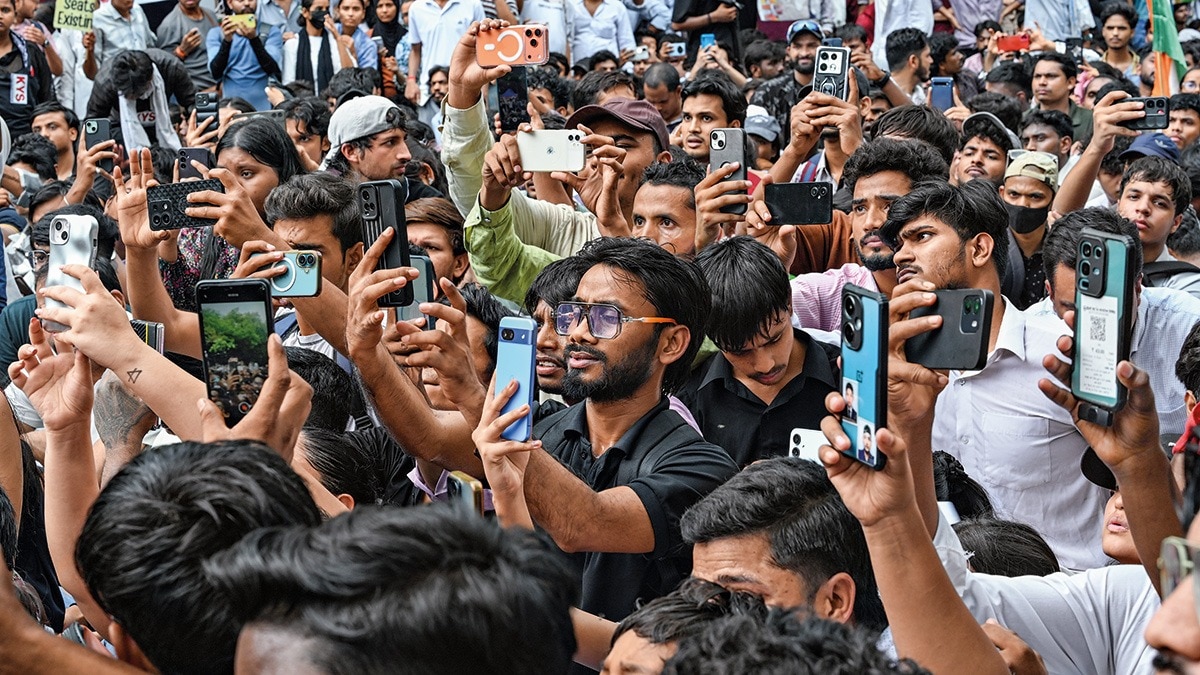
A massive wave of protesters has descended upon Jantar Mantar, creating a sensory overload of slogans, struggle, and intense human emotion. This report explores the raw reality of the ongoing demonstrations.
Key Takeaways
- Jantar Mantar is witnessing a massive surge in public protests.
- The atmosphere is characterized by intense sensory experiences and human struggle.
- Protesters are increasingly using digital tools to document and amplify their cause.
The atmosphere at Jantar Mantar is unlike anything else in the capital. Before the slogans erupt or the stages are set, there is a sensory onslaught. It is the smell of sweat under rain-dampened T-shirts, the scent of food left in the afternoon sun, and the sharp antiseptic odor of disinfectant sprayed on the ground.
As the crowd swells, a sea of mobile phones rises toward the stages, capturing every moment. This digital documentation has become a staple of modern-day activism, turning every protester into a potential journalist and every grievance into a viral moment.
Why This Matters
BozokMedia analysis shows that Jantar Mantar serves as more than just a physical space; it is a barometer for the nation's socio-political pulse. The scale and intensity of these protests reflect the underlying tensions within the current social fabric of India.
The sensory intensity at Jantar Mantar is a direct reflection of the visceral nature of the grievances being voiced.
Despite the harsh conditions—wet cardboard, heat, and the lack of basic amenities—the resolve of the demonstrators remains unshaken. The sights and sounds of the protest create a chaotic yet purposeful environment that demands national attention.
Historical Background
For decades, Jantar Mantar has been the epicenter of civil disobedience and peaceful protest in India. From major political shifts to grassroots social movements, this site has consistently acted as a stage for the voices of the unheard to challenge the establishment.
Frequently Asked Questions
Question 1: Why is Jantar Mantar a popular site for protests?
Answer: Its central location in Delhi makes it highly visible to the government and the media.
Question 2: How do protesters document their movements?
Answer: Modern protesters rely heavily on smartphones and social media to broadcast their message in real-time.


