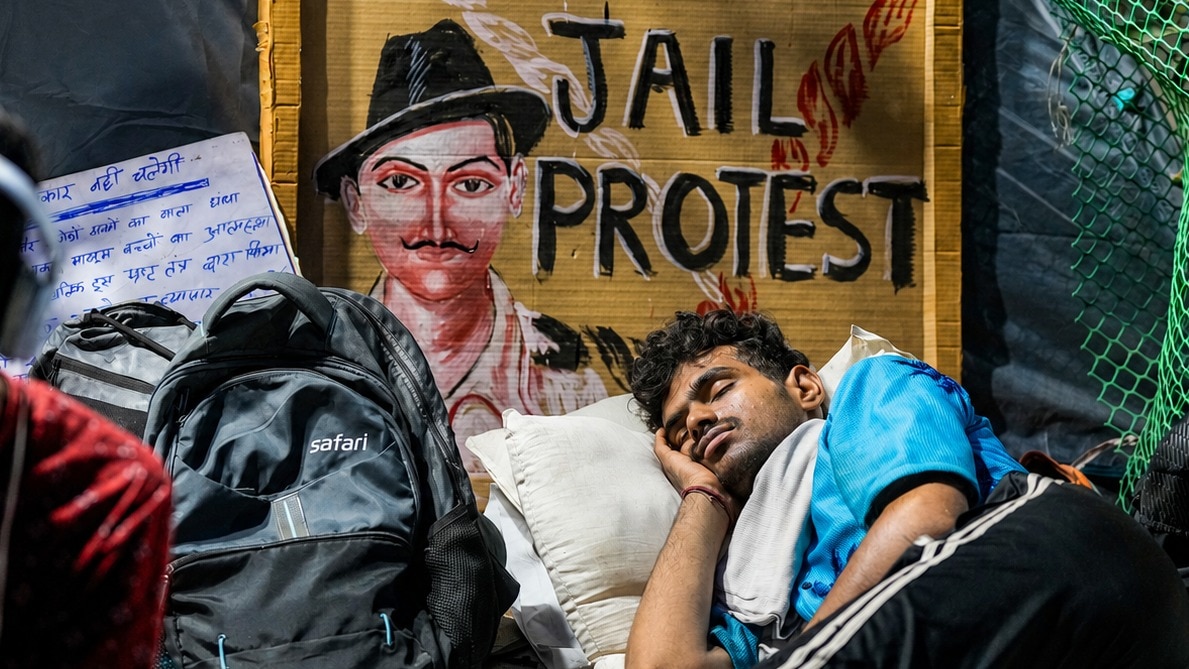
While the internet celebrated the witty memes of the CJP protest, the reality on the ground was a grueling struggle for basic survival, hygiene, and endurance.
Key Takeaways
- The Jantar Mantar protests were defined by physical endurance, not just digital virality.
- The Cockroach Janta Party (CJP) movement eventually led to the resignation of Education Minister Dharmendra Pradhan.
- Volunteers and students faced extreme hardships, including lack of hygiene and sleeping on pavements.
The internet remembers the Jantar Mantar protests through a lens of satire, Gen Z humor, and viral reels. However, beneath the layers of witty placards and spontaneous dancing lay a much harsher reality. Behind every viral moment was a story of aching bodies, damp bedsheets, and the relentless struggle to survive the elements.
The Duality of Protest: Satire vs. Suffering
While the Cockroach Janta Party (CJP) used humor to capture the nation's attention, the movement was sustained by those who endured the discomfort of Delhi's unforgiving July heat and monsoon nights. Protesters lived out of backpacks, washed themselves at public taps, and fought for space on concrete pavements to sleep. The memes brought the movement to screens, but the sweat and exhaustion kept it on the streets.
Why This Matters
BozokMedia analysis shows that while social media acts as a powerful amplifier for modern movements, the true 'staying power' of a protest is rooted in human resilience and the quiet sacrifices of invisible volunteers who manage logistics, food, and water.
Memes may amplify a movement's reach, but it is the quiet resilience of ordinary people that provides its staying power.
For many, especially women, the protest presented significant health challenges. The lack of hygienic public toilets posed constant risks of infections, yet the determination to demand accountability for the NEET-UG 2026 paper leak outweighed these physical hardships.
Historical Background
Jantar Mantar has long served as India's premier site for democratic expression. From anti-corruption rallies to educational reforms, it remains a symbolic battleground where citizens converge to hold the government accountable.
Frequently Asked Questions
Question 1: What was the primary demand of the CJP protesters?
Answer: They demanded the resignation of Union Education Minister Dharmendra Pradhan over the NEET-UG 2026 paper leak.
Question 2: Did the protest achieve its goal?
Answer: Yes, the sustained pressure eventually led to the resignation of Dharmendra Pradhan on July 25.