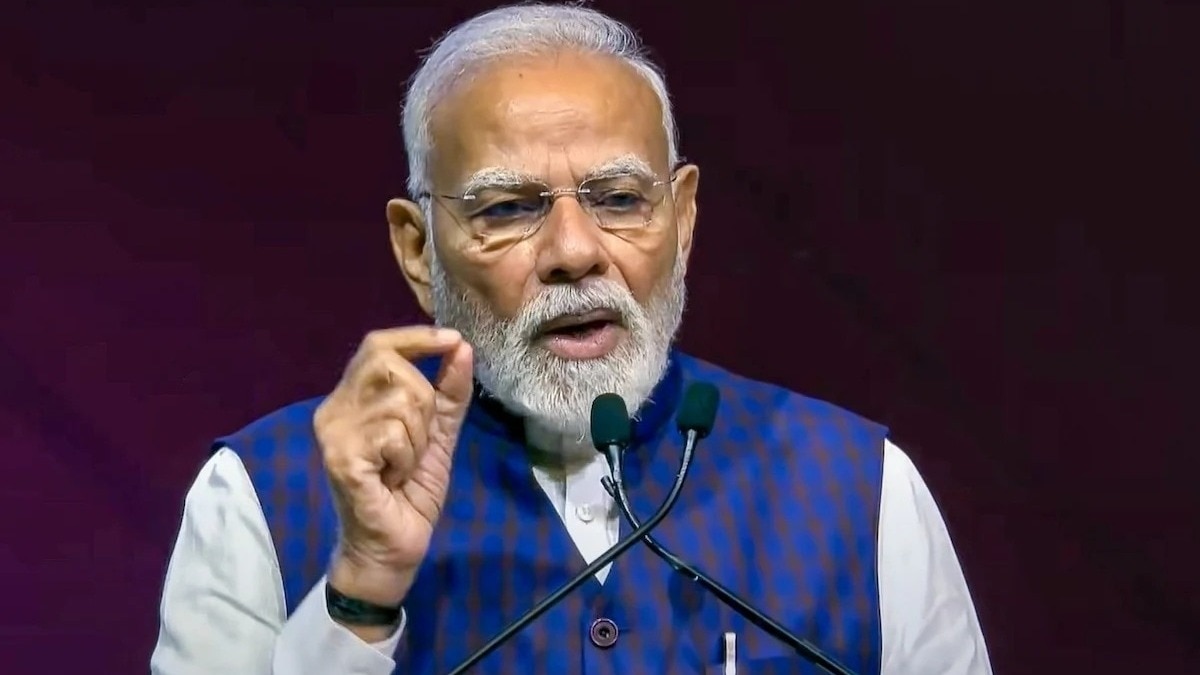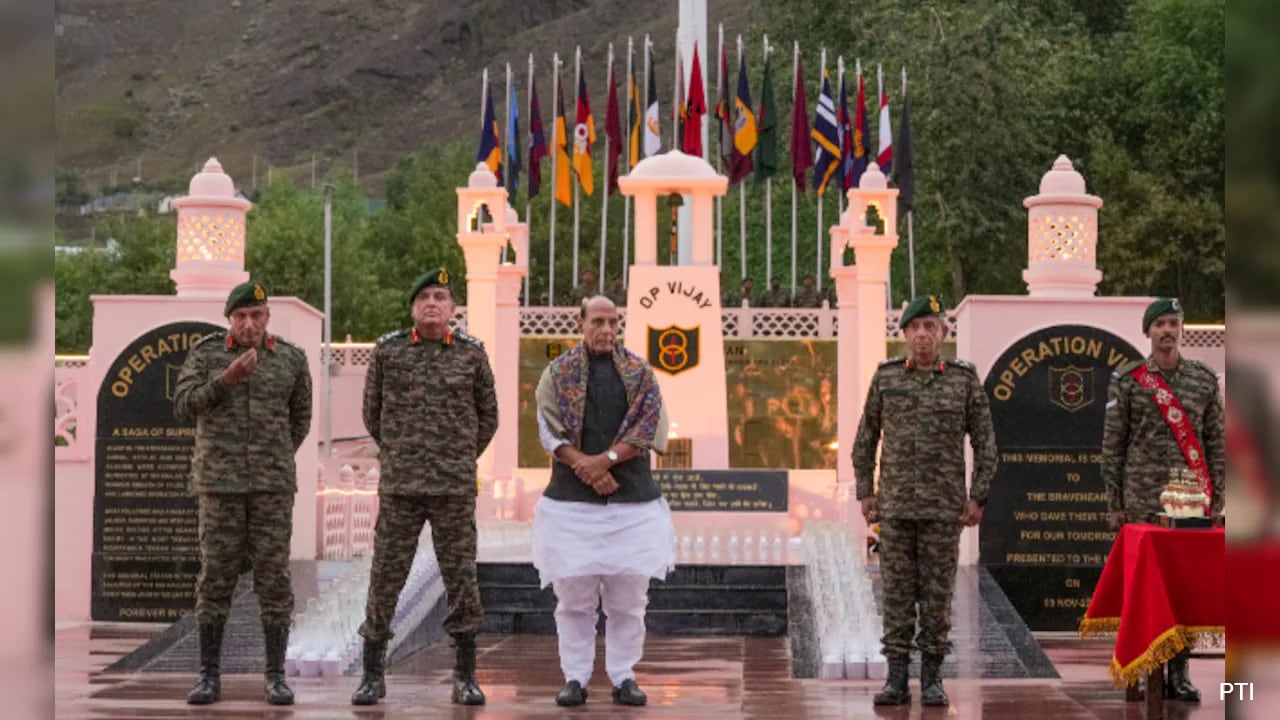
On the occasion of Kargil Vijay Diwas, Defense Minister Rajnath Singh and the Army Chief honored the martyrs of the 1999 war. The 'Shradhanjali Samaroh' celebrated the indomitable spirit of India's soldiers.
Key Takeaways
- Defense Minister Rajnath Singh attended the 'Shradhanjali Samaroh' as the chief guest.
- The event commemorated the valor of Indian soldiers during the 1999 Kargil War.
- The Army Chief joined in paying heartfelt tributes to the fallen heroes.
India marks the glorious occasion of Kargil Vijay Diwas with immense pride and solemnity. Defense Minister Rajnath Singh, serving as the chief guest at the 'Shradhanjali Samaroh', joined the Army Chief to pay homage to the brave soldiers who made the ultimate sacrifice for the nation. The ceremony was a poignant reminder of the courage displayed on the front lines.
The occasion celebrates the monumental victory in 1999, a time when Indian soldiers braved snow-clad peaks and relentless firing from Pakistani troops to reclaim the strategic heights of Kargil. Their resilience in the face of extreme weather and tactical challenges remains a cornerstone of Indian military pride.
Why This Matters
BozokMedia analysis shows that observing Vijay Diwas serves a dual purpose: it solidifies national identity and reinforces the psychological strength of the armed forces. It is a day that bridges the gap between the civilian population and the guardians of the border.
The victory at Kargil stands as a testament to the unparalleled grit and tactical superiority of the Indian Armed Forces.
Historical Background
The Kargil War broke out in May 1999 when infiltrators crossed the Line of Control (LoC) to occupy high-altitude Indian positions. Through Operation Vijay, the Indian Army undertook one of the most difficult mountain warfare operations in history to push back the intruders and secure the borders.
Frequently Asked Questions
Question 1: What is the significance of Kargil Vijay Diwas?
Answer: It commemorates India's victory over Pakistan in the 1999 Kargil War.
Question 2: Who led the Indian military operations during the war?
Answer: The operations were led by the Indian Army under the code name 'Operation Vijay'.