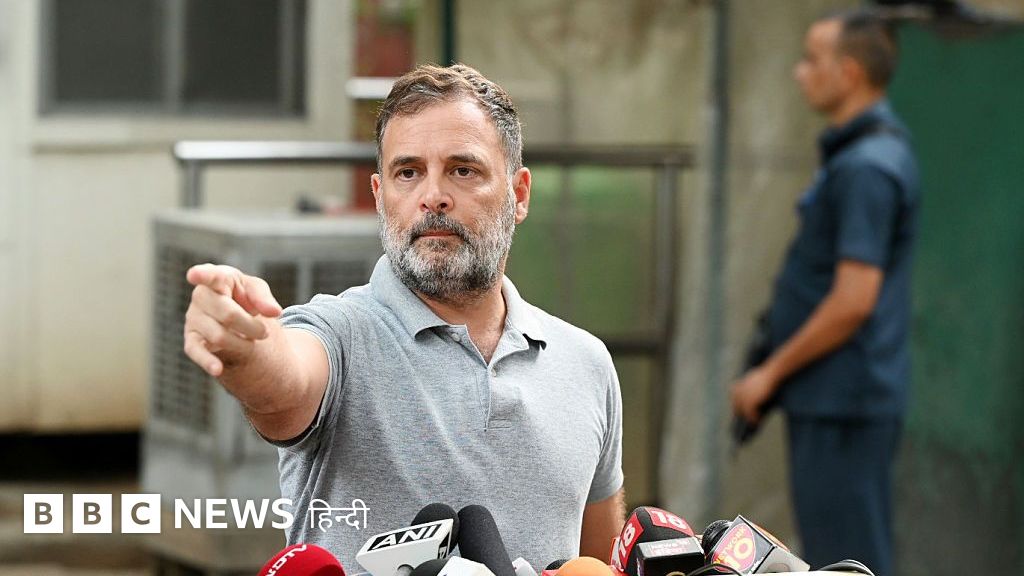
A nationwide student movement and the resignation of Education Minister Dharmendra Prasad have given the opposition a fresh rallying point. Analysts argue that Congress could reap political benefits from the turmoil.
Key Takeaways
- The BJP-led protest has united opposition parties under a common banner
- Education minister's resignation forced the government into damage control
- Analysts predict a potential vote‑bank boost for Congress
Event Overview
On July 25, central Education Minister Dharmendra Prasad resigned amid student protests, a decision promptly accepted by the President. Opposition leader Rahul Gandhi framed the resignation as a victory for students and demanded action against security forces that used lathi‑charge.
Since early July, the monsoon session of Parliament has seen aggressive opposition demands, focusing on Prasad’s resignation and the NEET paper‑leak scandal, leading to multiple session adjournments.
Historical Background
Large‑scale movements in India have historically handed advantages to opposition parties—examples include the 1970s Anna movement and the 2020‑21 farmers’ protests. While government images suffered, opposition parties often captured increased voter attention.
Analysts' Perspectives
Political analyst Hemant Atri believes the biggest impact is the opposition’s newfound unity rather than mere strength. “It’s a pan‑India movement that gave dissenting voices a national stage,” he said.
Another commentator, Aadesh Rawal, notes, “History shows that big public movements usually benefit the opposition, and this time Congress stands to gain the most.”
Why This Matters
BozokMedia analysis shows that the convergence of regional opposition parties under a single narrative could reshape the 2026 electoral landscape, forcing the ruling BJP to recalibrate its youth‑engagement strategy.
“Youth concerns now extend beyond education to jobs and social justice,” says political scientist Prof. Subhash Chandra.
Frequently Asked Questions
Question 1: Has the protest damaged Narendra Modi’s personal image?
Answer: Experts say it is the most significant personal image hit in the last five years, though long‑term effects remain uncertain.
Question 2: How can Congress leverage this momentum for its electoral strategy?
Answer: By energising the youth vote, elevating local grievances to the national agenda, and solidifying cohesion within the opposition alliance.